
sycrone: “What fans will respect the most is if we play good Counter-Strike”

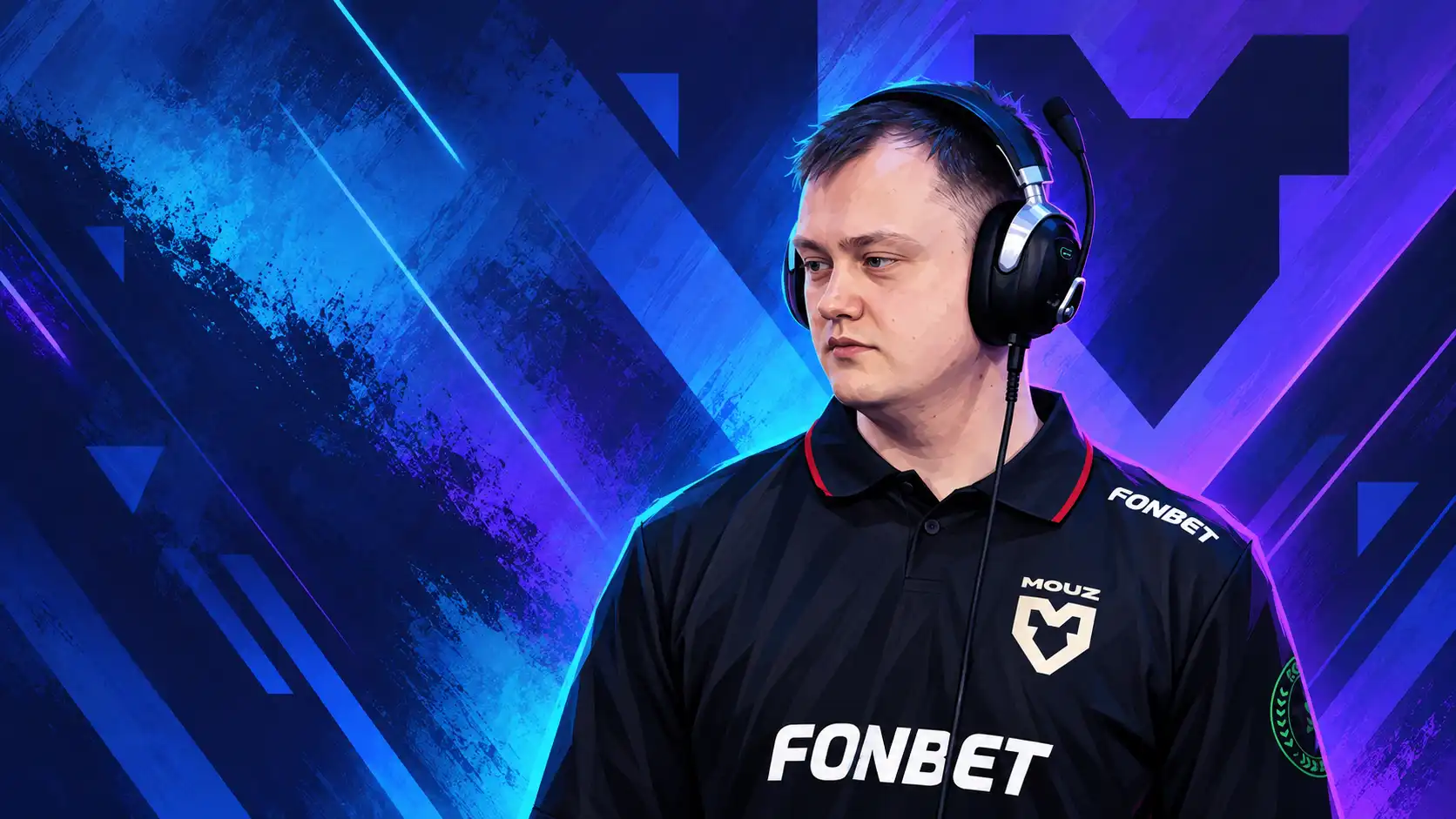
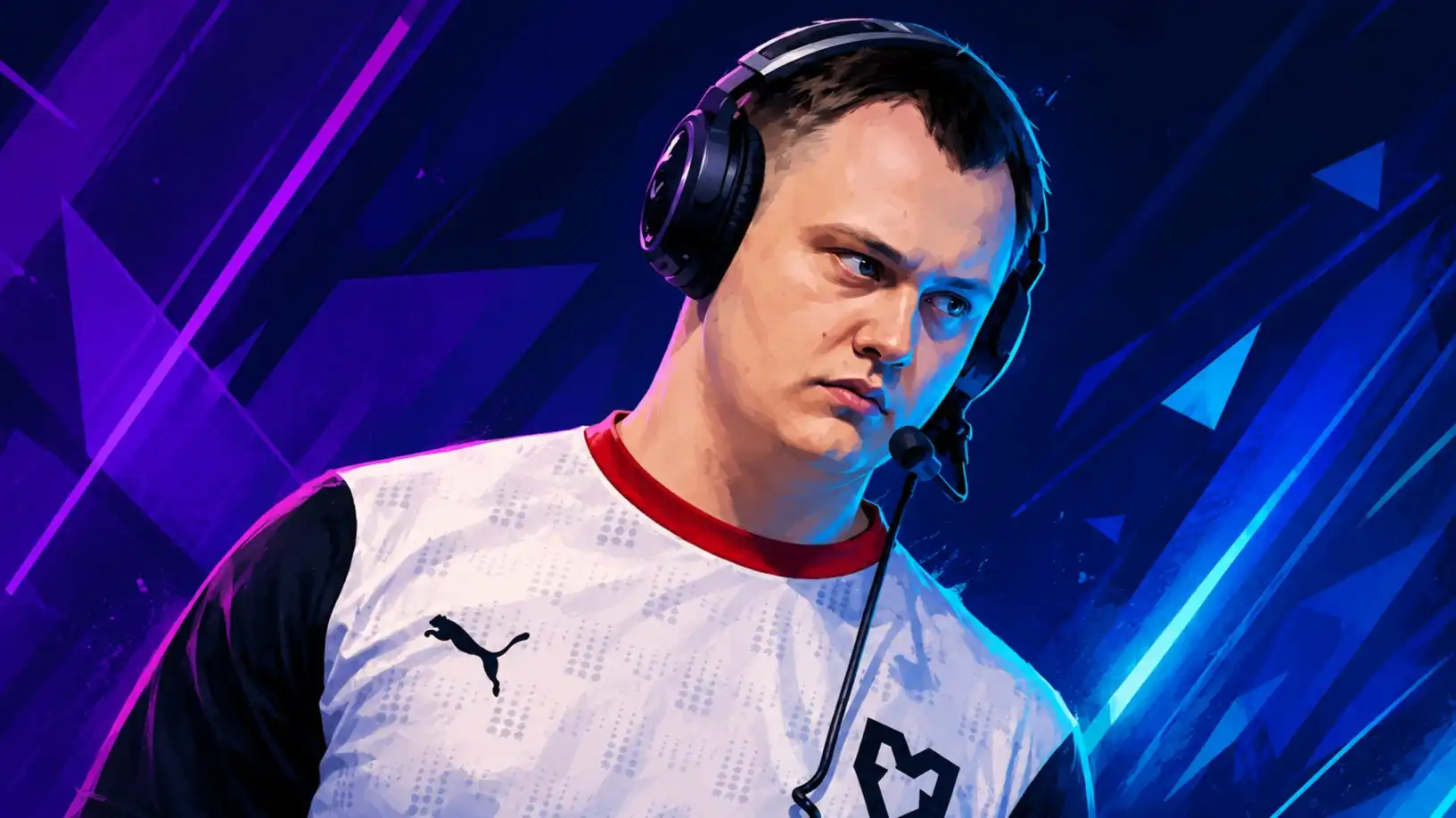
MOUZ coach Dennis “sycrone” Nielsen believes results—not manufactured showmanship—are the only sustainable answer to the criticism surrounding his team.
Speaking after MOUZ recovered from a map down to eliminate Natus Vincere at StarLadder StarSeries Fall 2026, the Danish coach addressed the team’s public image, Ádám “torzsi” Torzsás’ recent struggles and the work required to integrate Adrian “xelex” Vincze and Oldřich “PR” Nový.
MOUZ arrived in Barcelona as the world’s No. 3 team but were immediately pushed into the lower bracket by a 2-1 defeat to No. 50 NRG. Their response against NAVI was imperfect but effective: after losing Cache 10-13, they took Inferno 13-10 and controlled Mirage 13-8 to remain in contention at the $500,000 event.
For sycrone, the win offered more than temporary relief. It provided another test of a rebuilt lineup that is trying to redistribute leadership, aggression and emotional responsibility across five players.
MOUZ recover after another difficult Cache
NAVI’s surprise Cache selection presented MOUZ with a problem they had not fully prepared to solve. It was NAVI’s first official appearance on the map since its return to the pool, leaving sycrone’s staff with limited material to study.
MOUZ began well on the CT side and built a 9-3 advantage, but their attack collapsed after the break. They produced only 14 kills and won one opening duel during a 1-11 T-side sequence, allowing NAVI to steal the map 13-10.
Sycrone accepted some responsibility for the preparation. With NAVI finishing late the previous evening and MOUZ having limited time before the elimination match, the coach prioritized other areas instead of conducting a detailed review of the Cache defeat to NRG.
The tactical problem was clear. NAVI repeatedly organized mid-round fights around Mihai “iM” Ivan and Drin “makazze” Shaqiri, while MOUZ struggled to establish middle control or disguise their site attacks. According to sycrone, his side alternated between forcing engagements and reacting too slowly once NAVI had removed their supporting fakes.
That remains part of the uncertainty surrounding the reintroduced map. CT teams have several proactive options—mid setups, door pushes and pressure through A Main or B Lobby—while T sides are still searching for reliable ways to control the pace.
MOUZ have now lost Cache twice in Barcelona, 11-13 against NRG and 10-13 against NAVI. The sample is small, but the recurring difficulty is significant: both opponents found ways to disrupt MOUZ’s offensive structure.
Spinx changes the direction of Inferno
MOUZ’s recovery began with a 7-0 T-side start on Inferno, but the most important moment came after NAVI threatened to take over the second half.
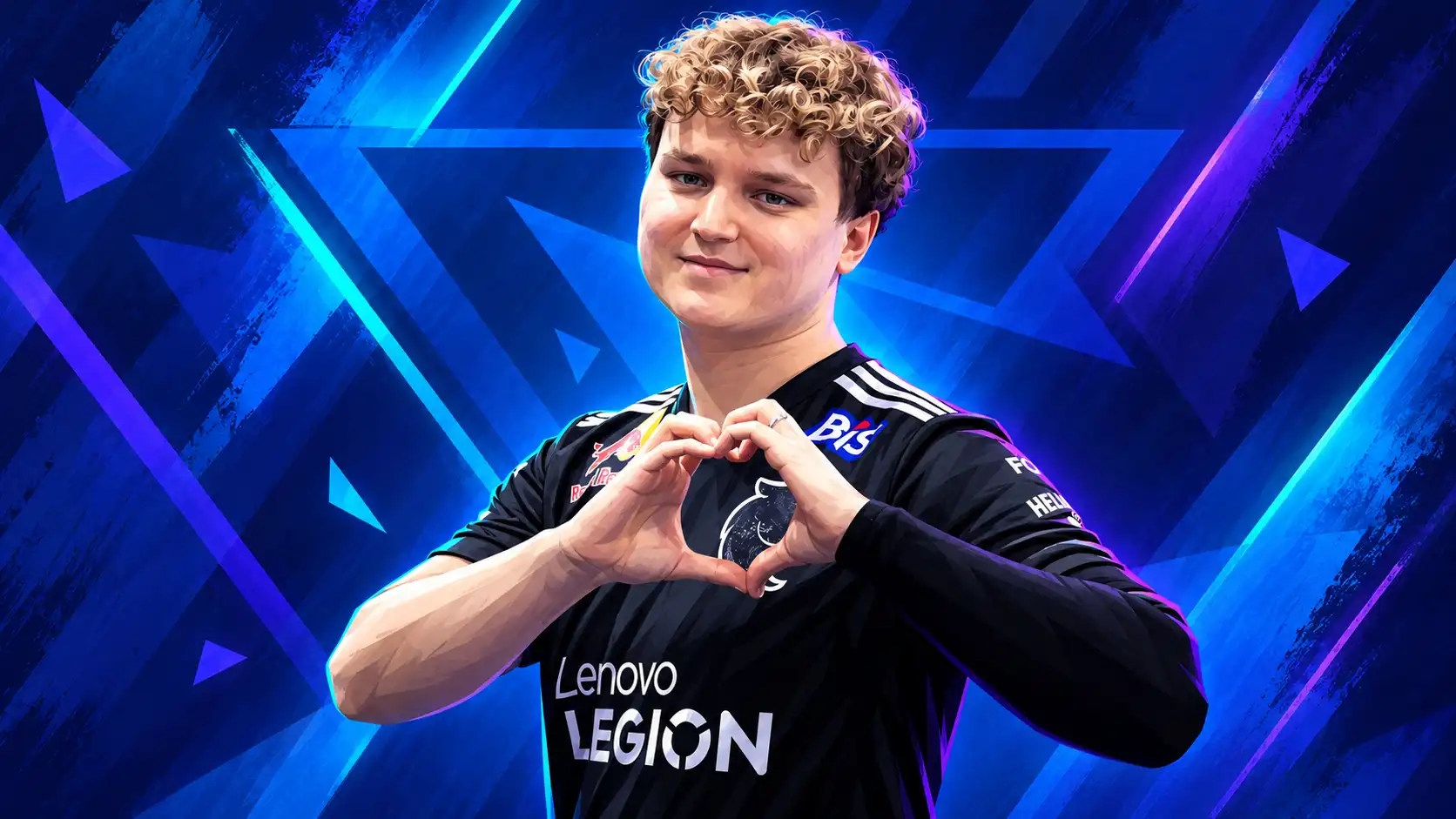
Lotan “Spinx” Giladi stopped that momentum with a triple kill from the A site. Sycrone highlighted the Israeli rifler’s timing and positional awareness, explaining that MOUZ had deliberately created a game plan that would involve him more directly in the early fights.
Spinx also made an important contribution late in the first half by committing to the second wave of a B attack and finding two kills from car. Those rounds illustrated why MOUZ continue to trust him with significant mid-round responsibility: he does not need constant aggression to influence a map, but he recognizes when a passive position must become an active one.
MOUZ closed Inferno 13-10 and then carried the momentum into Mirage, where a 10-2 opening half put NAVI under immediate elimination pressure.
The final statistics showed a collective rather than star-driven win. Dorian “xertioN” Berman led MOUZ with a 1.13 rating and 79.9 ADR, while PR recorded a team-best 74.6% KAST. Spinx finished at 1.08 and xelex at 1.05. Torzsi was the only MOUZ player below a 1.00 rating, ending the series with a 0.82.
xelex and PR are learning different responsibilities
The arrival of xelex and PR has forced MOUZ to reconsider how the team creates space.
Sycrone described both young players as curious, receptive to criticism and willing to ask questions—qualities he considers essential during their transition from less structured competition into a tier-one system.
The work with xelex has focused on building a deeper individual playbook. He has inherited several positions previously occupied by xertioN, including map-control roles that opponents are likely to target during preparation. That requires more than mechanical confidence: xelex must vary his timings, anticipate anti-strats and communicate more consistently.
His start in Barcelona has nevertheless been encouraging. The 18-year-old recorded a 1.27 rating against NRG, tying xertioN for MOUZ’s best mark in the series, before adding a 1.05 against NAVI. Across six maps, he has produced 97 kills against 84 deaths.
PR’s adaptation has been less linear. He initially appeared suited to early-round entry duties, but MOUZ have also used him in later positions where he can influence clutches. His 0.82 rating against NRG reflected a difficult debut at the event, yet he responded with 47 kills, a plus-five K-D difference and a 1.09 rating against NAVI.
The limited practice time between tournaments has complicated that process. MOUZ have spent much of the season travelling, leaving sycrone and his players to adjust roles during short practice windows.
For now, xertioN remains the more dependable aggressive option when MOUZ need someone to propel an attack forward. His experience allows him to absorb some of the responsibility while PR develops greater confidence within the system.
xertioN’s leadership gives torzsi room to reset
MOUZ’s structural changes extend beyond the two newcomers. XertioN has taken over the in-game leadership, giving the team a more vocal captain and changing the way torzsi is managed inside the server.
Sycrone explained that the Hungarian AWPer has carried much of MOUZ’s emotional energy for almost five years. Long tournament runs without the reward of a title eventually took their toll, and the coach believes torzsi suffered from burnout toward the end of the previous season.
That context matters when examining his current numbers. Torzsi has averaged a 1.13 rating across 44 maps over the past three months, with 0.73 kills and 0.56 deaths per round. In Barcelona, however, he has opened with ratings of 0.98 against NRG and 0.82 against NAVI.
The decline is not being treated solely as an in-game problem. MOUZ have involved their sports psychologist, while xertioN’s more detailed mid-round communication is intended to remove some of the burden from the AWPer.
Rather than constructing the system entirely around torzsi, MOUZ want the responsibility distributed across the lineup. That approach may prevent him from producing the same volume as AWPers who receive a larger share of their team’s resources, but sycrone remains convinced that he is a world-class player.
The target is longer-term: MOUZ want torzsi back at his best before the end-of-year Major.
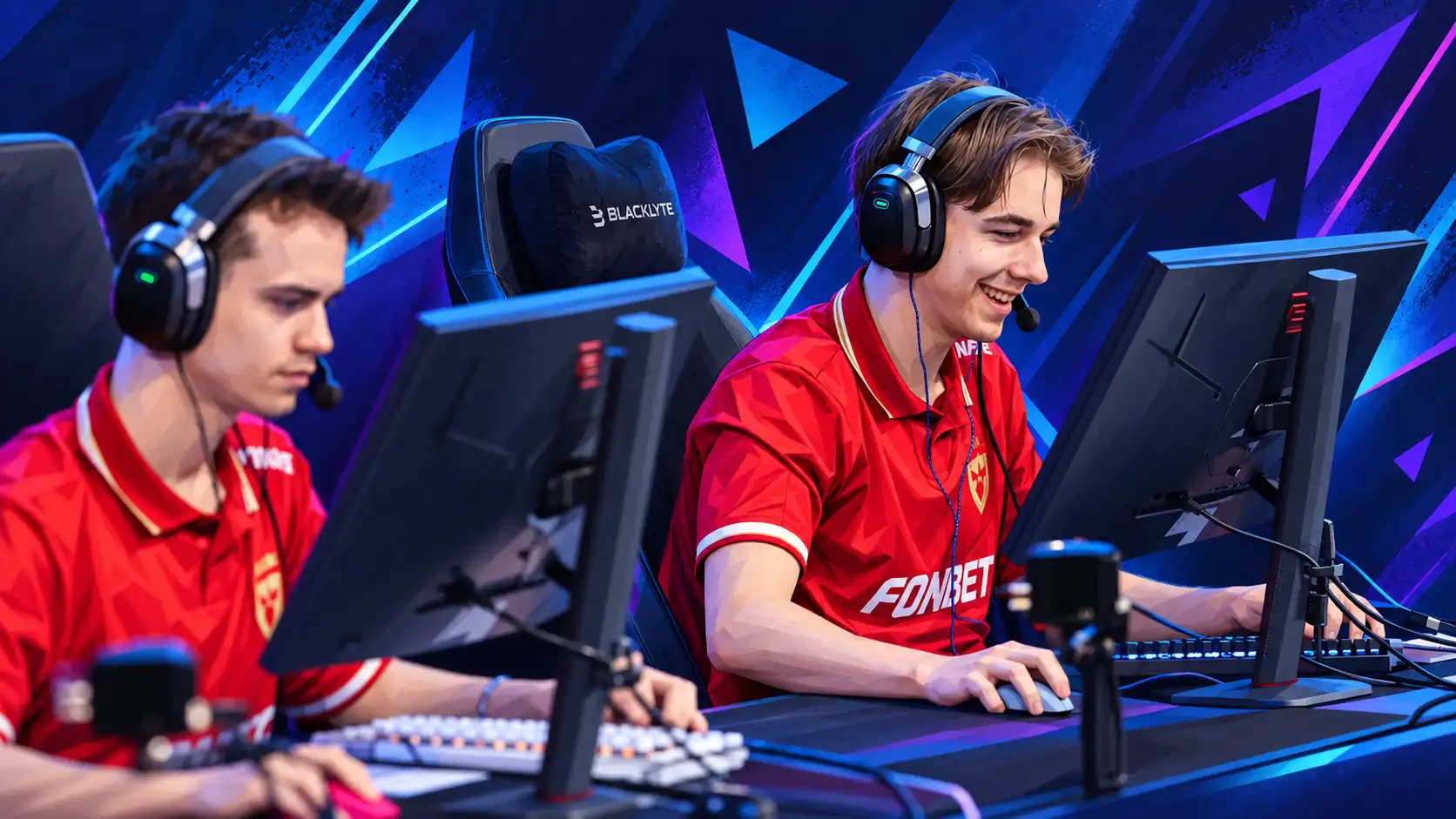
Strong results have not completely changed the conversation
MOUZ’s recent form explains both sycrone’s confidence and his frustration.
Before the StarSeries defeat to NRG, the team had reached the BLAST Open Porto 2026 grand final. Their run included victories over Falcons and Vitality—the latter a 2-0—before a 3-1 loss to Spirit denied them the trophy.
Across their last six series, MOUZ have recorded four wins and two losses:
| Opponent | Result | Context |
|---|---|---|
| NAVI | 2-1 W | StarSeries Fall lower bracket |
| NRG | 1-2 L | StarSeries Fall opening round |
| Spirit | 1-3 L | BLAST Open Porto grand final |
| Vitality | 2-0 W | BLAST Open Porto |
| Falcons | 2-1 W | BLAST Open Porto |
| Inner Circle | 2-0 W | BLAST Open Porto |
That run shows MOUZ can beat elite opposition, but it also reinforces their unresolved problem: deep tournament appearances have not consistently become trophies.
The reaction from some audiences has added another layer of pressure. Sycrone acknowledged that players naturally want recognition after investing years in competition and that being booed can be difficult to absorb. He does not believe MOUZ can fix that perception by forcing personalities or celebrations that do not come naturally.
XertioN’s promotion to captain has given the team a more outspoken presence, while Spinx and the other players have begun showing more emotion during recent matches. Still, sycrone’s argument is that personality cannot substitute for winning when the stakes are highest.
MOUZ’s route through Barcelona now remains unforgiving. Having already used their second life in the double-elimination bracket, they must win every remaining series to reach the best-of-five grand final. Their victory over NAVI kept that possibility alive, but the uneven performance—and especially their second consecutive Cache loss—showed how much work remains.
The clearest way to change the discussion around MOUZ is also the hardest: survive the lower bracket, beat the teams they are expected to challenge and finally turn another deep run into a trophy.
Related News