
Wicadia: “Our head-to-head is not the best against NAVI, so we’re really relieved and happy”

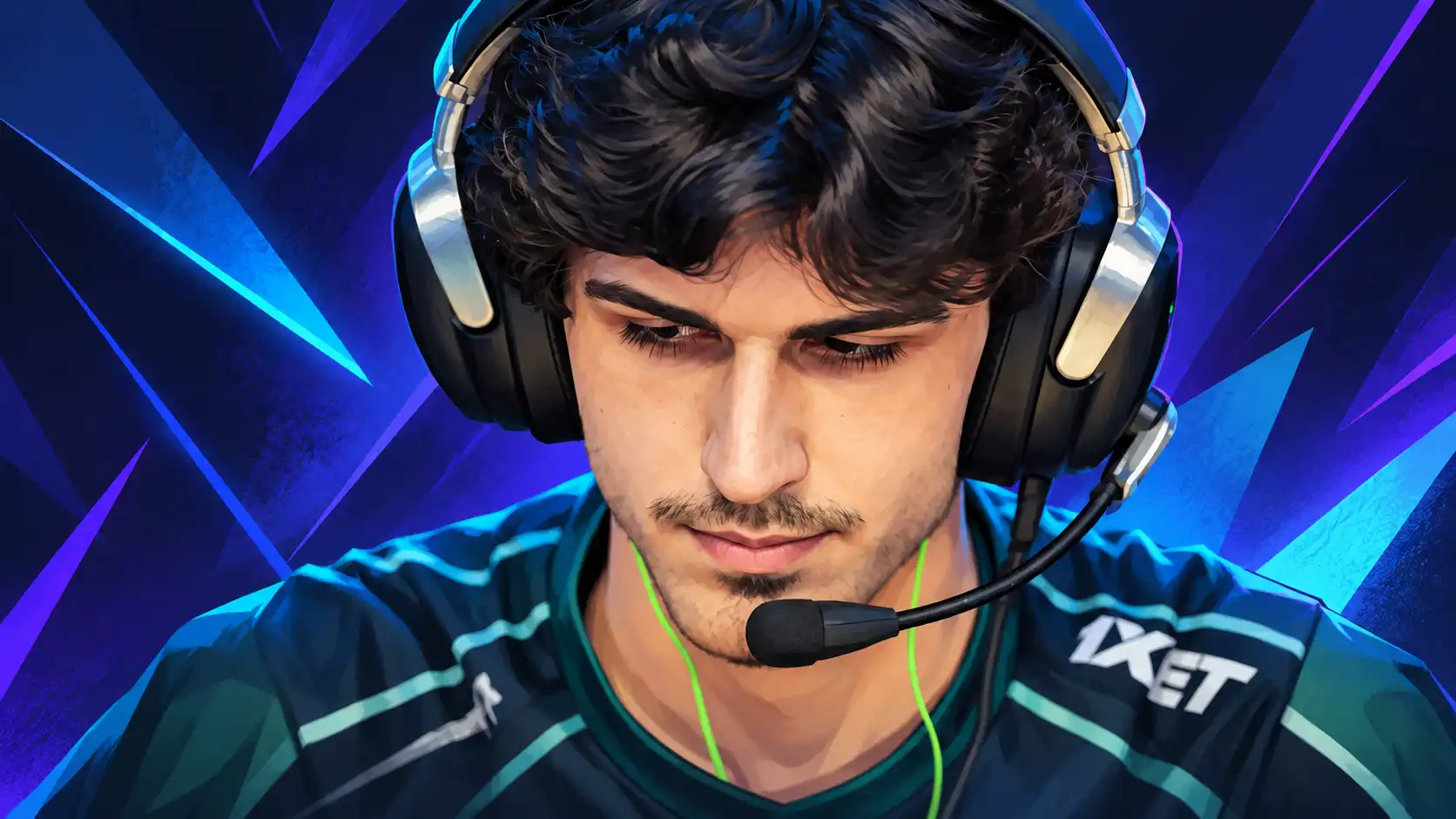
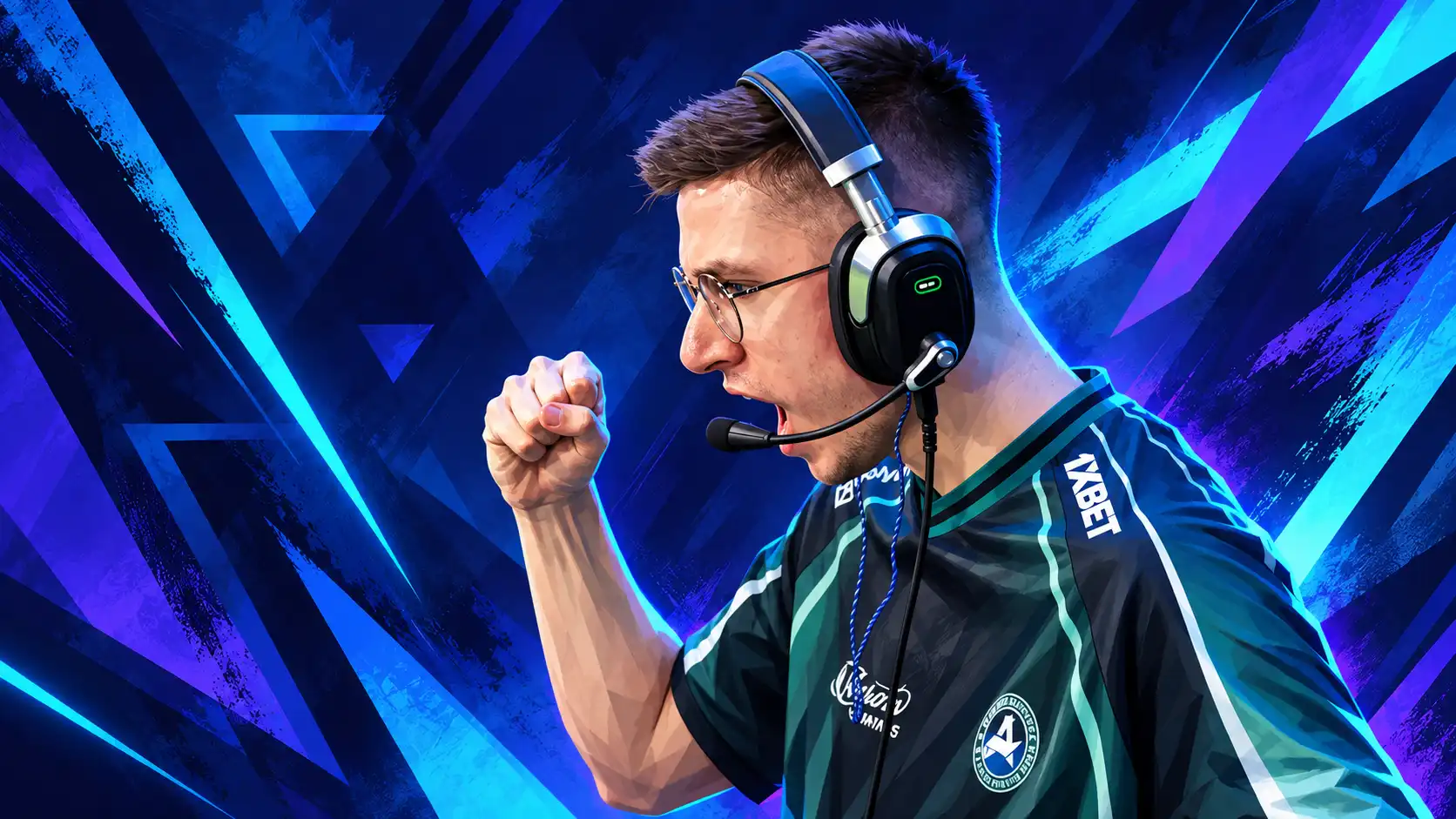
Aurora’s opening victory at StarLadder StarSeries Fall 2026 carried more weight than a routine upper-bracket win. For Ali “Wicadia” Haydar Yalçın, beating Natus Vincere also removed a familiar obstacle that had repeatedly stopped the Turkish core in high-pressure matches.
Aurora defeated NAVI 2-0 in Barcelona, recovering from a slow start on Nuke to win 13-8 before controlling Mirage 13-7. The result moved Damjan “kyxsan” Stoilkovski’s team into an upper-bracket semifinal against NRG and delivered the first notable victory for Aurora’s international lineup.
“Our head-to-head is not the best against NAVI, so we’re really relieved and happy,” Wicadia told HLTV after the match.
The relief was understandable. Before the Barcelona meeting, NAVI had beaten Aurora’s Turkish core four times during 2026, including several matches with greater playoff or tournament significance. This time, Aurora handled the decisive moments better and won without requiring the third map.
A victory built on a stronger second half
Aurora did not begin the series in control. NAVI led 7-5 after their CT side on Nuke, Aurora’s map pick, leaving kyxsan’s team with little margin for error.
The response was emphatic. Aurora conceded only one round after the side switch, producing an 8-1 CT half to close the map 13-8. Wicadia was central to the turnaround, finishing Nuke with 21 kills against 12 deaths, 104.3 ADR, an 85.7% KAST and a 1.50 rating.
Mirage followed a different pattern. Aurora established a 9-3 advantage on the T side of NAVI’s pick and prevented their opponents from creating a meaningful comeback, taking four of the next eight rounds to complete the sweep.
Wicadia’s individual output fell sharply on the second map — he recorded six kills and a 0.53 rating — but Aurora did not depend on one player to finish the series. Jimpphat led the team overall with a 1.44 rating and 38-23 K-D, while kyxsan added a 1.32 rating. That distribution of impact was significant for a lineup still attempting to define its hierarchy and responsibilities.
Across both maps, Wicadia ended with 27 kills, 26 deaths, 73.3 ADR and a 1.04 rating. The series was therefore less an individual showcase than evidence that Aurora could absorb an uneven map from one of their aggressive riflers and still beat a top-ten opponent convincingly.
Aurora are still learning to play in English
Aurora moved away from their long-standing Turkish structure in July, replacing Engin “MAJ3R” Küpeli and Caner “soulfly” Kesici with kyxsan and Jimi “Jimpphat” Salo. British coach Ashley “ash” Battye also arrived as part of the rebuild.
The changes left XANTARES, woxic and Wicadia as the remaining Turkish core but transformed the team’s working language and leadership structure. Kyxsan became the in-game leader, while Jimpphat added a more passive and positionally disciplined rifling presence.
Wicadia stressed that the problem is not the players’ basic command of English. The difficulty comes when Aurora must communicate instinctively during chaotic mid-round situations. After spending four years in Turkish-speaking teams, he is adapting to processing and delivering information in a second language while decisions must be made immediately.
That distinction matters. Set strategies and prepared protocols can be rehearsed, but unplanned mid-round situations depend on speed, precision and shared terminology. Even a short hesitation can disrupt spacing, trading or utility timing.
The rebuild is still young. Kyxsan and Jimpphat had played just 33 maps for Aurora before the tournament, while the team had been together for a little over two months. Wicadia’s argument that the roster needs time is therefore supported by the limited sample available since the changes.
Strong maps, inconsistent finishes
Aurora’s results with the new lineup have offered evidence both for Wicadia’s optimism and his caution.
Before beating NAVI, Aurora had won three of their previous five series. They defeated DENDELE and M80 without dropping a map at BLAST Open Porto, but lost twice to G2 at the same tournament — first 0-2 in the group opener and then 1-2 in the lower-bracket final. The latter defeat was particularly frustrating: Aurora won Anubis and pushed Inferno into overtime before collapsing 1-13 on the deciding Mirage.
They had experienced another narrow elimination at the Esports World Cup, losing 1-2 to FURIA after previously recording 2-0 victories over M80 and JiJieHao.
Those results explain Wicadia’s emphasis on closing matches. Aurora had already shown that they could compete with established opposition, but their strongest stretches had not consistently translated into deep tournament runs.
Their broader map numbers nevertheless point to a workable foundation. Over the preceding three months, Aurora held an 85.7% win rate on Nuke, winning six of seven appearances. Their victory against NAVI strengthened the status of that map as one of the lineup’s most reliable options.
Mirage was more volatile. Aurora had won five of eight appearances during the same period, but that sample included both the controlled victory over NAVI and the 1-13 defeat against G2. The contrast supports the idea that Aurora’s ceiling is high while their floor remains unstable.
Wicadia’s form reflects the team’s inconsistency
The 21-year-old entered StarSeries Fall with a 1.08 rating across 37 maps over the previous three months, averaging 0.73 kills and 0.68 deaths per round. Those are respectable figures for an aggressive rifler, but they also show that he has not yet consistently reproduced his best form within Aurora’s new structure.
His recent performances have fluctuated with the team. In the lower-bracket loss to G2 in Porto, Wicadia posted a 0.92 series rating despite producing 52 kills. His impact varied considerably by map: he delivered a 1.22 rating on Inferno but fell to 0.73 on Anubis and 0.80 on the one-sided Mirage decider.
The NAVI match followed a similar individual pattern, albeit with a much better team outcome. His dominant Nuke performance helped Aurora reverse the opening map, while the contributions of Jimpphat and kyxsan allowed them to close Mirage despite Wicadia’s quieter showing.
That is an encouraging development for Aurora. The old Turkish lineup often relied heavily on XANTARES to set the team’s offensive ceiling. Against NAVI, XANTARES recorded only a 0.95 series rating, yet Aurora still won 2-0.
Confidence and composure remain linked
Jimpphat has previously spoken about Aurora occasionally losing control of matches through their own mistakes. Wicadia acknowledged that the mental side had been a weakness and said the players are trying to “stay more calm” during games.
The recovery on Nuke offered an immediate example. Aurora were behind on their own pick but did not allow the first half to dictate the series. Their disciplined CT side turned a 5-7 deficit into a comfortable win, and they carried that momentum into an assertive opening half on Mirage.
One result does not establish that Aurora’s closing problems have disappeared. It does, however, give the roster evidence that its system can hold up against elite opposition when communication and composure remain stable.
Wicadia avoided making an exaggerated prediction about the lineup’s ceiling, saying only that Aurora could become “one of the contenders” if the work continues.
That target is more credible after the NAVI victory, but Aurora still need to reproduce the same level across an entire event.
NRG provide a different kind of test
Aurora’s next opponent, NRG, reached the upper-bracket semifinal by upsetting MOUZ 2-1. The North American team won Cache 13-11 and Dust2 13-10 around a heavy 5-13 loss on Inferno, with in-game leader nitr0 leading the team at a 1.15 rating.
Wicadia was careful not to dismiss the tournament’s lowest-seeded side. NRG’s victory over MOUZ demonstrated that they can punish more highly ranked opponents when allowed to play comfortable maps and build early momentum.
For Aurora, the matchup is an opportunity to prove that beating NAVI was more than an isolated peak. Victory would move the international roster closer to its first final and reinforce Wicadia’s belief that the team is improving. A defeat would revive the same question that followed the narrow losses to FURIA and G2: whether Aurora can turn promising Counter-Strike into consistent tournament finishes.
Related News