
YEKINDAR: “I’m not calling anymore — and hopefully I won’t be in the future”

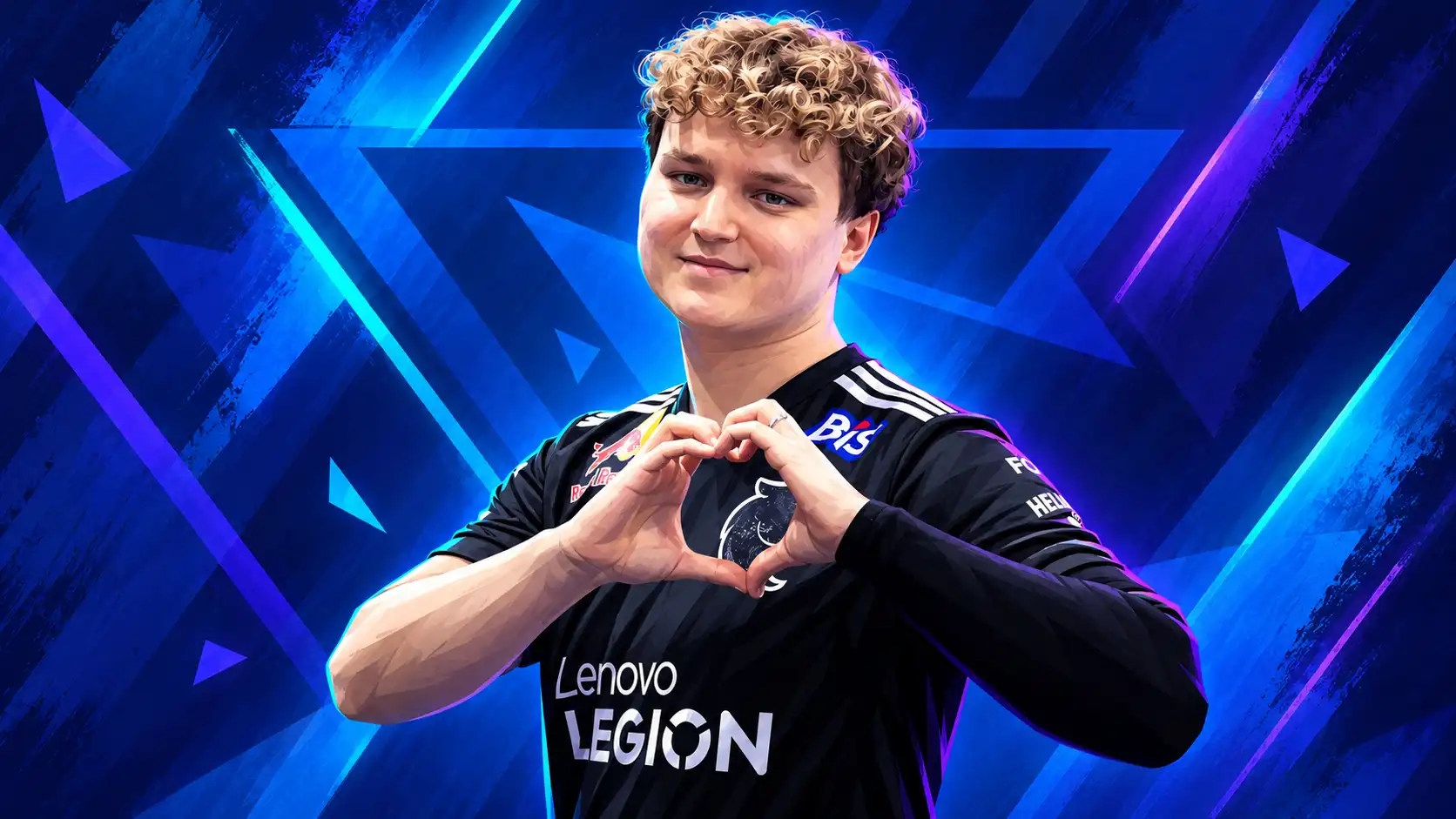
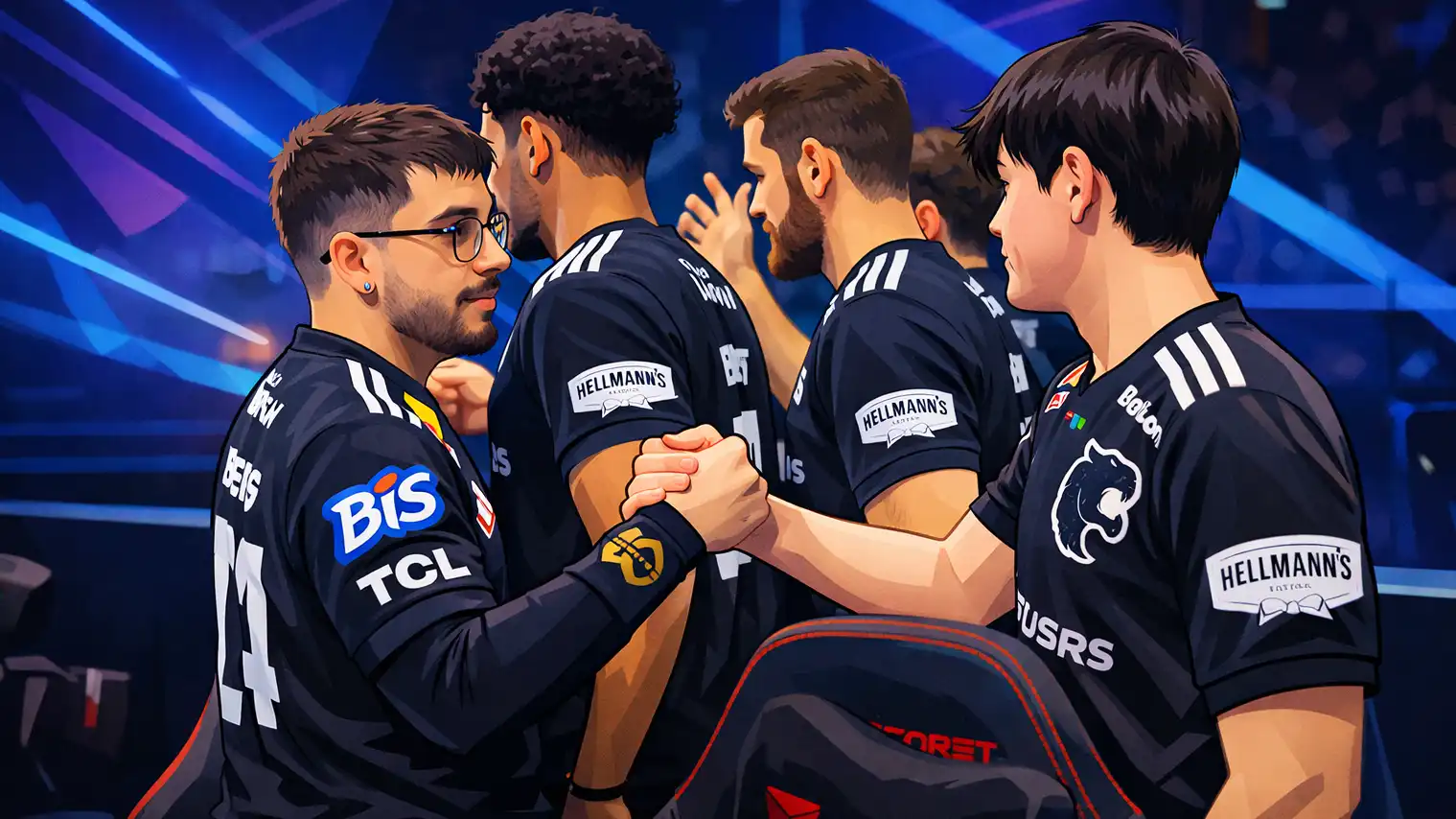
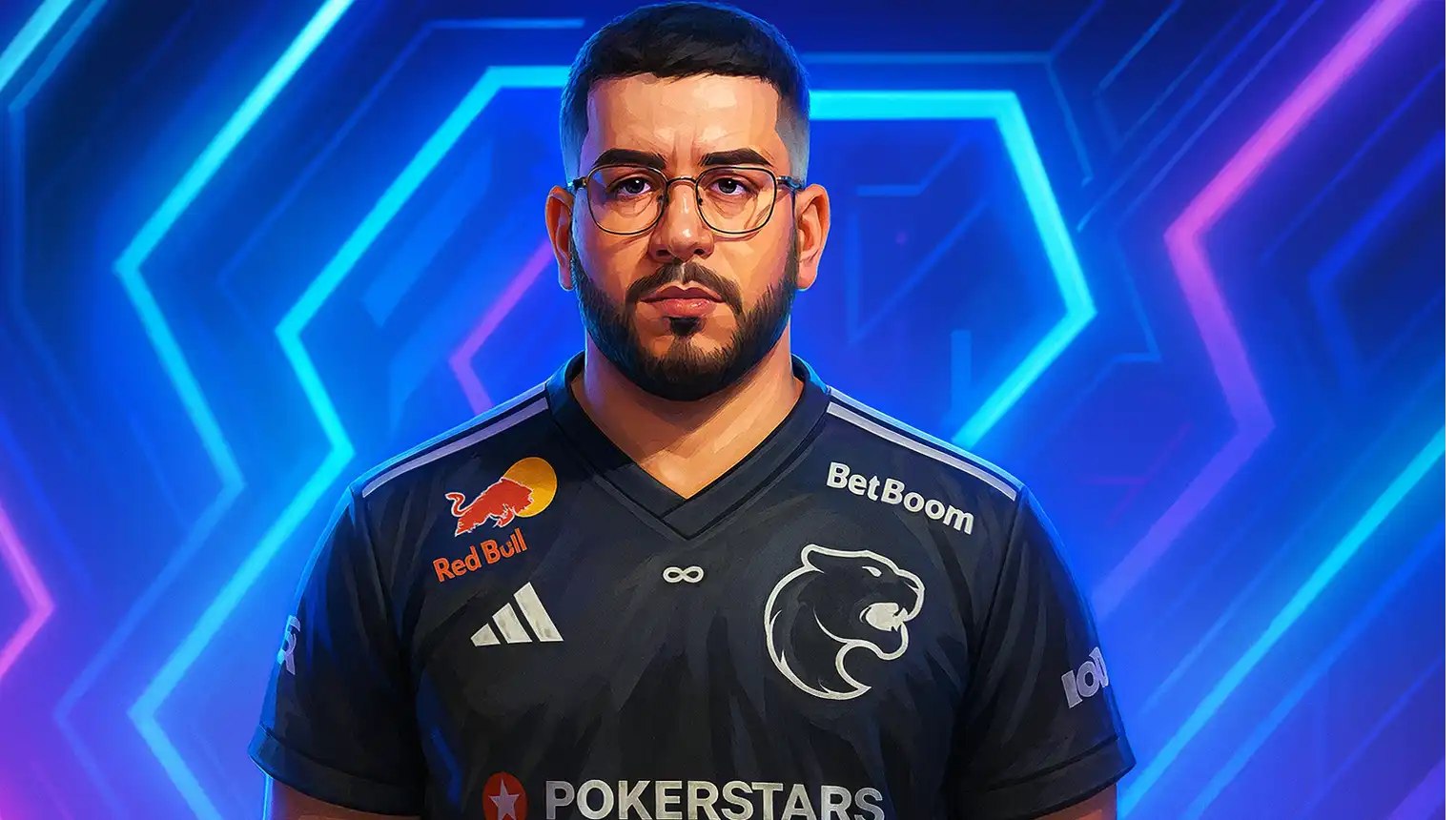
Mareks “YEKINDAR” Gaļinskis has ended his brief experiment as one of FURIA’s primary callers, handing control of the team’s T sides back to Gabriel “FalleN” Toledo after deciding that in-game leadership is not the role he wants at this stage of his career.
The Latvian rifler confirmed the change after FURIA’s 2-1 victory over MIBR in the upper-bracket quarter-final of StarLadder StarSeries Fall 2026. YEKINDAR had previously been responsible for calling portions of FURIA’s T sides on Anubis, Ancient and Cache, but FalleN is once again directing the team when rounds become difficult.
The decision matters beyond one tournament. FURIA had been exploring YEKINDAR as a possible long-term leadership option ahead of FalleN’s planned retirement at the end of 2026. Instead, the experiment has underlined how much the current lineup still depends on the Brazilian veteran’s experience and authority.
“This is too much cortisol”
YEKINDAR did not attempt to disguise his relief at stepping away from the role. When James “BanKs” Banks asked him about FURIA’s T side on Cache, he explained that the team had used the experiment to answer two questions: whether he wanted to pursue in-game leadership and whether FURIA needed him to do it.
His conclusion was emphatic.
“Credit where it’s due: I’m not calling anymore, and hopefully I’m not going to be anymore in the future. We tried it to understand: Is this something I want to pursue? Is this something the team needs?”
“I came to the conclusion that this is too much cortisol. I don’t want to IGL, and I was like, ‘FalleN, you need to take these maps back.’ He was like, ‘Of course I’m going to take it back, no problem.’”
The exchange was delivered with humor, but the underlying point was clear. YEKINDAR may consider leadership later in his career, but he does not want the responsibility to limit him while he still believes he can contribute as an aggressive rifler.
That distinction is important. He has not stopped communicating or contributing mid-round ideas. What has changed is where final responsibility sits.
“Sometimes, when you feel it, maybe I would call something. But most of the time, when it’s the hard situations, it’s always FalleN.”
“The overall idea is always a lot more on FalleN, but the micro-adjustments and how to get that idea is something I can help with. But mainly FalleN.”
The arrangement allows YEKINDAR to remain an active secondary voice without carrying the strategic workload of a full-time IGL. It also gives FURIA a clearer chain of command: FalleN establishes the broader plan, while YEKINDAR can offer the kind of immediate, position-based adjustments expected from an experienced aggressive player.
A strong individual response against MIBR
The timing of the announcement followed one of YEKINDAR’s better recent series.
FURIA recovered from an 11-13 defeat on MIBR’s Inferno pick by winning Nuke and Cache 13-6. YEKINDAR finished the series with 51 kills and 39 deaths, an 82.1 ADR, 74.2% KAST and a 1.13 rating. Only KSCERATO and molodoy recorded higher ratings for FURIA over the three maps.
His performance was uneven but decisive. YEKINDAR produced 32 kills and a 1.47 rating on the opening two-map statistical segment shown by HLTV, before recording a more modest 1.17 rating on Cache. The broader series numbers nevertheless show the value of reducing his cognitive workload: he remained heavily involved in fights and finished with the joint-highest kill total on FURIA.
KSCERATO led the team with a 1.30 rating and an 80.6% KAST, while molodoy added a 1.24 rating. Their production meant FURIA did not need YEKINDAR to carry the entire fragging burden, but his pressure and volume remained central to the comeback.
Cache was particularly relevant to his comments. FURIA ended both Nuke and Cache with 6-1 second halves, closing the deciding map without allowing MIBR back into the series. The result does not prove that changing the caller solved FURIA’s tactical problems, but it provided a positive early example of the structure YEKINDAR described: FalleN controlling the overall direction and the Latvian focusing more narrowly on execution and micro-adjustments.
FURIA’s form remains difficult to read
The victory improved FURIA’s record across their five most recent series to 3-2. Before arriving in Barcelona, they defeated GamerLegion 2-1 and PARIVISION 2-0 at FISSURE Playground 3, but their run ended with consecutive 0-2 losses to Legacy and G2.
That sequence captures the team’s current volatility. FURIA have shown that they can navigate competitive series and punish opponents below the elite tier, yet the one-sided defeats to Legacy and G2 exposed a substantial gap in consistency. Beating MIBR was therefore important, but it did not erase the questions created by their previous playoff exit.
YEKINDAR’s individual form has followed a similar pattern. His 1.13 rating against MIBR was encouraging, while his three-month return stands at 1.08 across 48 maps, with 0.67 kills and 0.70 deaths per round. Those numbers represent useful output from an aggressive rifler, but they do not suggest FURIA should willingly dilute his focus by making him a full-time caller.
The experiment also placed two demanding jobs on the same player. YEKINDAR’s value has traditionally come from creating pressure, contesting opening spaces and forcing defenders to react. Calling requires him to track the entire round, manage teammates and prepare contingencies at the same time. His decision suggests that he believes FURIA receive more from him when those responsibilities are separated.
FalleN’s return creates a longer-term question
Restoring FalleN as the principal caller gives FURIA immediate stability, but it also reopens the issue the experiment was designed to address.
The organization’s current five-man roster consists of FalleN, YEKINDAR, KSCERATO, yuurih and molodoy, with sidde as coach. FalleN remains the team’s AWPer and IGL, while YEKINDAR’s clarification rules out — at least for now — the simplest internal succession plan.
His wording should not be treated as a permanent rejection of leadership. YEKINDAR has previously said that he could explore calling later in his career. His message in Barcelona was instead about timing: he does not want to become an IGL while he still feels capable of producing greater value as a rifler.
For FURIA, that means the end-of-year transition remains unresolved. The team can continue using FalleN’s calling during the remainder of the season, but eventually it must either identify another internal option, recruit a dedicated leader or redesign the structure around shared responsibility. YEKINDAR can help with details and mid-round solutions; he no longer wants to own the system.
Vitality will test the restored structure
FURIA’s next opponent is Vitality in the StarSeries Fall upper-bracket semi-final, a far more demanding test of the revised leadership setup. Vitality won the teams’ previous series 2-1 at BLAST Open Porto 2026, taking Dust2 and Cache after FURIA claimed Nuke.
That result gives the rematch an obvious tactical reference point. FURIA’s Cache looked controlled against MIBR, but Vitality defeated them on the same map two weeks earlier. If the series again reaches Cache, FalleN’s restored authority and YEKINDAR’s freedom to concentrate on his own engagements will face a much stronger examination.
The MIBR win showed that the arrangement can function. Vitality will reveal much more about whether it can make FURIA competitive against one of the event’s leading teams.
Related News