
Sharks’ Cologne Run Ends Early as Koala Points to Confidence Issues Rather Than Map Pool Problems

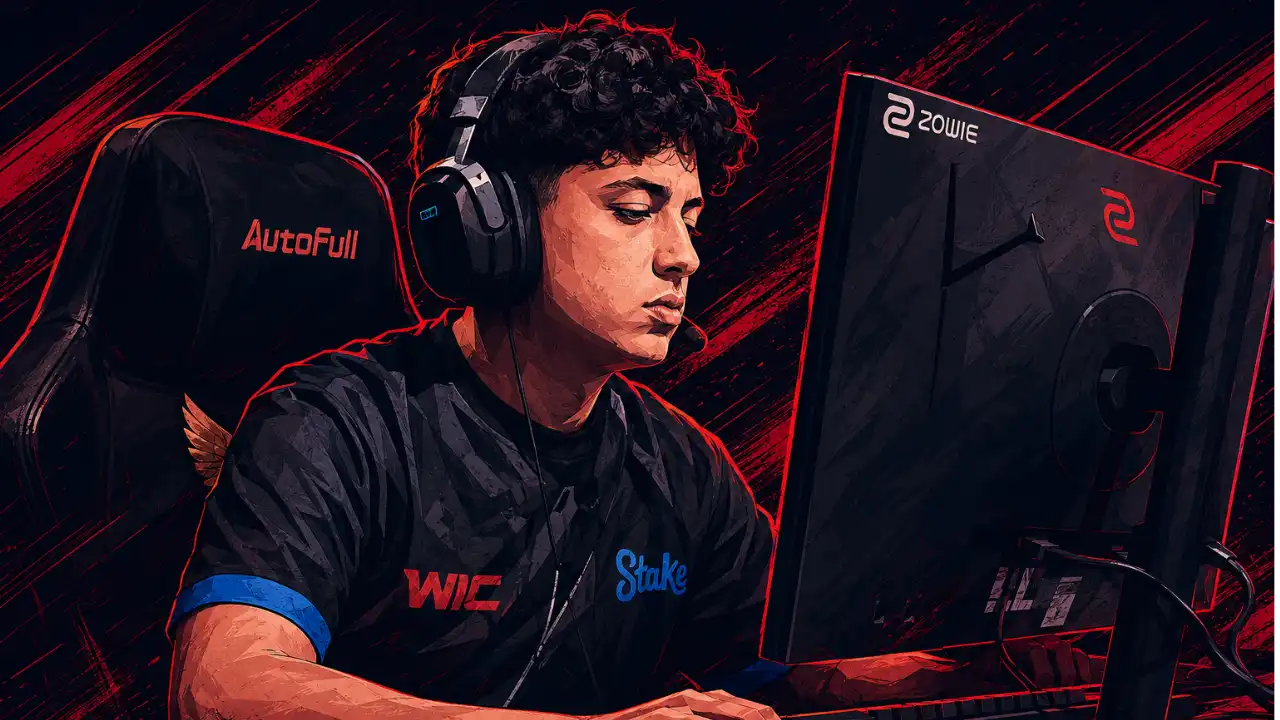
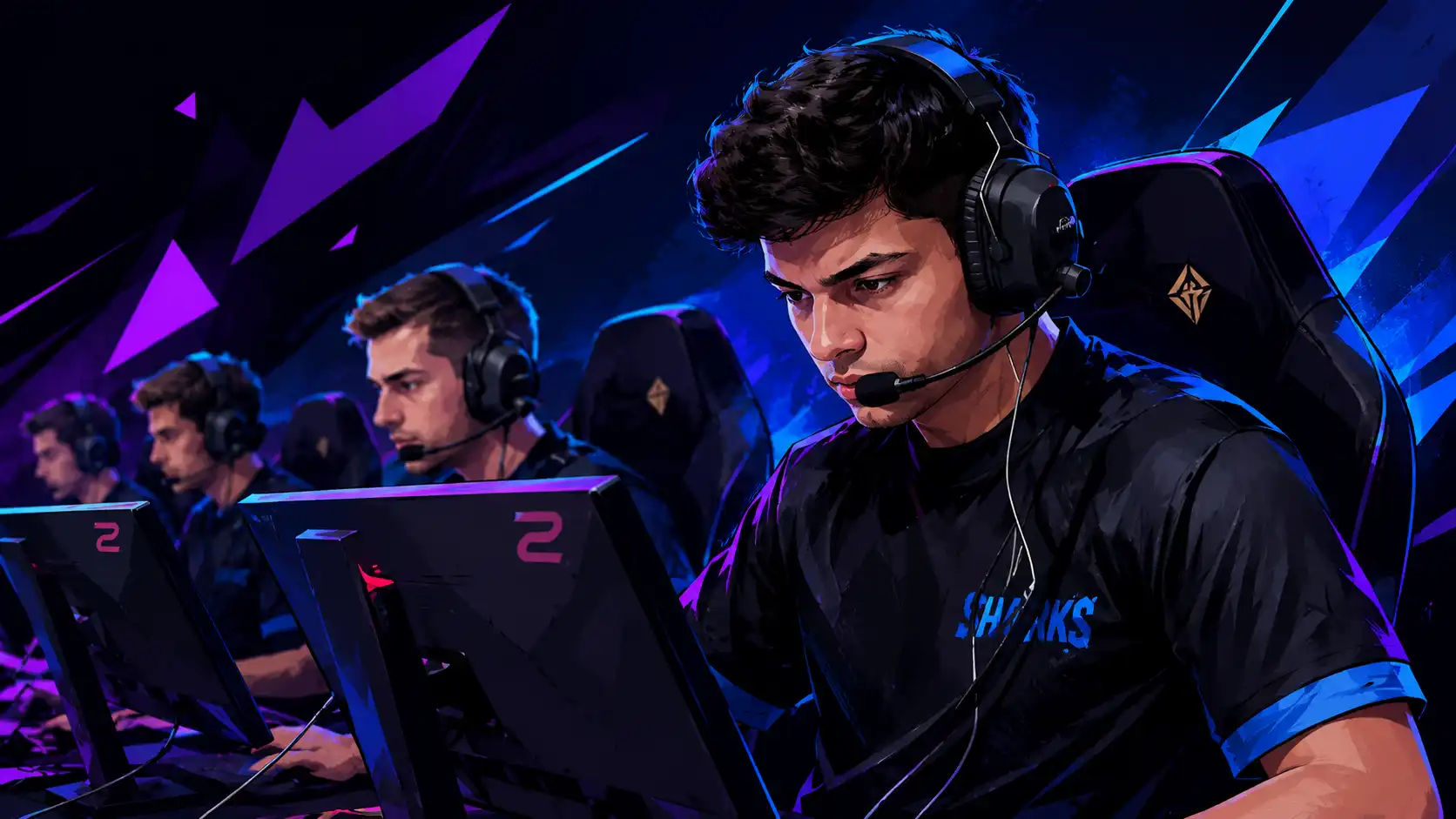
Sharks’ campaign at the IEM Cologne Major 2026 came to an end in Stage 1 following a hard-fought 1-2 defeat against TYLOO. Despite flashes of strong Counter-Strike throughout the tournament, the Brazilian squad was unable to secure a place in the next stage, finishing its run with a 2-3 record. After the elimination, João “koala” Pfeffer offered an honest assessment of the team’s shortcomings, emphasizing that confidence—not strategy or map selection—was the biggest factor behind the disappointing result.
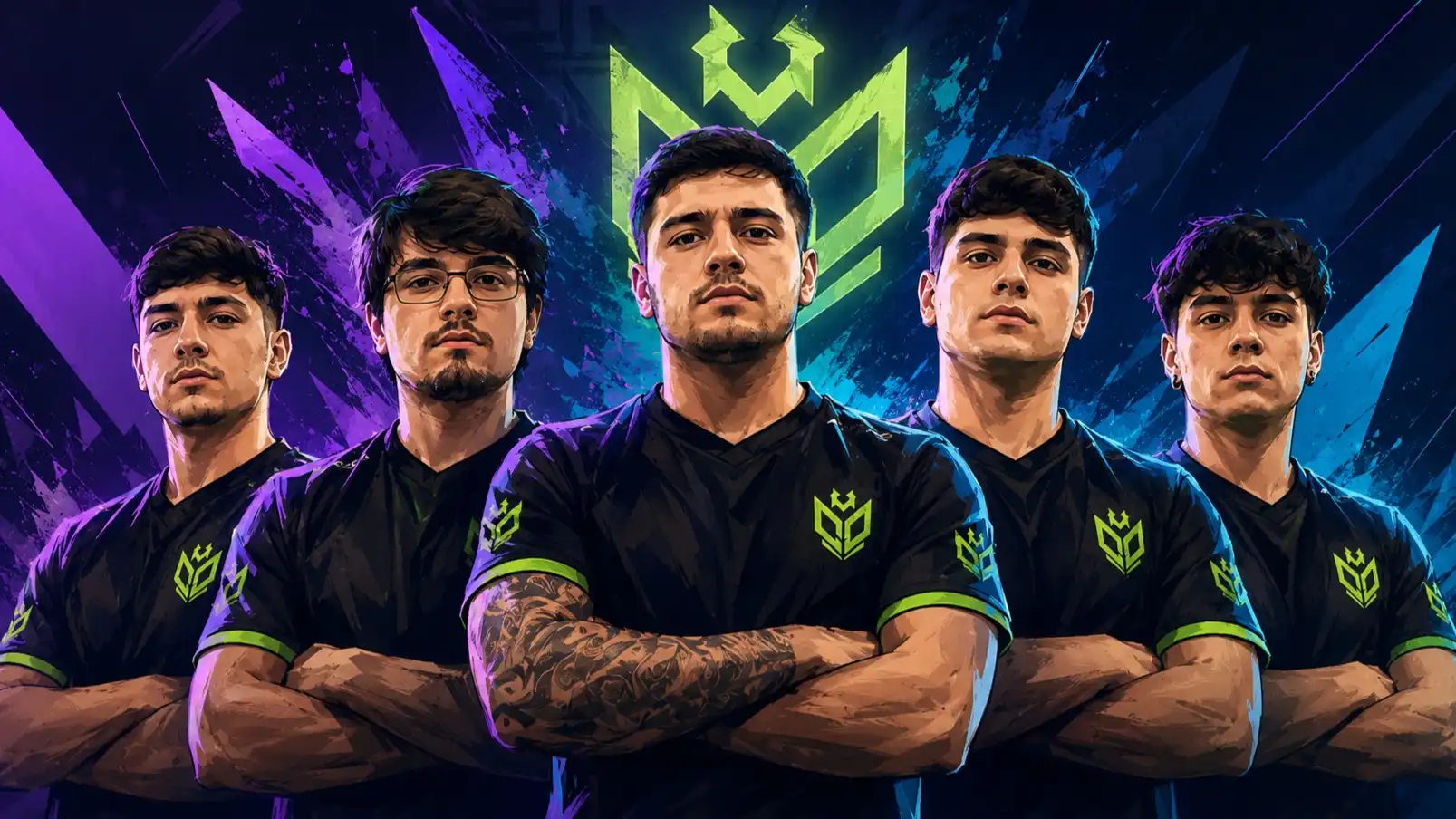
Sharks entered the Major as one of South America’s most promising representatives. The team arrived in Cologne ranked inside the world’s top 40 and featuring a stable lineup consisting of gafolo, rdnzao, doc, maxxkor, and koala under the guidance of coach Hélder “coachi” Sancho. The organization had shown encouraging progress throughout the season and hoped to convert that momentum into a breakthrough performance on one of Counter-Strike’s biggest stages.
Their tournament started in impressive fashion. Sharks stunned HEROIC in the opening round, securing a victory on Nuke after recovering from an early deficit. The result immediately attracted attention, as HEROIC were considered favorites heading into the matchup. The win suggested that Sharks had the firepower and tactical discipline necessary to challenge established international opposition.
However, maintaining that level proved difficult. As the event progressed, the Brazilian side struggled to reproduce the same confidence and consistency. While individual players continued to deliver strong moments, the team often appeared hesitant in key rounds and failed to capitalize on advantageous situations. According to koala, these issues were more psychological than strategic.
The AWPer rejected the idea that Sharks’ limited map pool was the primary reason behind the elimination. Instead, he pointed to the team’s confidence level, arguing that the players were capable of competing on most maps but frequently lacked the belief necessary to execute their game plan under pressure. His comments reflected a broader concern that the squad’s mental approach deteriorated as the stakes increased.
The deciding series against TYLOO highlighted those struggles. Sharks opened the match strongly by winning Nuke, where koala delivered one of his better performances of the tournament. Yet the team was unable to maintain control of the series as TYLOO gradually adapted and found more momentum on the following maps. Chinese star JamYoung played a crucial role in the comeback, leading TYLOO statistically and helping his team secure a 2-1 victory that sent Sharks home.
Despite the disappointing ending, Sharks’ Major campaign was not without positives. The team demonstrated that it can compete with internationally recognized opponents and showed resilience in several difficult situations. The opening win over HEROIC remains one of the notable surprises of Stage 1 and serves as evidence that the squad possesses the raw talent required to challenge stronger teams.
For koala personally, the tournament reinforced his growing reputation within the Brazilian scene. Since joining Sharks in May 2024 after previous stints with FURIA Academy and The Union, the 21-year-old has developed into one of the team’s key players. His performances throughout the season have helped Sharks maintain their position among South America’s leading organizations, and his candid post-match comments demonstrated a willingness to address the team’s issues directly rather than searching for easy excuses.
Looking ahead, Sharks face an important period of reflection. The roster has already shown that it can compete at the Major level, but converting isolated victories into sustained success will require improvements in consistency and mental resilience. If koala’s assessment is correct, the solution may not involve expanding the map pool or overhauling the tactical system. Instead, the team’s next step could be building the confidence necessary to perform at its true level when the pressure is at its highest.
While Stage 1 proved to be the end of the road in Cologne, Sharks leave Germany with valuable experience and a clearer understanding of the challenges separating them from the world’s elite. The organization’s future progress may ultimately depend on whether it can transform the lessons of this disappointing exit into long-term growth.
Related News