
GamerLegion Under Fire: Misconduct Allegations, Late Payments, and Paris Major Sticker Dispute

A recent investigation by HLTV has shed light on a series of internal issues within GamerLegion, including allegations of workplace misconduct, recurring salary delays, and disputes tied to revenue from the BLAST.tv Paris Major 2023 sticker sales. The report, based on testimonies from former players and staff, paints a troubling picture of operational instability behind the scenes of a team that once reached the grand final of a Major.
Workplace environment and misconduct allegations
Multiple sources cited in the report described a difficult working environment within GamerLegion. Allegations include unprofessional conduct and poor internal management practices that, according to former employees, created tension between staff and leadership. While details vary between testimonies, the overall narrative suggests a lack of structure and accountability in day-to-day operations.
Although not all individuals interviewed shared identical experiences, the consistency of complaints highlights systemic issues rather than isolated incidents. These concerns reportedly contributed to staff departures and dissatisfaction among players during key periods of the organization’s competitive run.
History of delayed payments
One of the most serious recurring accusations involves delayed salaries. Several former members claimed that payments were frequently late—sometimes by as much as two months.
According to testimonies, the issue was not uniform across all employees. Some individuals described what they perceived as a “selective” payment system, where higher-profile players or those represented by more assertive agents received their salaries on time, while others were left waiting.
In one reported case, a staff member stated they had to borrow money to afford food during a bootcamp due to not receiving their salary on time. These claims underline the severity of the financial instability experienced by certain members of the organization.
Late payments are not an uncommon issue in esports historically, but the frequency and consistency described in this case suggest deeper financial or managerial problems within GamerLegion during that period.
Paris Major sticker revenue controversy
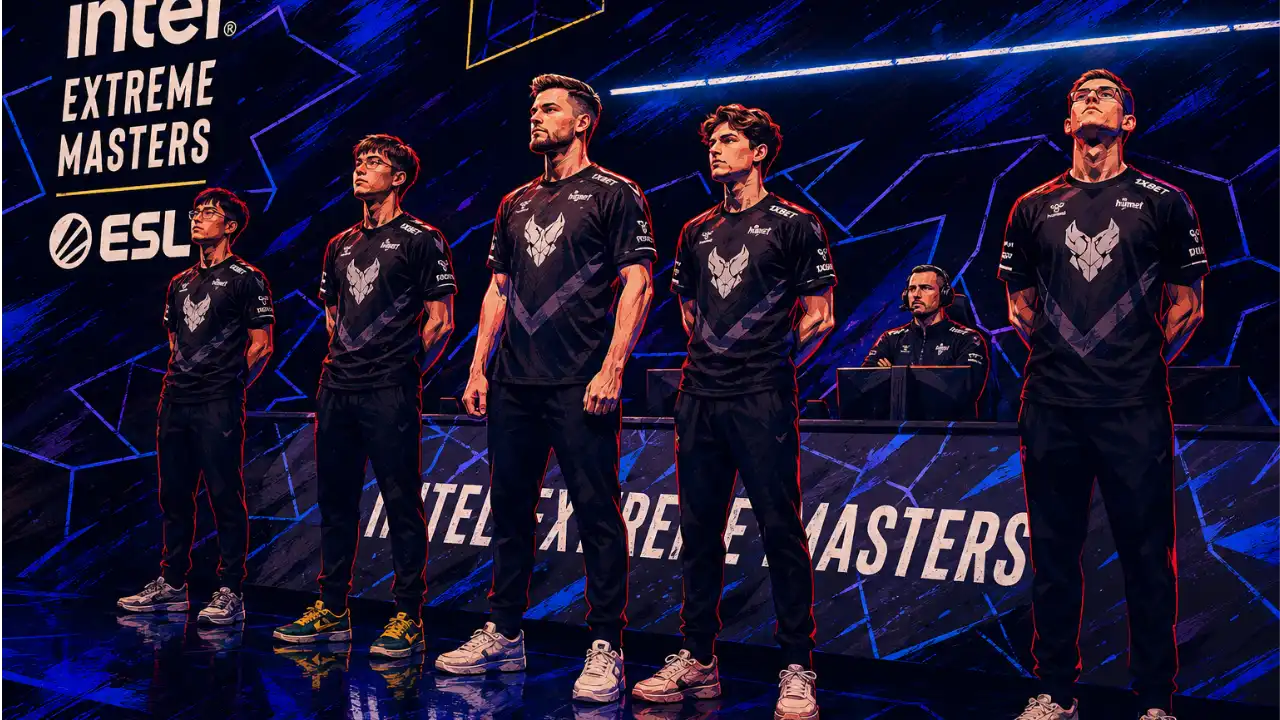
Another key point of contention revolves around the BLAST.tv Paris Major 2023, where GamerLegion achieved a surprising second-place finish. Participation in a Major is financially significant due to in-game sticker sales, which generate substantial revenue shared between teams, players, and Valve Corporation.
Sticker sales from that Major reportedly exceeded $100 million in total revenue across all teams, illustrating the scale of potential earnings.
However, according to HLTV’s investigation, disputes arose regarding how GamerLegion distributed its share of these earnings. Some players and staff believed they did not receive a fair portion or experienced delays in receiving their payments tied to sticker revenue. This situation further fueled dissatisfaction within the team, especially given the financial importance of Major participation.
The controversy highlights a broader issue in esports: the lack of standardized systems for revenue sharing, particularly when it comes to digital items like stickers, which can represent one of the largest income streams for organizations and players.
Broader context and impact
GamerLegion, founded in 2017 and based in Germany, rose to prominence largely through its Counter-Strike roster, achieving its biggest success with a runner-up finish at the Paris Major. Despite this competitive breakthrough, the internal issues described in the report suggest that success on the server did not translate into stability behind the scenes.
The situation also reflects recurring challenges in the esports industry, where rapid growth has not always been matched by professional infrastructure. Payment delays, contractual disputes, and unclear financial practices have affected multiple organizations over the years, particularly outside of top-tier franchises.
Community reactions, including discussions on platforms like Reddit, indicate that such issues are often viewed as part of a broader pattern in esports, rather than an isolated case.
Conclusion
The HLTV investigation into GamerLegion reveals a complex combination of workplace concerns, financial instability, and disputes over major revenue streams. While the organization has achieved notable competitive success, the reported internal problems raise questions about governance and sustainability.
As esports continues to evolve, cases like this emphasize the need for greater transparency, standardized contracts, and improved protections for players and staff. Without structural improvements, similar controversies are likely to persist across the industry.
Related News