
Valve Responds to New York Lawsuit Over CS2 Loot Boxes, Rejects Gambling Allegations

Valve Responds to New York Lawsuit Over CS2 Loot Boxes, Rejects Gambling Allegations
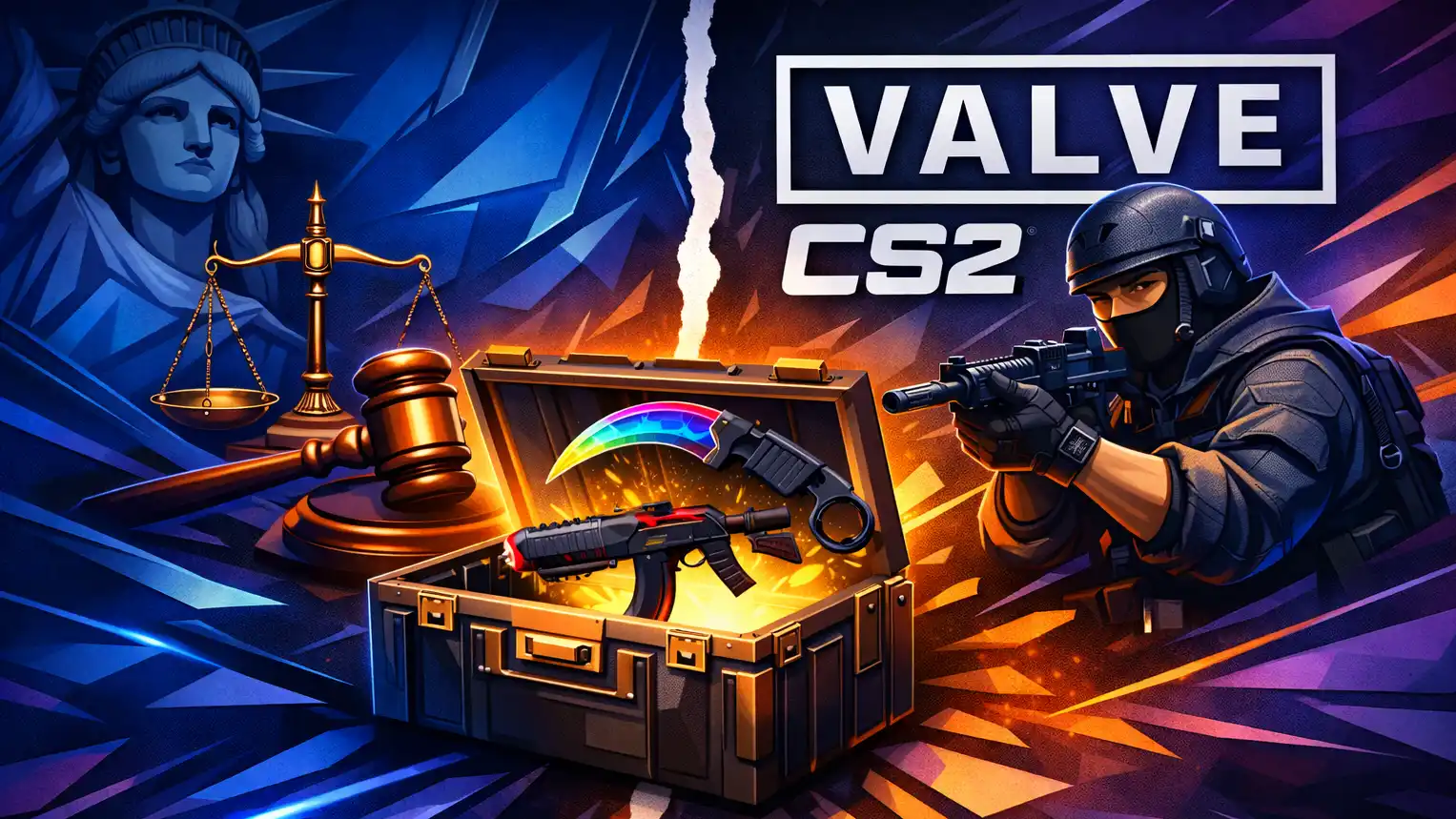
Valve has officially responded to a lawsuit filed by New York Attorney General Letitia James that claims loot boxes in Counter-Strike 2 (CS2), Dota 2, and Team Fortress 2 function as illegal gambling systems.
The legal action argues that the case-opening mechanics used in Valve games resemble slot machines, as players spend real money for randomized rewards that may hold significant market value.
Valve has rejected those claims and confirmed it intends to challenge the lawsuit.
According to the company, mystery boxes are optional cosmetic features, and players are not required to open them in order to play or progress in the game.
What the New York Lawsuit Claims
The complaint filed by the New York Attorney General focuses on Valve’s monetization model involving:
paid case keys
randomized skin rewards
the Steam Community Market
third-party item trading platforms
Authorities argue that these systems create a real-money gambling environment because virtual items can be sold or traded for value.
The lawsuit also claims that the visual presentation of case openings creates a psychological “near-miss” effect similar to casino slot machines.
New York is seeking:
financial penalties
restitution for players
restrictions on loot box mechanics in the state
Attorney General Letitia James said Valve’s systems contain “slot machine-like features” that encourage players to spend money for the chance to win rare digital prizes.
The legal filing describes Valve’s system as “quintessential gambling.”
Valve’s Response to the Allegations
Valve strongly disagrees with the characterization of its games.
In a public statement, the company said it is “disappointed” by the lawsuit and emphasized that case openings are optional.
Valve also noted it has been discussing its digital item systems with regulators since 2023.
Another key issue in the dispute is item ownership and transferability.
Valve argues that demands reportedly discussed by regulators — including making items non-transferable or implementing broader user verification systems — would harm players and digital ownership.
The company said it refuses to voluntarily remove item trading, which has been a core part of the Steam ecosystem for more than a decade.
Why the Case Matters for CS2 and the Gaming Industry
The lawsuit could have major implications for loot boxes across the gaming industry, particularly in games where virtual items hold real-world value.
CS2 skins have become a major digital economy, with some rare items selling for thousands of dollars.
Because items can be traded or sold on marketplaces, regulators argue that the system goes beyond typical in-game cosmetic purchases.
If the court rules against Valve, it could lead to:
restrictions on case opening systems
stronger age verification requirements
limits on skin trading and marketplaces
Such changes would significantly affect the CS2 skin economy, one of the largest digital item markets in gaming.
Increasing Regulatory Pressure on Loot Boxes
The lawsuit comes during a period of growing global scrutiny over loot box mechanics.
In 2025, the U.S. Federal Trade Commission reached a $20 million settlement with Cognosphere, the publisher of Genshin Impact, over allegations related to loot box practices and youth access.
That agreement included restrictions on selling loot boxes to players under 16 without parental consent.
Meanwhile, Valve has also taken steps to regulate parts of the Counter-Strike ecosystem itself.
In late 2025 the company introduced new rules banning skin-gambling and case-opening websites from appearing on team jerseys or tournament broadcasts tied to official Counter-Strike events.
Valve Also Facing Additional Lawsuits
The New York case is not the only legal challenge facing Valve.
Reports indicate the company is also dealing with a separate class-action lawsuit in Washington state related to its loot box systems.
While that case is distinct, the growing number of legal challenges highlights the pressure facing the randomized monetization model used by many modern games.
What Happens Next
The legal battle between Valve and New York regulators is still in its early stages.
If the case proceeds through the courts, it could become one of the most significant legal tests yet for loot boxes, digital item ownership, and virtual economies in gaming.
For the Counter-Strike community, the outcome may ultimately determine how CS2 cases, skins, and trading systems operate in the future.
Related News
.webp)