
Valve Officially Bans CS2 Skin Gambling and Case-Opening Sponsors From Jerseys and Broadcasts

Valve Officially Bans CS2 Skin Gambling and Case-Opening Sponsors From Jerseys and Broadcasts
Valve has implemented one of the most impactful Counter-Strike esports policy updates in years. A new revision of the Tournament Operation Requirements (TOR) explicitly bans skin gambling, case-opening, and item-trading sponsors from appearing on:
Team jerseys
Tournament overlays
Broadcast graphics
Any visible materials during official CS2 tournaments
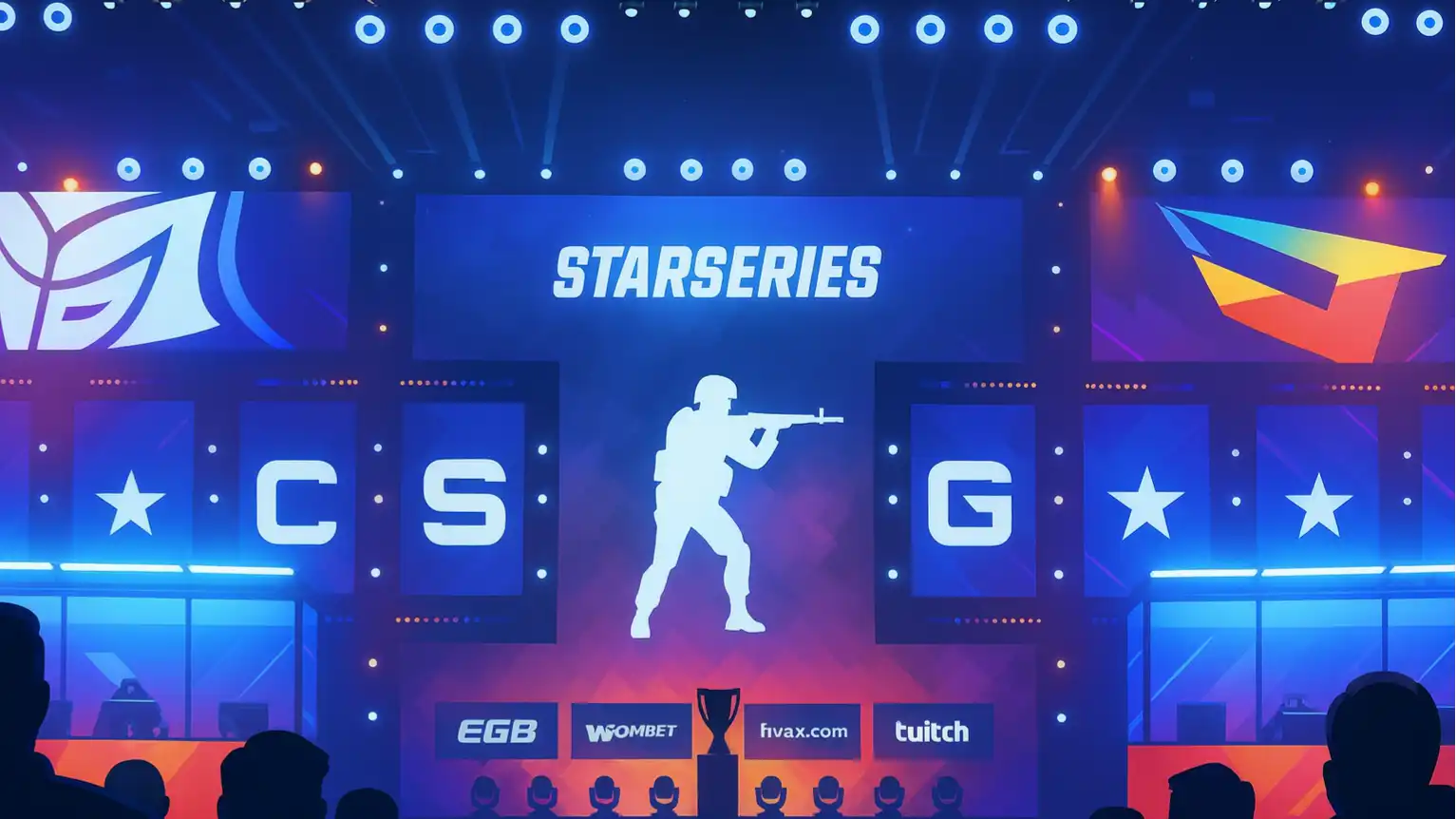
The change applies globally to all officially licensed Counter-Strike events, including Valve-ranked competitions and the upcoming StarLadder Budapest CS2 Major 2025.
This marks the most direct crackdown yet on third-party websites profiting from CS2’s skin economy through gambling-style mechanics.
What Exactly Is Banned Under the New Valve Rules?
Valve’s updated TOR prohibits sponsorships that:
Require users to log in with Steam accounts
Use CS2 skins or cases as gambling currency
Offer loot-box style random rewards
Enable conversion of items into real money or crypto
Violate the Steam Subscriber Agreement
This includes:
Skin gambling casinos
Case-opening platforms
Skin trading websites with gambling mechanics
In contrast, traditional cash-based betting platforms remain permitted, meaning sportsbooks like Stake or Roobet are still allowed on jerseys and broadcasts — as they do not touch CS2 items or Steam inventories.
Why Valve Is Targeting Skin Gambling Now
The decision comes after several high-profile controversies:
1. A multi-billion-dollar unregulated skins gambling market
Academic and government reports have highlighted that CS skin gambling disproportionately attracts under-age users, raising legal and ethical concerns.
2. The 2024–2025 skins gambling scandals
Recent events included:
The CSGOEmpire Cup fallout after the sponsor admitted involvement in a Major stage invasion that damaged the trophy. Numerous teams withdrew in protest.
The detention of Eternal Fire player Ömer “imoRR” Karataş in Turkey for promoting the case-opening site KeyDrop — authorities classified its mechanics as illegal gambling.
These incidents pushed Valve toward a stricter, globally unified policy.
3. Platform and regional pressure
Twitch, YouTube, and several jurisdictions — including Turkey and the UK — have tightened regulations around gambling-style content involving digital items.
Valve’s new TOR aligns CS2 esports with these broader restrictions.
How the CS2 Sponsor Ban Impacts Teams and Organizations
The new rules immediately affect multiple top-tier organizations with skin-economy sponsors, including:
Vitality (Skin.Club)
MOUZ (G4Skins)
The MongolZ (CSGOSKINS)
Many teams reportedly arrived at the Budapest Major with altered jerseys removing restricted sponsors to remain compliant.
Mid-tier orgs hit the hardest
Teams that relied heavily on skin gambling sponsors for primary revenue will now need to:
Seek alternative “clean” sponsors
Move skin gambling partnerships off-broadcast
Rebuild their commercial structure around acceptable partners
This is expected to shift millions of dollars in esports sponsorship value.
What Players and Industry Figures Are Saying
The response from pros, creators, and industry leaders reflects a long-building frustration with the grey-market gambling scene.
Team leaders condemning skin gambling practices
After the CSGOEmpire Cup scandal, executives and coaches from MOUZ NXT and SINNERS publicly withdrew from the tournament — calling the sponsor’s actions unethical and damaging to the scene.
Creators rejecting skins gambling deals
Notably, streamer Trainwreck previously stated he turned down multi-million-dollar CS:GO gambling offers because of their impact on young audiences.
Developers criticizing loot-box monetization
DayZ creator Dean Hall has openly argued that loot-box systems — including CS2’s case-opening mechanics — function as gambling and have “no place” in mainstream games.
What This Means for the CS2 Skin Economy
Despite the ban, the core CS2 skin economy remains untouched:
Steam Market trading is unaffected
P2P marketplaces without gambling features remain allowed
Skin prices and investing mechanics do not change
The ban targets visibility in esports, not players’ ability to trade, buy, or open cases.
Winners & Losers
Winners:
Traditional bookmakers
Legitimate sponsors
Tournament organizers seeking a cleaner brand image
Losers:
Case-opening and skin-casino platforms
Mid-tier orgs reliant on skin gambling cash
Marketing pipelines built around aggressive case-opening promotions
Conclusion: A Cleaner Look for CS2 Esports in 2025
Valve’s ban on skin gambling and case-opening sponsorships marks a major shift in Counter-Strike esports. While traditional betting remains permitted, the grey-market economy built around CS2 items is being pushed out of official broadcasts.
For teams, players, and fans, this means:
-
Cleaner, more legitimate sponsor visibility
-
Reduced exposure to unregulated gambling
-
A more stable and publisher-controlled esports ecosystem
The move signals Valve’s intention to protect CS2’s global image — especially ahead of the 2025 Major — and reassert control over how its in-game economy is monetized by third parties.
Related News