

torzsi Reveals MOUZ “Overanalyzed Everything” Before IEM Rio Playoff Run

.webp)
torzsi Reveals MOUZ “Overanalyzed Everything” Before IEM Rio Playoff Run
MOUZ bounce back after slump as torzsi explains team’s mental reset and internal struggles
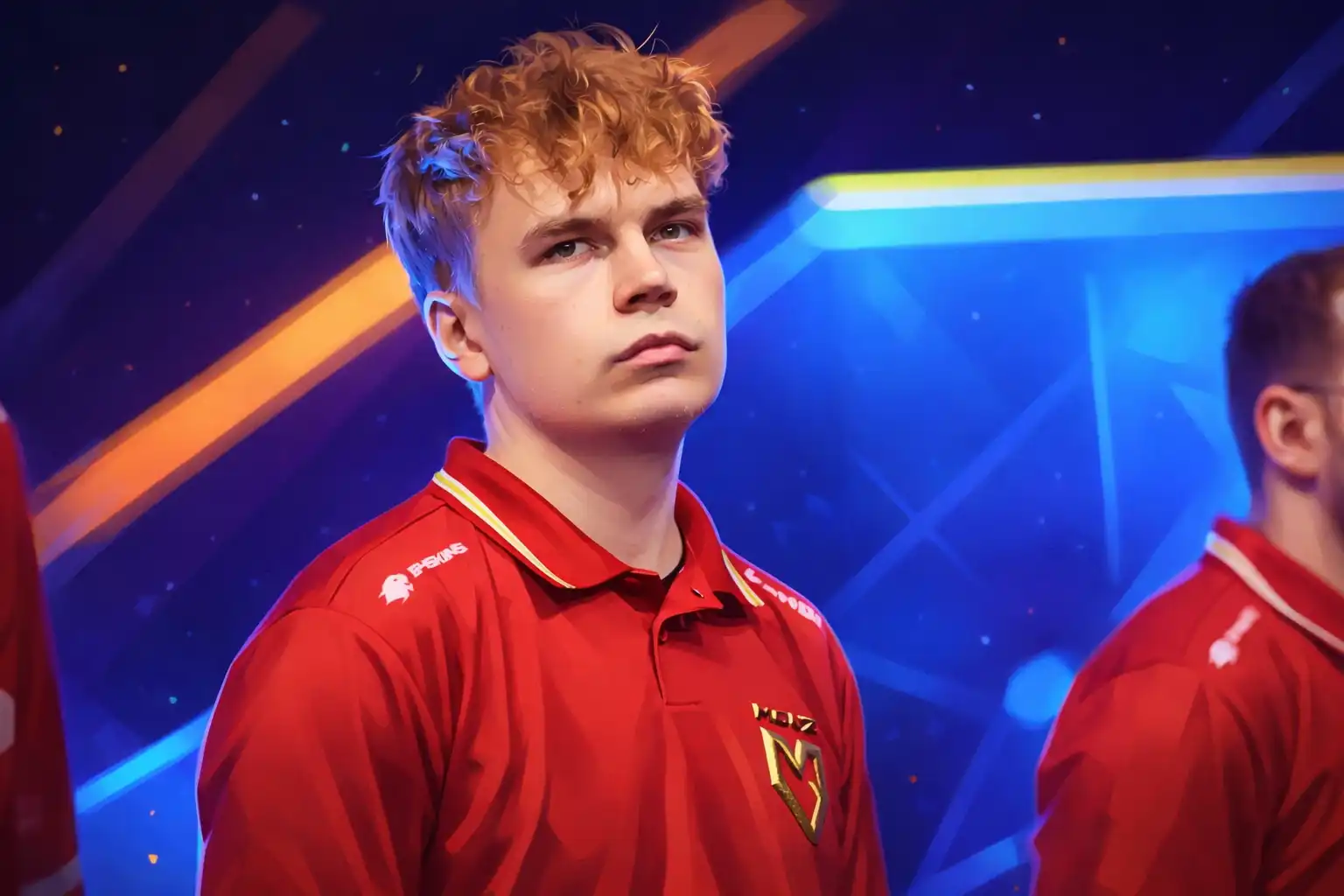
MOUZ have secured a crucial playoff spot at IEM Rio 2026, but according to Ádám “torzsi” Torzsás, the result comes after months of internal struggle — including what he described as a damaging tendency to “overanalyze everything.”
Following a convincing 2-0 victory over Aurora, the AWPer opened up about the team’s recent downturn, pointing to a mental spiral that impacted performance across multiple events.
MOUZ Break the “Bad Spiral”
MOUZ entered IEM Rio under pressure after a disappointing last-place finish at BLAST Open Rotterdam. However, their dominant win against Aurora (13-4 Dust2, 13-8 Mirage) marked a clear shift in form.
Speaking after the match, Ádám Torzsás admitted the team’s biggest issue wasn’t mechanical skill — but mindset:
“Maybe in the last couple of months we got into a bad spiral where we were always overanalyzing stuff.”
Instead of trusting their instincts, MOUZ became trapped in constant review cycles, focusing too heavily on mistakes rather than solutions.
From Tactical Depth to Overthinking
According to torzsi, MOUZ’s preparation became counterproductive. The team spent too much time breaking down errors, which led to hesitation in-game.
The solution in Rio was simple:
Play more freely
Focus on individual responsibility
Stop overcomplicating decisions
This mental reset allowed MOUZ to look far more decisive — especially on Dust2, a map where they had struggled in recent tournaments.
Recent Results Raised Concerns
The Rio turnaround follows one of MOUZ’s lowest points this season. At BLAST Open Rotterdam, the team exited in last place after losses to The MongolZ and 9z.
Head coach Dennis Nielsen (sycrone) did not hide his concerns at the time, calling the result a “wake-up call” while emphasizing that the team still had long-term goals ahead.
Roster Changes Still Casting a Shadow
MOUZ’s current struggles can’t be separated from earlier roster decisions. In 2025, the organization shocked the scene by benching:
Kamil Szkaradek (former IGL)
The move was reportedly due to “differing visions,” with leadership responsibilities shifting to:
Ludvig Brolin
Shortly after, MOUZ signed:
Lotan Giladi
While the roster remains individually strong, adapting to new leadership has been an ongoing process.
Brollan: “We Keep Repeating Mistakes”
Brollan himself has previously highlighted structural issues within the team. In past interviews, he admitted MOUZ were:
Struggling with T-side consistency
Lacking full practice weeks
Repeating the same mistakes across matches
These issues align closely with torzsi’s recent comments about overanalysis and lack of clarity.
Mental Pressure Also Played a Role
Earlier in 2026, torzsi also spoke about the psychological side of competition. During PGL Cluj-Napoca, he admitted that crowd pressure affected his performance:
“It got to me... every time the camera was on me, I heard the boos.”
He also noted that MOUZ often built strong positions in matches but failed to convert them — another sign of hesitation and overthinking.
Transfer Rumors Shut Down
Amid the team’s struggles, rumors linked Emil Reif to a potential move to MOUZ.
torzsi dismissed the speculation outright, confirming there was no truth to the reports, reinforcing that the team remains focused on internal improvement rather than roster changes.
Why This Win Matters for MOUZ
The victory over Aurora is more than just a playoff qualification — it’s a potential turning point.
After months of inconsistency, MOUZ showed:
Better coordination
More confidence in duels
Cleaner decision-making
Most importantly, they looked like a team playing instinctively again, rather than second-guessing every move.
Can MOUZ Stay Consistent?
The biggest question now is whether this form is sustainable.
MOUZ have shown flashes of elite performance throughout the season, but consistency has remained their biggest weakness. If torzsi’s diagnosis is correct, the solution may not be tactical — but psychological.
Simplifying their approach and trusting their system could be the key to finally unlocking their full potential.
Related News
.webp)