
Olof “olofmeister” Kajbjer Inducted into HLTV Hall of Fame After Legendary CS Career

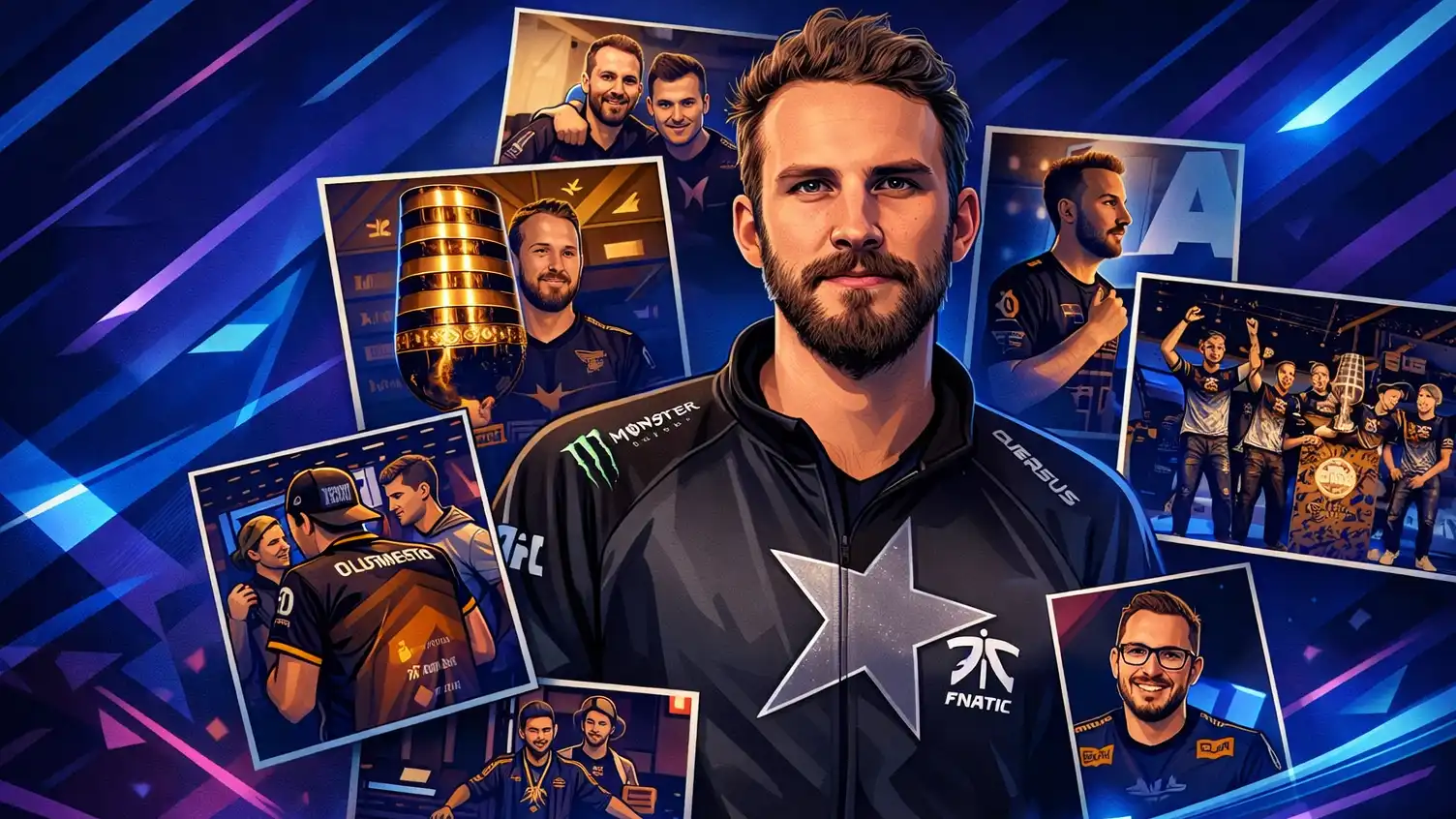
Olofmeister’s Hall of Fame Induction
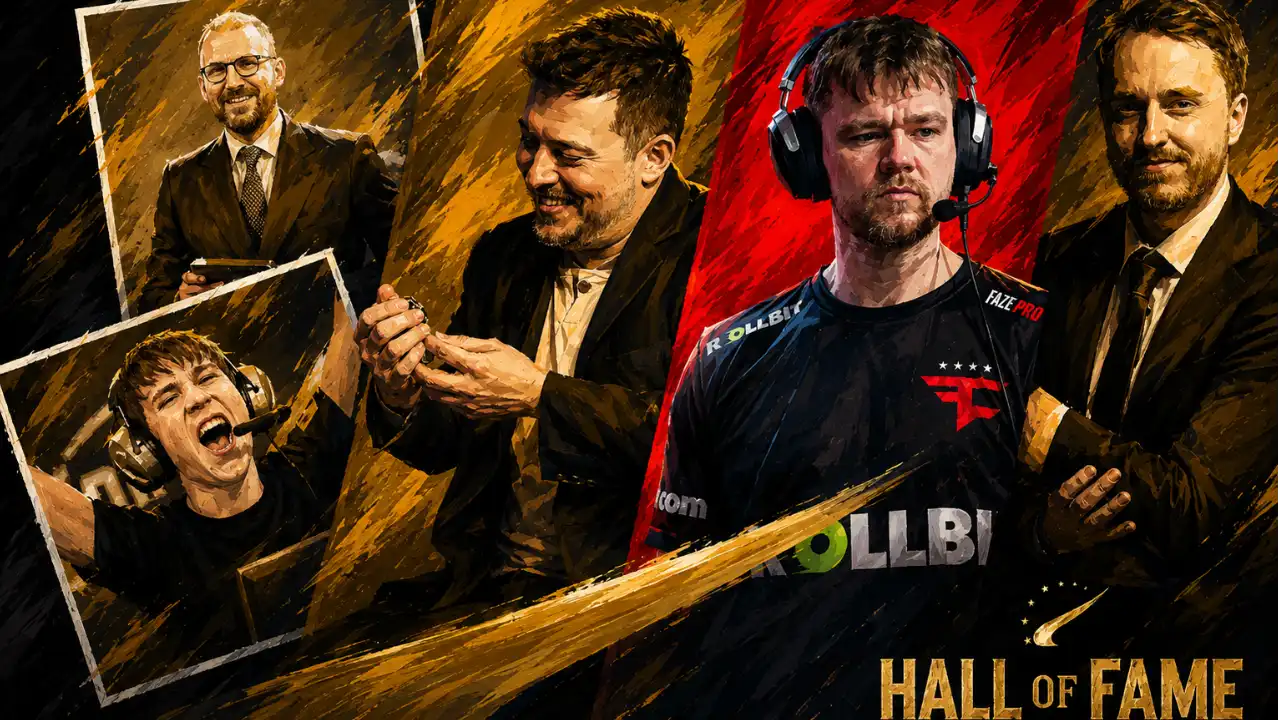
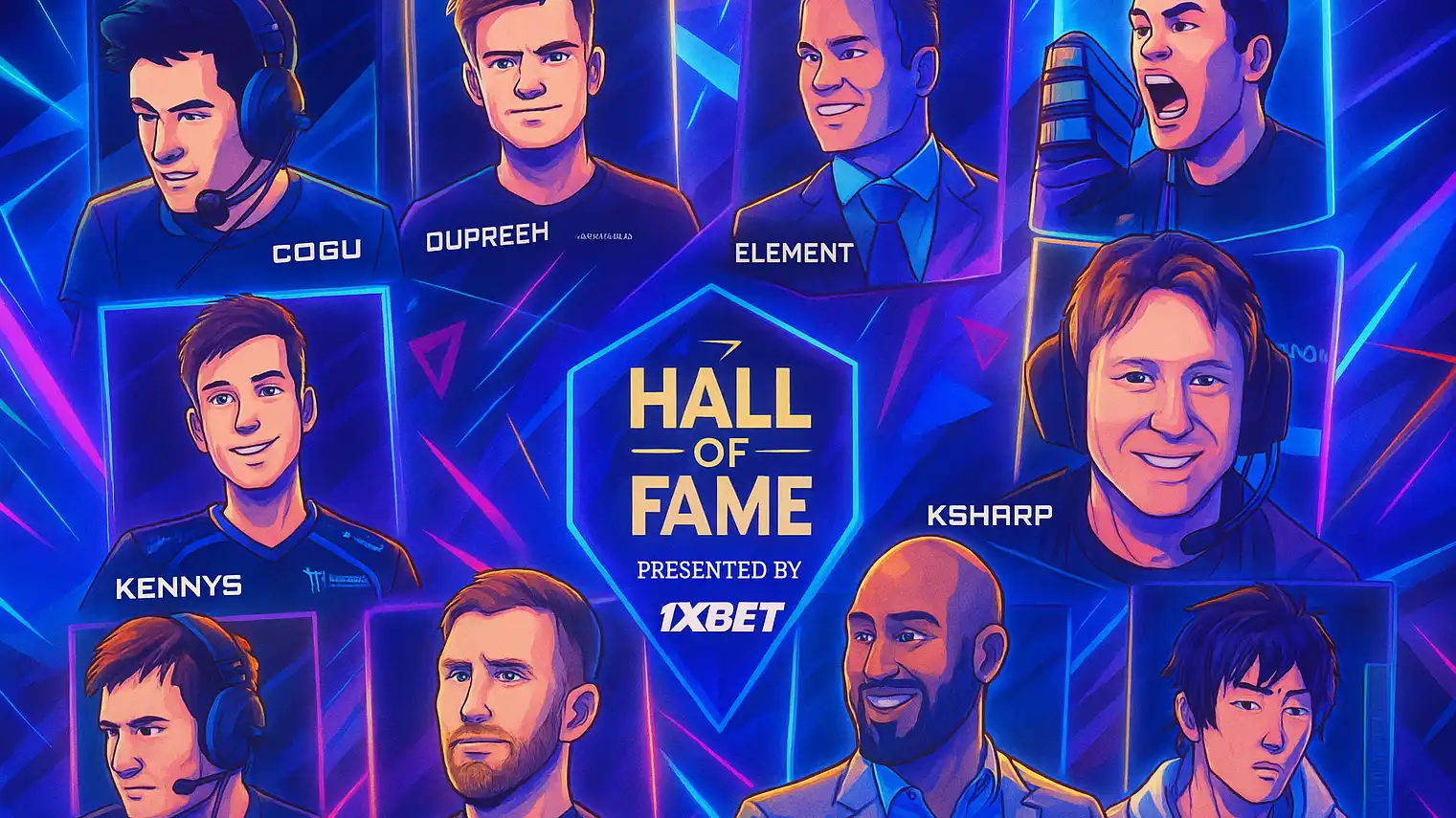
Olof “olofmeister” Kajbjer has officially been inducted into the HLTV Hall of Fame, solidifying his legacy as one of Counter-Strike’s most influential players. The announcement comes as part of the second class of Hall of Fame honorees, which also includes cogu and markeloff — with the ceremony itself taking place at the HLTV Awards in January 2026.
The Hall of Fame, presented by 1xBet, recognizes players, personalities, and contributors who have left a lasting impact on Counter-Strike history. Eligible candidates must be retired from active competition, and each inductee receives a personalized Rolex watch and an official profile on HLTV.org.
Why Olofmeister Was Selected
Olofmeister’s Hall of Fame induction reflects a career filled with historic achievements and defining moments in Counter-Strike: Global Offensive:
-
Two Major Championships — Olofmeister won multiple CS:GO Major titles with fnatic, including ESL One Katowice 2015 and ESL One Cologne 2015 during their dominant era.
-
Major MVP Honors — He was named MVP of ESL One Katowice 2015, highlighting his pivotal role in the team’s success.
-
Player of the Year (2015) — HLTV ranked him as the world’s best player in 2015 due to his unmatched versatility — leading in kills, assists, AWPing, and every statistical category.
-
Consistent Top 20 Seasons — Beyond his #1 year, olofmeister appeared multiple times in HLTV’s Top 20 Players lists, showcasing consistency at the highest level.
-
Era-Defining Impact — More than trophies, his influence was cultural: from memorable clutch plays (such as the iconic molotov defuse at ESL One Cologne 2014) to helping shape how elite Counter-Strike was played and watched globally.
He became the first Hall of Famer whose peak was in CS:GO rather than CS 1.6, showing how his era helped define modern competitive Counter-Strike.
Career Origins and Development
Originally a 1.6 player, Olofmeister transitioned into CS:GO’s competitive scene in 2013 with LGB, where he balanced gaming with his studies before committing fully to esports.
His early breakout came at EMS One Katowice 2014, where LGB reached the semifinals — a breakthrough performance that proved he could compete with the world’s best and foreshadowed his future success.
Golden Era with fnatic
Choosing fnatic over other Swedish legends (like Ninjas in Pyjamas) marked a pivotal turning point. With fnatic, olofmeister:
-
Helped deliver eight event wins in 2015;
-
Turned early season adversity (including the boost controversy at a Major) into motivation;
-
Led fnatic through one of the most dominant periods in CS:GO history.
His adaptability and leadership made fnatic a true powerhouse on LAN and a cultural force in the scene — helping bridge grassroots passion and true pro competition.
Later Years with FaZe and End of Career
After leaving fnatic, olofmeister continued at the top level with FaZe Clan, where he remained a key presence and a fan-favorite. While that chapter didn’t quite match fnatic’s peak trophy haul, it highlighted his versatility in adapting to new team dynamics and role changes.
In later seasons, injuries and roster reshuffles shifted his on-server impact, but his influence remained undeniable. The Hall of Fame induction recognizes his entire journey — from Swedish contender to global esports star.
Class of 2025 — Historical Context
Olofmeister joins cogu and markeloff in the 2025 Hall of Fame class — three legends whose careers spanned multiple generations and facets of Counter-Strike. This group follows the inaugural 2024 class that included other luminaries like f0rest, GeT_RiGhT, HeatoN, and Potti.
Legacy and Community Reaction
The community widely celebrated olofmeister’s induction as a long-overdue recognition of one of CS:GO’s true defining figures. Fans frequently cite his unique hybrid playstyle, clutch mentality, and influence on CS culture — including how many players adopted “meister” into their own usernames during his heyday.
Related News