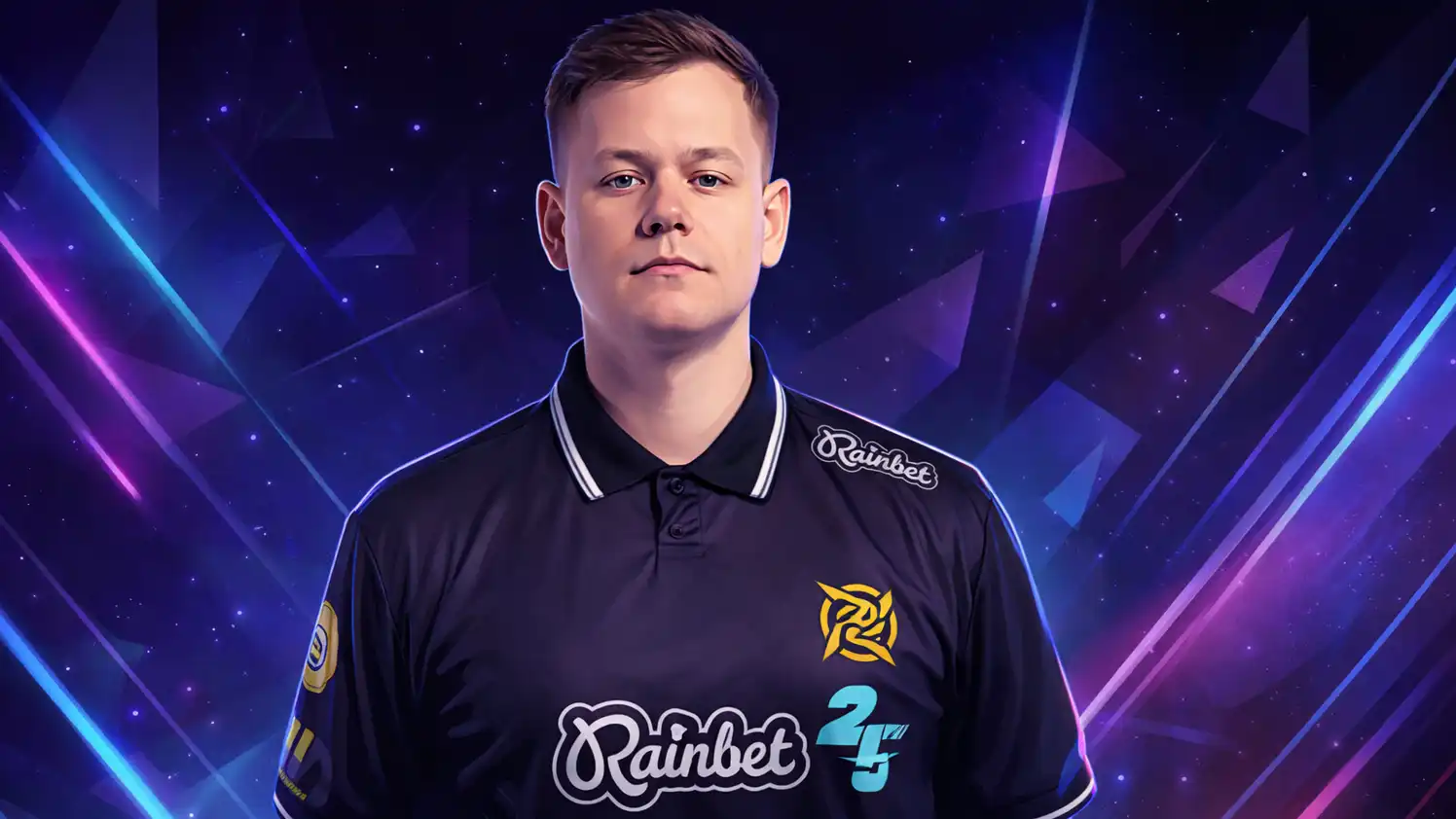

NiP let a major opening slip away as PARIVISION edge a tense BLAST Rotterdam series

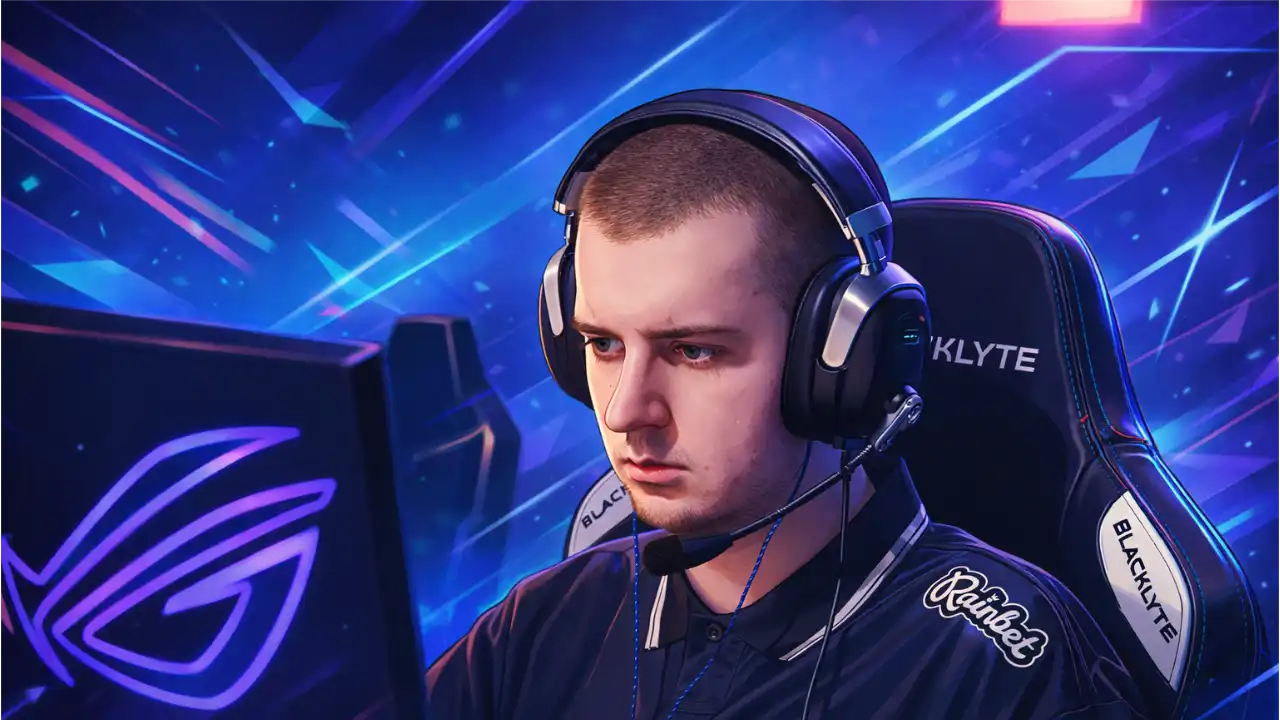
NiP let a major opening slip away as PARIVISION edge a tense BLAST Rotterdam series
Ninjas in Pyjamas came into BLAST Open Rotterdam knowing that every meaningful win now carries extra weight. With the IEM Cologne Major invitation cutoff set for April 6, 2026, the race for places via the Valve Regional Standings has entered its decisive stretch, and the margin for error is shrinking fast. That is why NiP’s narrow 1-2 defeat to PARIVISION on March 19 feels bigger than a normal upper-bracket loss: it was the kind of result that could have materially changed their standing in Europe at exactly the moment they needed it most.
The match itself was close enough to make the missed opportunity sting. PARIVISION took the series after winning Ancient 13-11, dropping Mirage 6-13, and then recovering on Dust2 13-8. According to HLTV’s match record, NiP removed Inferno, PARIVISION removed Nuke, NiP selected Ancient, PARIVISION chose Mirage, and Dust2 was left as the decider. It was not a blowout decided by one terrible map; it was a competitive best-of-three in which the key moments consistently tilted toward the higher-ranked side.
NiP had genuine chances to turn the series in their favor. Kacper “xKacpersky” Gabara delivered the standout individual performance on Ancient, where HLTV described his effort as a 30-bomb, but it still was not enough to convert NiP’s map pick. The Swedish organization did answer back impressively on Mirage, producing a flawless T side to level the series, with Artem “r1nkle” Moroz playing a central role in that recovery. But on Dust2, PARIVISION flipped the script after trailing 6-8, closing the map with a strong defensive half to secure the series.
That final map is where the broader significance becomes unavoidable. HLTV reported that NiP were sitting at a projected 15th place in Europe for the Cologne Major race, with 17 European spots available, and that a win over fifth-ranked PARIVISION would have moved them up by more than 70 points and several positions deeper into invite territory. In other words, this was not simply a respectable loss to a stronger team. It was a match that could have changed the shape of NiP’s spring.
The tournament context explains why the stakes are so high. BLAST Open Rotterdam features 16 teams: 12 invited through the Global VRS and four regional qualifiers, one from each major region. NiP reached the event through the European Rising qualifier rather than a direct VRS invitation, while PARIVISION arrived as one of the top invited teams. The format gives group winners direct passage to the semifinals, while the second- and third-placed teams from each group advance to the quarterfinals. Reaching the upper bracket and then failing to convert against a direct rival in the rankings therefore carries both competitive and ranking consequences.
There is also a financial layer that matters for VRS calculations. HLTV’s event guide lists BLAST Open Rotterdam’s total purse at $1.1 million, split into $400,000 in player share and $700,000 in club share. The placement structure is steep: teams finishing 5th-6th receive $20,000 player share and $55,000 club share, while teams ending 9th-12th get $7,500 player share and $25,000 club share. Since prize earnings are part of what shapes the VRS picture around ranked events, failing to lock in a better finish is not just a lost payday; it can also translate into weaker ranking momentum. That is the deeper meaning behind the idea that NiP “missed out on a big VRS payout.”
This defeat is even more frustrating because NiP had only just revived their Major hopes. Three days earlier, they won Roman Imperium Cup VI, beating OG in the final after victories over Gaimin Gladiators and Alliance in the playoffs. HLTV reported that the title was worth 97 VRS points, enough to push NiP up 11 places in the global ranking and into 17th on the predicted list for the final European Cologne spot at that time. Before that event, NiP had slipped out of invite range after an uneven start to 2026 that included an early exit from ESL Pro League Season 23. Rotterdam was supposed to be the next step in that recovery. Instead, the team has been thrown back into survival mode.
The wider scene shows just how seriously teams are treating the VRS race. Valve’s Major supplemental rules now allocate all 32 Major places directly through the Valve Regional Standings—16 to Stage 1, 8 to Stage 2, and 8 to Stage 3—which has made every ranked LAN matter more. That pressure is already affecting team decisions elsewhere. HLTV recently reported that Imperial withdrew from PGL Bucharest 2026 to “prioritize the Major race,” even though Bucharest itself is a $1.25 million ranked LAN running from April 4 to April 11. When organizations are willing to pass on that event in order to optimize their Major chances, it underlines how costly a missed opportunity like NiP’s loss to PARIVISION can become.
NiP are not eliminated from anything yet. HLTV noted that they still have a route back through the lower bracket, where their next opponent would be the loser of Spirit vs. Liquid. But the margin is thinner now. The Roman Imperium victory reopened the door; the loss to PARIVISION stopped them from kicking it wider. In a VRS system where direct Major access depends on constantly adding quality wins, prize value, and ranked-event progress, that may end up being the difference between merely staying in the conversation and actually securing the invite.
Related News