
LNZ: “We are still lacking some experience in big games like this”

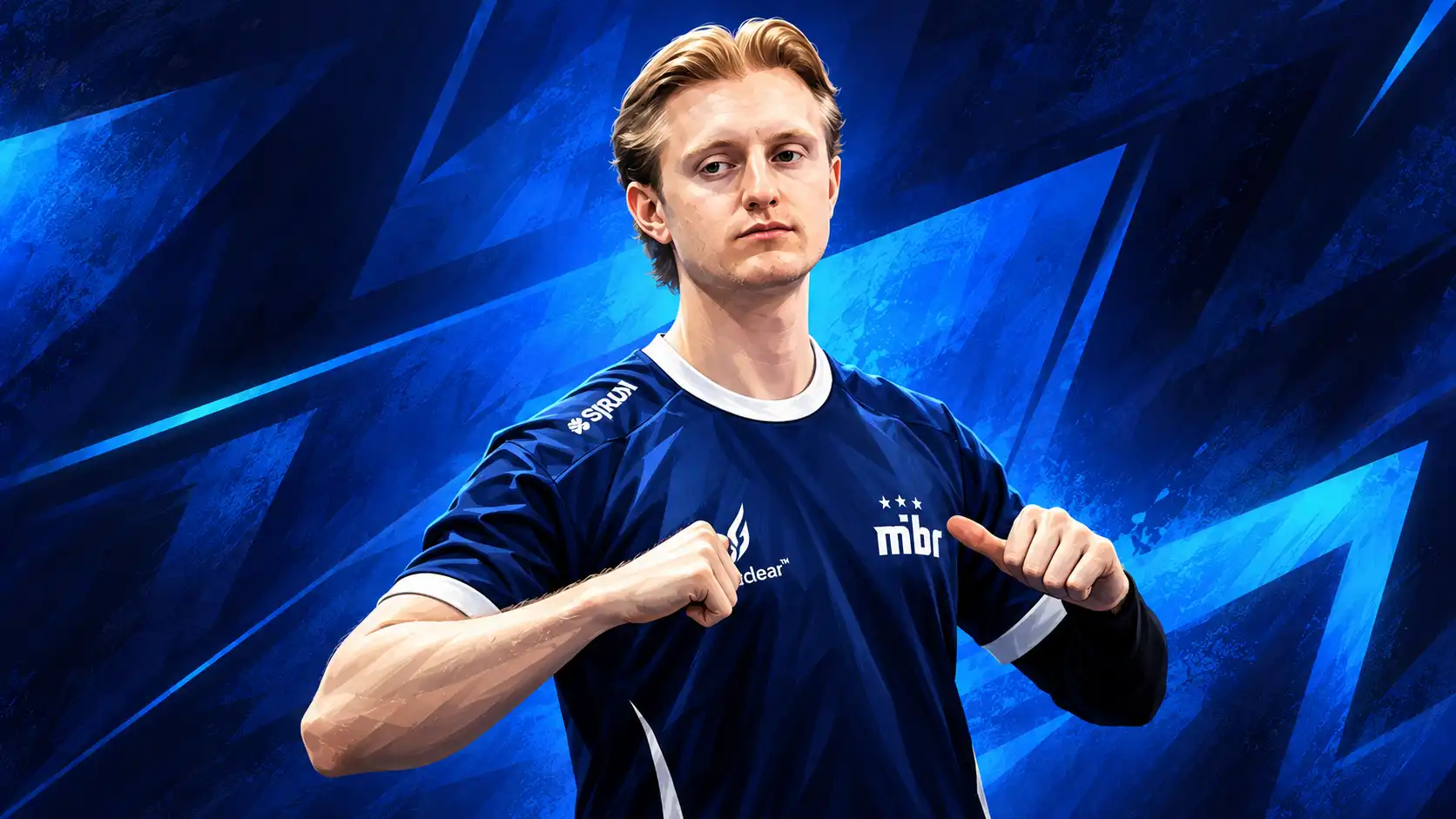
MIBR captain Linus “LNZ” Holtäng believes his team’s lack of experience in high-pressure matches remains one of the biggest obstacles for their new lineup after a painful 2-1 semifinal defeat to Legacy at FISSURE Playground 3.
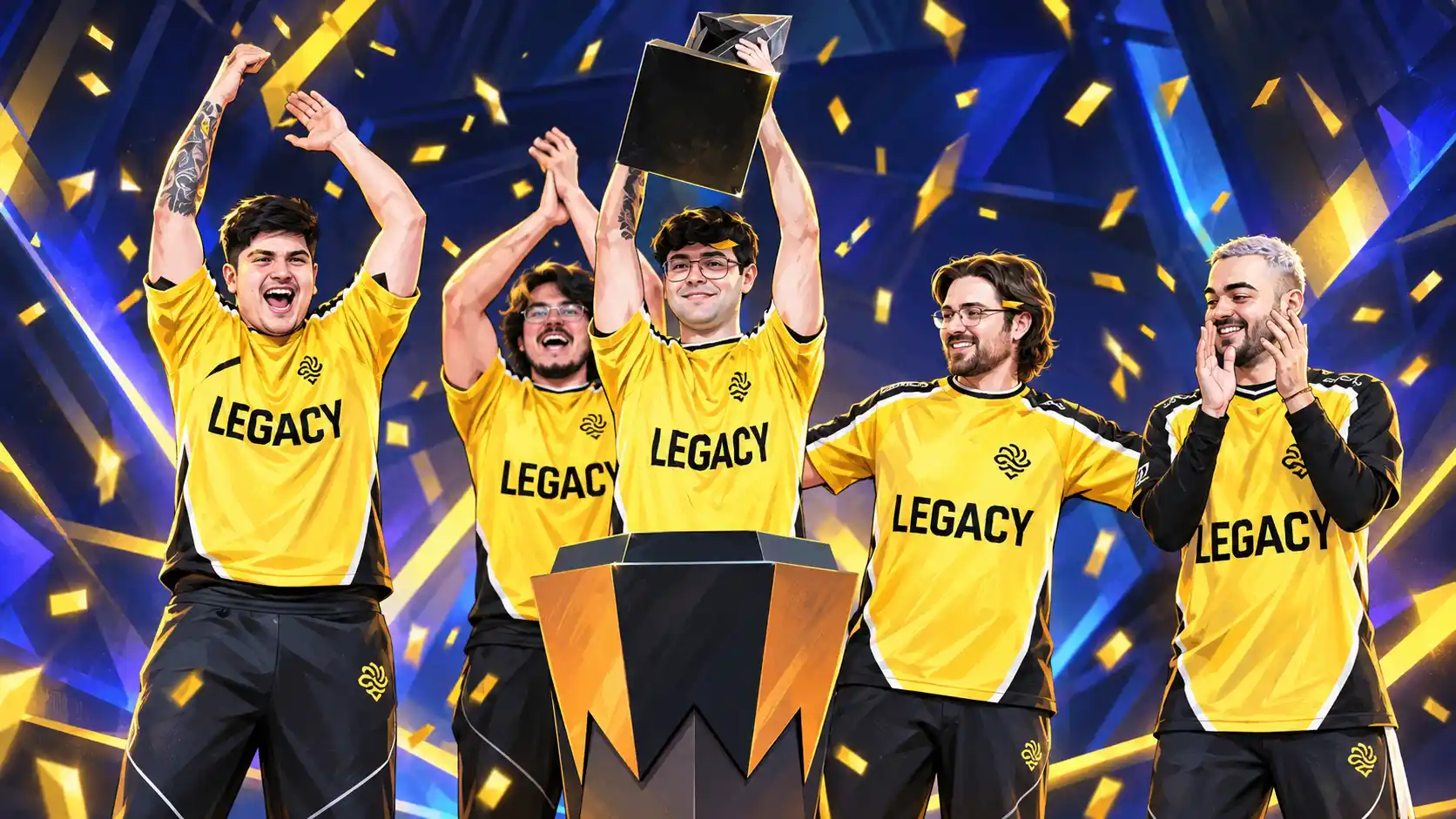
MIBR came within touching distance of their first grand final with the current five, but Legacy recovered to win Nuke 13-10, dropped Ancient 11-13, and then survived an overtime battle on Inferno 16-14. The deciding map ended in particularly brutal fashion for MIBR, with Legacy overturning a 2v5 in the final round of overtime.
For LNZ, the defeat exposed something that cannot be solved by preparation alone.
“I think we are still lacking some experience in big games like this. This was the first semi-final we've played with this lineup, and maybe none of us had the kind of individual day we usually have. They were hitting harder shots and making fewer mistakes than us at the end of the day.”
The numbers support the captain’s assessment of an uneven individual showing. tomaszin was MIBR’s best performer across the series with a 1.15 rating and 56-54 K-D, while nqz finished at 1.14. insani was held to a 1.00 rating, while LNZ recorded a 0.88 rating with 46 kills and 62 deaths. venomzera struggled most heavily, ending the series at 0.69.
MIBR got close — but could not finish the job
The semifinal was another reminder that MIBR’s ceiling and their ability to consistently reach it are currently two different things.
They had already shown their potential in Suzhou. MIBR opened FISSURE Playground 3 by beating The MongolZ 2-1 and followed it with a convincing 2-0 victory over 9z. A 0-2 loss to BETBOOM interrupted that run, but MIBR recovered by eliminating Alliance 2-0 in the quarter-final before meeting Legacy.
That gave them a 3-1 series record before the semifinal and put the new lineup within one victory of a tournament final.
Legacy proved to be a different type of test.
MIBR's problems were not simply about being outclassed from the beginning. They were competitive throughout the series and responded to losing Nuke by taking Ancient, where LNZ himself bounced back with a 1.22 rating, 90.2 ADR and 28-33 K-D. But his series was also highly volatile: he had posted just a 0.54 rating on Nuke before recovering on Ancient.
That inconsistency was mirrored by MIBR as a whole. Their best periods were good enough to challenge Legacy; sustaining that level when the series reached its highest-pressure moments was the problem.
“We just need to go through some trial and error”
MIBR are still operating with a lineup that has had little time to settle.
LNZ pointed specifically to tomaszin's recent arrival and the team's limited time together with nqz when discussing why early-round advantages did not always become round wins.
“I think with tomaszin still new to the team, and because we haven't played that much with nqz, it's still difficult to play these situations perfectly. But I think we're getting there. We just need to go through some trial and error, and we'll learn from it before the next event.”
That distinction is important.
MIBR are already capable of creating advantageous situations against strong opposition. Against Legacy on Nuke, for example, they won the opening-kill battle 14-9, according to the interview. The issue was what happened afterwards: Legacy were better at turning chaotic late-round situations into victories.
LNZ does not see preparation time as the central problem. Instead, he believes MIBR need more repetitions together before reactions in difficult situations become instinctive.
“It's more that we haven't played much with the new lineup, and we need to get better at playing together and knowing how to react in different situations.”
That is a more significant issue than learning a handful of new setups. Mid-round chemistry, trading patterns and reactions to unexpected situations are difficult to accelerate, particularly for a roster trying to compete immediately against established international opposition.
LNZ’s individual numbers leave room for improvement
The captain's own form also gives context to his admission that MIBR did not have their usual individual level in the semifinal.
LNZ finished FISSURE Playground 3 with a 0.88 rating across 12 maps, averaging 0.56 kills and 0.72 deaths per round. Over the past three months, his rating sits at 0.95 across 43 maps, with 0.59 kills and 0.69 deaths per round.
Those figures are naturally viewed through the context of his role as MIBR's captain rather than as one of the lineup's primary fraggers, but they still show how much of the team's firepower burden falls elsewhere.
The Legacy series illustrated that dependence. tomaszin and nqz were MIBR's only players above a 1.10 rating across all three maps, while Legacy had n1ssim at 1.32 and latto at 1.29. Both Legacy players also finished comfortably positive, at 58-48 and 60-43 respectively.
For MIBR to consistently convert deep tournament runs, their five-player floor will have to rise alongside the development of their system.
“Today we felt closer than ever to beating them”
Few opponents are better placed to measure MIBR's progress than Legacy.
The semifinal was already the seventh meeting between the teams in 2026, according to the interview, although MIBR's lineup has evolved during that period.
LNZ described Legacy as particularly difficult to prepare for because of their ability to create something from seemingly lost rounds.
“I think they're a bit of a joker in a way. They can pull out any round at any time, they're always really tough to play against, and they have really strong individuals. It's always a difficult game, and you can't always read them.”
That unpredictability became painfully relevant in the deciding moments of Inferno.
Still, LNZ saw progress in how MIBR approached the matchup.
“Maybe today we felt closer than ever to beating them compared to the other times we've lost. We also tried to approach our game plan a little differently this time, and I think it worked. But at the end of the day, we still didn't convert all the situations.”
The final score makes that assessment difficult to dismiss. A 16-14 deciding map, settled only in overtime after MIBR had opportunities to close the series, is a much narrower margin than a straightforward defeat.
The concern is that MIBR's progress now has to translate from being competitive in these matches to actually winning them.
A promising run despite the semifinal disappointment
The Legacy defeat should not erase what MIBR accomplished in Suzhou.
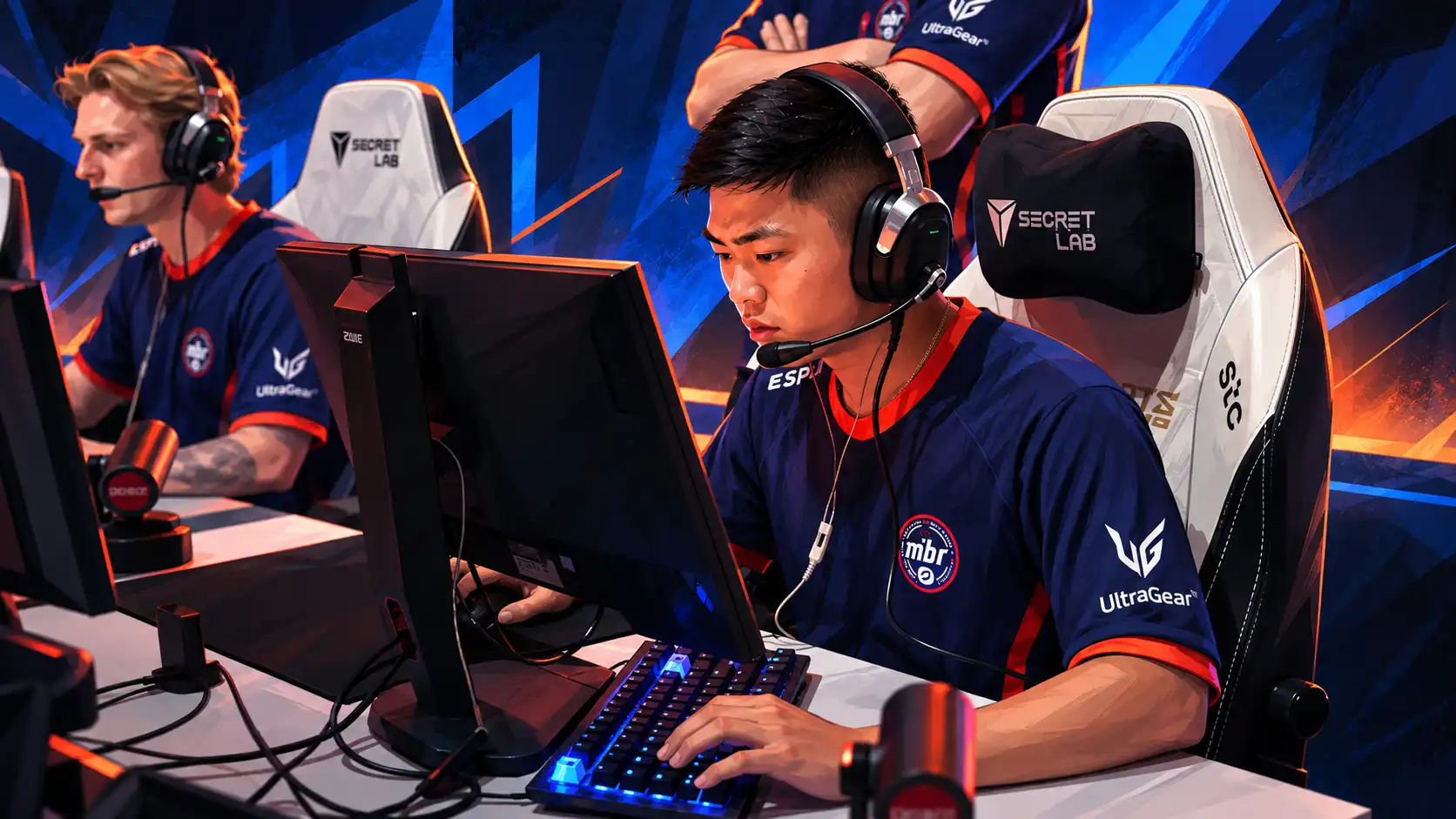
They finished FISSURE Playground 3 in the 3rd-4th place bracket after winning three of their five series. Their victories came against The MongolZ, 9z and Alliance, while their two defeats were against BETBOOM and Legacy.
For a lineup still integrating tomaszin and developing its chemistry, reaching the semifinals gives MIBR something tangible to build on.
It also makes LNZ's comments about experience more relevant. The team has demonstrated that it can reach the later stages of a significant international LAN. The next question is whether repeated exposure to those situations will solve the late-round mistakes that cost them against Legacy.
There will not be much time to wait for an answer.
FURIA await at StarSeries Fall
MIBR's next LAN begins on September 17 at StarLadder StarSeries Fall 2026 in Barcelona, an eight-team, $500,000 tournament featuring MOUZ, Vitality, FURIA, Natus Vincere, Aurora, magic and NRG alongside MIBR.
Their opening assignment is already confirmed: FURIA in the upper-bracket quarter-final on September 17.
It is precisely the type of matchup that should test LNZ's argument.
MIBR leave Suzhou having shown they can compete deep into an international tournament, but their semifinal demonstrated how narrow the margin becomes once matches reach playoff pressure. Against Legacy, creating opportunities was not enough.
With another LAN arriving almost immediately, LNZ and MIBR now have the chance to show how quickly that “trial and error” can turn into victories.
Related News