
Jame Explains PARIVISION’s Poor Results: “We Expected the Slump”
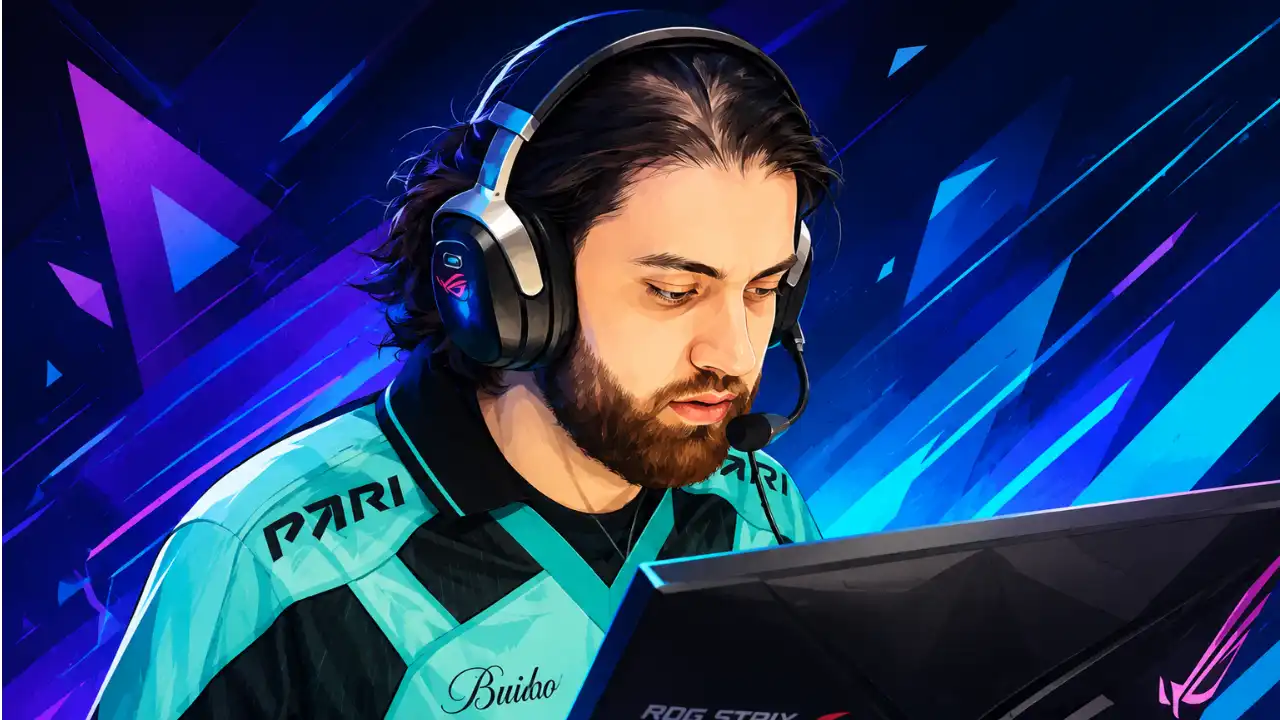
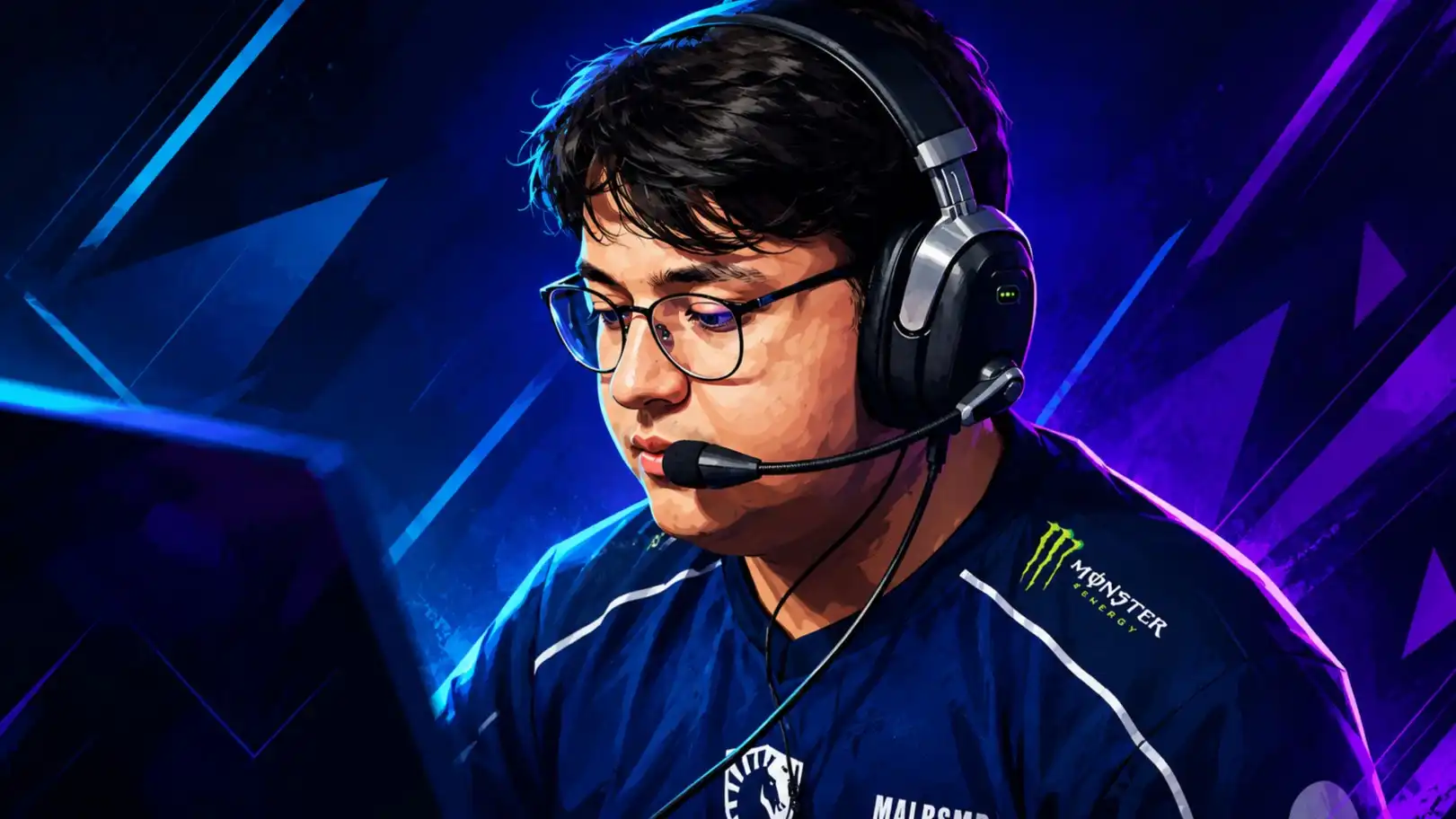
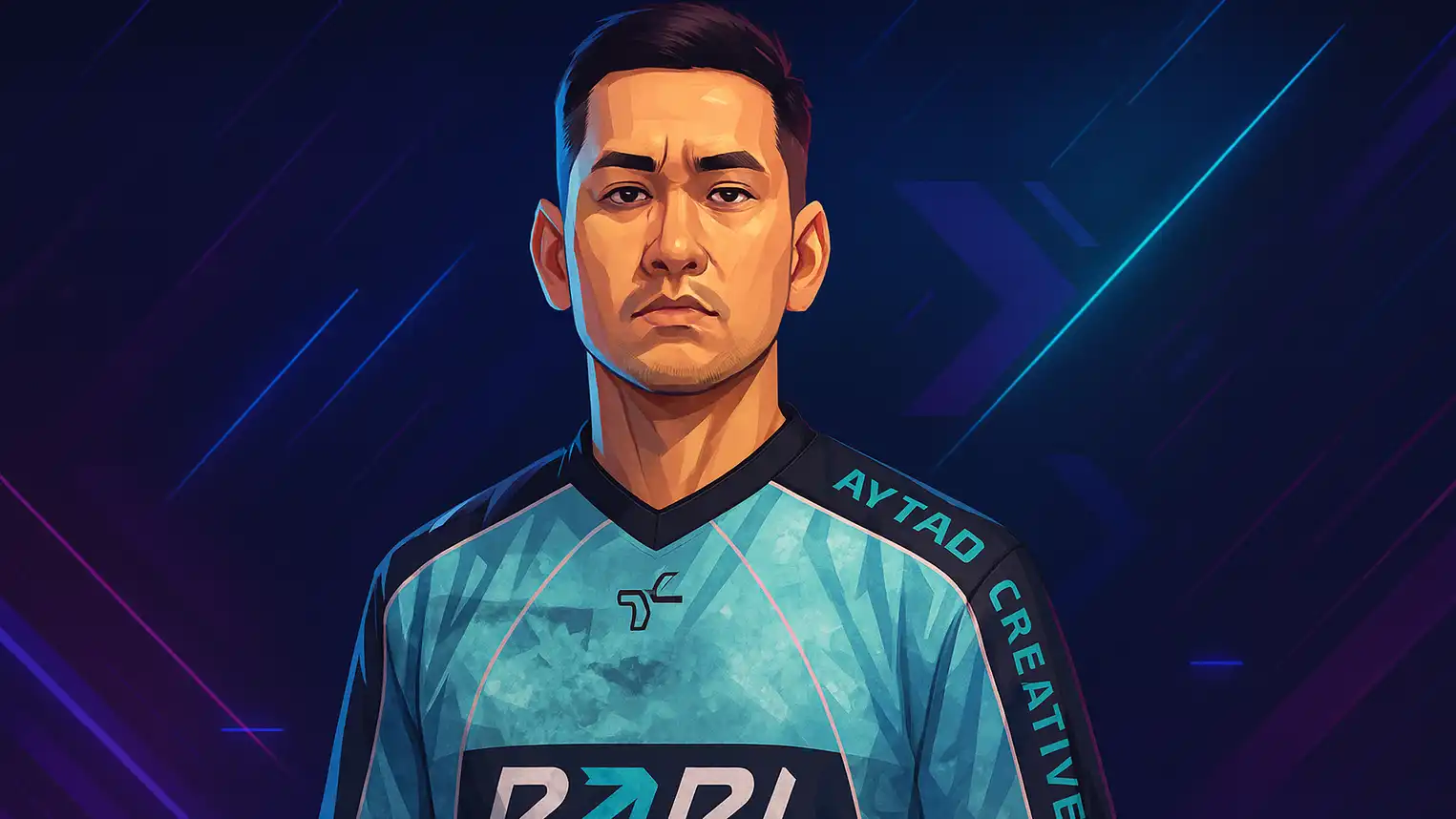
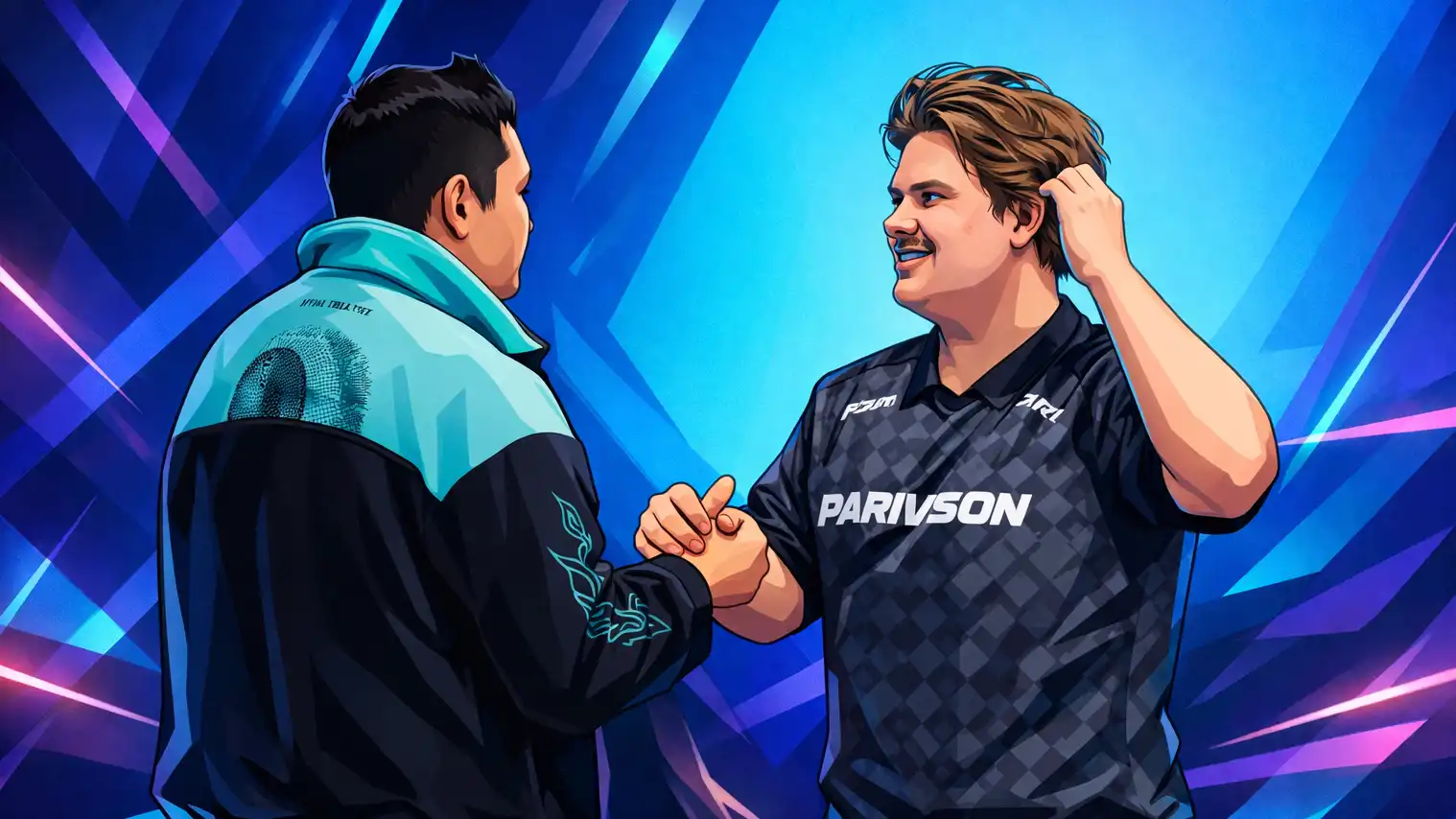
PARIVISION captain Dzhami “Jame” Ali has admitted that the team expected a decline in form sooner or later and therefore is not panicking over its recent results. In an interview with HLTV after PARIVISION’s early elimination from PGL Astana 2026, the experienced in-game leader said the squad understands that instability is a natural part of building a new top-level roster and that the current struggles were anticipated internally.
PARIVISION arrived at PGL Astana hoping to stabilize after several inconsistent tournament performances, but the event ended in disappointment. The team exited during the group stage following a defeat against G2, continuing a difficult stretch that has raised questions about the roster’s long-term prospects. Despite the poor run of results, Jame insisted there is no sense of panic inside the team. According to him, the players were mentally prepared for a downturn after the initial excitement surrounding the lineup faded.
Jame explained that building a successful tier-one Counter-Strike team takes significantly more time than many fans expect. He noted that players need to discover not only how to function together tactically, but also whether they truly enjoy playing in the system and understand their collective identity. The veteran AWPer described PARIVISION as a roster still “in search of itself,” emphasizing that the process of development inevitably includes setbacks.
The comments reflect a broader trend currently visible across the competitive Counter-Strike scene. Several teams have struggled to find consistency after major roster changes in late 2025 and early 2026. HLTV interviews with other professional players in recent weeks have highlighted similar issues, including unstable lineups, lack of cohesion, and difficulties adapting to new structures. Passion UA’s JT recently described his own team as being “in limbo” after repeated roster changes and disappointing LAN performances throughout 2026.
For Jame personally, the situation is especially significant because the current PARIVISION project represents a new chapter in his career following the end of his long tenure with Virtus.pro. The Russian star spent years building VP into one of the world’s most recognizable Counter-Strike teams, leading the organization to victory at the IEM Rio Major in 2022 and earning recognition as one of the scene’s most unique tactical minds.
However, the final period of Jame’s time in Virtus.pro was marked by stagnation and mounting criticism. In December 2024, the organization officially benched him after an underwhelming season that concluded with an early exit from the Shanghai Major. The move effectively ended a five-year partnership between Jame and VP.
Since then, Virtus.pro itself has experienced severe instability. Reports throughout 2025 and 2026 documented multiple roster rebuilds, controversial transfer decisions, and disappointing results. In early 2026, the organization transfer-listed FL1T and fame after what HLTV described as a “disastrous start” to the season.Earlier this year, Perfecto was also benched after the team failed to meet internal expectations. Community discussions on Reddit frequently pointed to the organization’s constant roster shuffling as one of the main reasons behind its collapse after Jame’s departure.
At the same time, some analysts and fans have started reassessing Jame’s legacy. While his slow tactical style was often criticized during the CS:GO era, many community members now argue that his leadership was the factor holding together several otherwise inconsistent lineups. Discussions on Reddit in recent months have described him as an underrated captain whose structure and discipline allowed Virtus.pro to remain competitive for years despite limited firepower compared to elite international rosters.
Jame himself has repeatedly shown awareness that modern Counter-Strike is changing rapidly. In a previous HLTV interview from 2025, he admitted he might eventually move away from the traditional AWP role and adapt his style if necessary, acknowledging the increasing importance of aggressive riflers and faster-paced gameplay in CS2.
PARIVISION’s current struggles therefore appear to be part of a larger rebuilding process rather than an unexpected collapse. The organization assembled the project with long-term ambitions, but the team has yet to establish the consistency required to compete regularly against elite opponents. Jame’s latest comments suggest the roster remains focused on gradual improvement instead of immediate success.
For now, PARIVISION faces the difficult task of proving that patience will eventually pay off. In today’s Counter-Strike environment, where organizations frequently rebuild after only a few disappointing tournaments, Jame’s calm response stands out. Rather than treating poor results as a disaster, he views them as a predictable stage in the evolution of a young roster still searching for its identity.
Related News