
FISSURE Cancels Three CS2 Events Amid Scheduling Conflicts and Player-Break Concerns

FISSURE Cancels Three CS2 Events Amid Scheduling Conflicts and Player-Break Concerns
The Counter-Strike tournament calendar has taken another hit after tournament organizer FISSURE confirmed the cancellation of three planned CS2 events, citing scheduling conflicts and concerns about competitive quality during the player break.
The announcement affects one event planned for April 2026 in Shenzhen, China, as well as two additional tournaments scheduled for July 2026 and July 2027. The decision highlights ongoing issues with the increasingly crowded Counter-Strike 2 tournament schedule, which many teams and players have criticized for leaving little room for rest and travel.
Why FISSURE Cancelled the April 2026 Shenzhen Event
The April 2026 tournament was originally planned to take place shortly before IEM Rio 2026, creating what FISSURE described as a “logistical conflict.”
With IEM Rio scheduled for April 13–19, 2026, the Shenzhen event would have concluded just one day before the Brazilian tournament began. Such a tight schedule would have required teams to travel across continents with almost no preparation time.
For elite teams competing in multiple international events, the timeline made it highly unlikely they could attend both tournaments without compromising performance.
The cancellation underscores a recurring issue in the CS2 esports ecosystem: overlapping events and limited downtime for teams.
July Events Cancelled Due to Player-Break Issues
FISSURE also scrapped two tournaments scheduled for July 2026 and July 2027, both of which were meant to take place during the mid-year Counter-Strike player break.
According to the organizer, events held during this period struggle to attract top-tier teams and fail to deliver the level of competition and spectacle the company aims to produce.
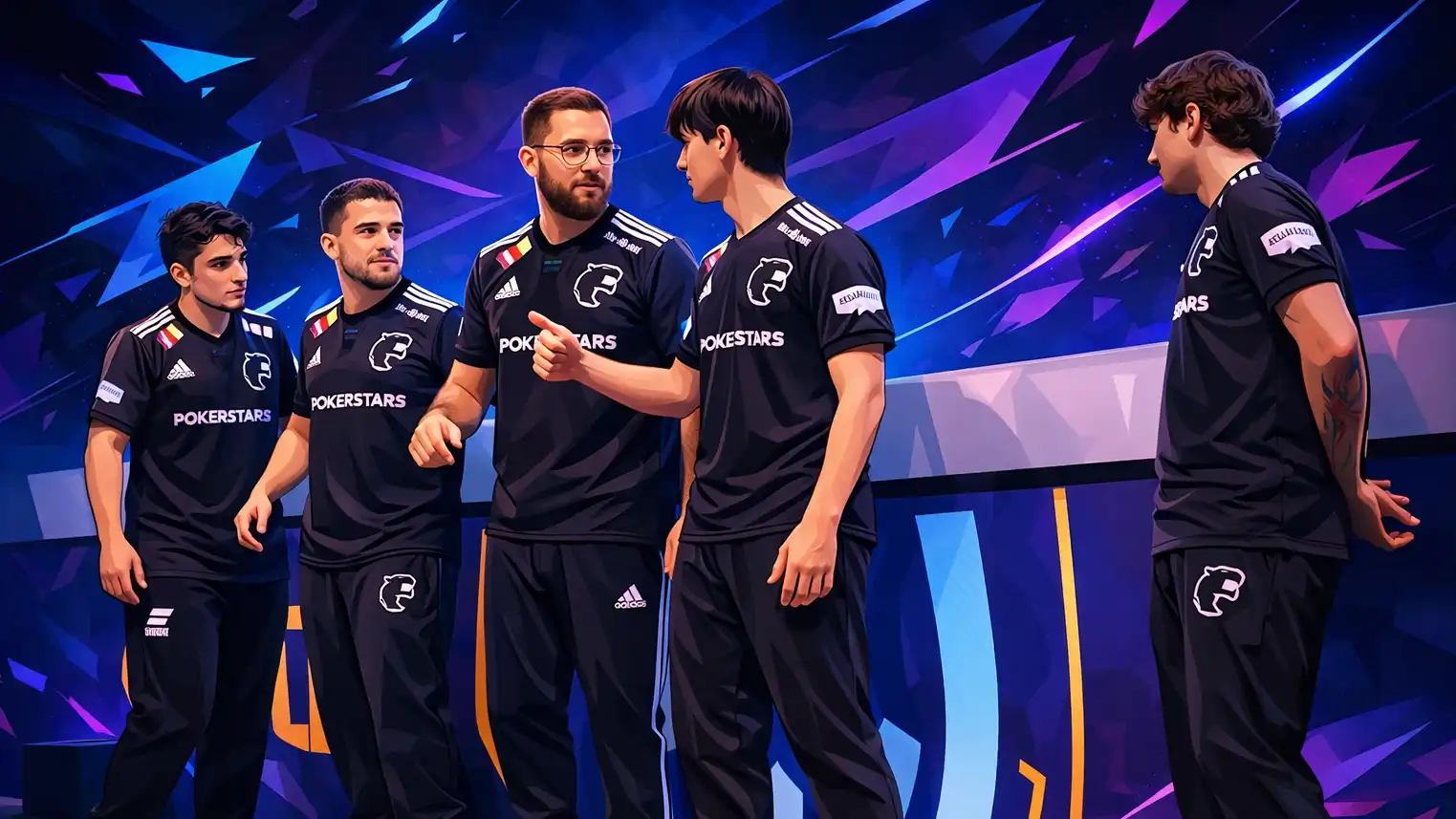
The decision was influenced by FISSURE’s experience with FISSURE Playground 1 in July 2025, which featured only one top-10 team at the time — FURIA.
Without consistent participation from elite rosters, tournaments risk losing prestige, viewership, and competitive credibility.
The CS2 Calendar Problem
The cancellation adds fuel to ongoing debate about calendar congestion in Counter-Strike 2 esports.
Professional teams frequently travel between continents with minimal rest time between events. Several players have publicly spoken about the intense schedule and the mental fatigue that comes with constant competition.
For example:
G2 player MATYS described the rarity of time off after a long tournament stretch, saying:
“After a long time, we’re going to have two, three days off. It feels like Christmas.”
Gentle Mates captain alex also highlighted the demanding schedule during the 2026 season:
“We’ve had only two days off in the season… I can feel the team is a little bit tired.”
NAVI star jL previously noted the effects of back-to-back events:
“We’re all fatigued… sometimes you need a little break.”
These comments echo concerns across the professional scene that CS2’s packed calendar may be unsustainable long-term.
FISSURE’s Original Plans for 2026
Earlier announcements indicated that FISSURE planned three major LAN tournaments in 2026, part of the company’s growing Counter-Strike circuit.
The schedule included:
-
FISSURE Playground 3 — April 21–26, 2026
-
FISSURE Playground 4 — July 13–19, 2026
-
FISSURE Playground 5 — September 7–13, 2026
With the recent cancellations, the September 2026 Shenzhen event now stands as the primary remaining CS2 tournament in FISSURE’s 2026 lineup.
Remaining Events Still Planned
Despite cancelling three tournaments, FISSURE stated that the rest of its previously announced events remain on schedule.
However, analysts have pointed out that even the September Shenzhen event could face scheduling challenges. It is currently planned to begin the day after BLAST Open Season 2 ends, which could again complicate attendance for top teams.
What This Means for the Counter-Strike 2 Esports Scene
FISSURE’s decision reflects broader structural issues affecting the CS2 competitive ecosystem:
-
A crowded international tournament calendar
-
Travel and fatigue concerns among professional players
-
Difficulty attracting top teams during official player breaks
As organizers compete for space on the global esports calendar, more adjustments — and potentially more cancellations — may occur in the coming years.
For fans and teams alike, the situation highlights the growing need for better coordination between tournament organizers to ensure the long-term sustainability of Counter-Strike esports.
Related News
.webp)