
Dastan Explains Why Top Teams Fell Early in BLAST Bounty Summer 2026


The opening stage of BLAST Bounty Summer 2026 delivered one of the most surprising stretches of results in the Counter-Strike 2 calendar, with several established teams eliminated earlier than expected. According to comments from Dastan, the unexpected exits were not simply caused by bad luck — the tournament format, preparation differences, and motivation factors all played a role.
The experienced coach explained why the BLAST Bounty Summer 2026 format creates unique conditions where lower-ranked teams can challenge the world’s best squads.
Quick Summary
| Topic | Details |
|---|---|
| Event | BLAST Bounty Summer 2026 |
| Main discussion | Why top teams suffered early eliminations |
| Analyst/coach | Dastan |
| Game | Counter-Strike 2 |
| Main factors | Tournament format, preparation, motivation, underdog opportunities |
| Source | Cybersport.ru report based on Dastan’s comments |
What Happened in BLAST Bounty Summer 2026?
The early rounds of BLAST Bounty Summer 2026 produced a wave of unexpected results as several highly ranked teams failed to survive against opponents considered weaker on paper.
The tournament’s bounty-based structure creates a different competitive environment compared with traditional CS2 events. Instead of a long group stage where teams can recover from mistakes, squads face immediate pressure in elimination matches.
The online stage featured a 32-team single-elimination format, with teams competing for bounty rewards. The structure was designed to encourage aggressive matchups and give lower-seeded teams opportunities to challenge favorites.
Dastan explained that these conditions naturally increase the possibility of major upsets. Teams entering as favorites often have more pressure, while challengers can play with fewer expectations.
Dastan’s Explanation: Why Favorites Failed

Rising CS2 teams continue closing the gap against established organizations in high-stakes tournament matches.
According to Dastan, several factors contributed to the unexpected results.
1. Underdogs Prepare Specifically for One Match
In traditional tournaments, top teams often prepare for multiple opponents and longer campaigns.
However, a single-elimination format changes priorities.
Lower-ranked teams can spend significant time studying one opponent, creating specific tactical plans designed to exploit weaknesses.
This approach can neutralize the individual skill advantage usually held by elite teams.
2. The Bounty Format Creates Additional Pressure
The unique BLAST Bounty system places more attention on high-ranked teams because they become valuable targets.
The better a team is ranked, the more attractive it becomes for opponents looking for a breakthrough victory.
Instead of simply playing to win, favorites also have to manage expectations and avoid becoming the tournament’s biggest upset story.
3. Competitive Form Changes Quickly in CS2
Dastan has previously highlighted that even elite teams can be vulnerable when preparation levels are not equal.
CS2 is a game where:
map pools change rapidly;
new rosters need time to develop;
tactical preparation can outweigh reputation;
momentum plays a major role.
A team with less international experience can still defeat a favorite if it arrives with a stronger game plan.
BLAST Bounty Summer 2026 Context
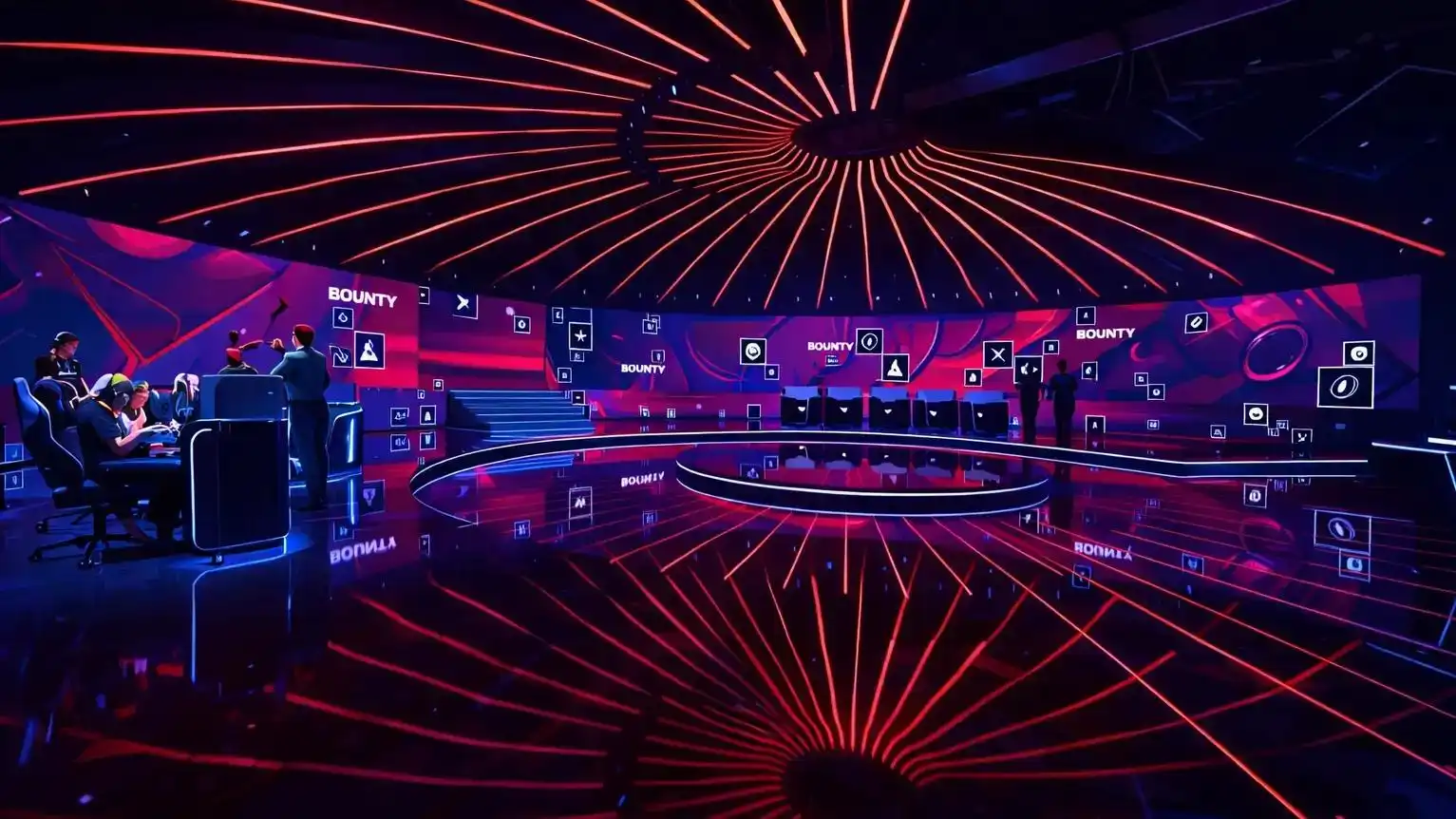
The BLAST Bounty format creates high-pressure matches where underdogs can challenge established CS2 favorites.
The tournament was built around creating more unpredictable matchups.
Unlike standard invitation-based events, BLAST Bounty emphasizes the bounty mechanic, where higher-ranked teams become targets and lower-ranked squads receive opportunities to challenge them.
The format has already produced memorable storylines, including previous success from teams such as PARIVISION, where Dastan helped guide the squad to a BLAST Bounty title earlier in 2026.
Timeline: BLAST Bounty Summer 2026 Developments
| Date | Event |
|---|---|
| July 2026 | BLAST Bounty Summer 2026 begins |
| Opening rounds | Several favorites suffer unexpected defeats |
| Tournament discussion | Community and analysts debate reasons behind the results |
| After eliminations | Dastan explains why the format creates more upset potential |
Key Details Table
| Category | Information |
|---|---|
| Tournament | BLAST Bounty Summer 2026 |
| Game | Counter-Strike 2 |
| Format | Single elimination with bounty mechanics |
| Main storyline | Top teams eliminated earlier than expected |
| Main explanation | Preparation differences and format pressure |
| Dastan’s role | Experienced CS2 coach and analyst figure |
Why This Matters for Competitive CS2
The results from BLAST Bounty Summer 2026 highlight a wider trend in professional Counter-Strike: rankings do not guarantee tournament success.
Modern CS2 competition has become increasingly competitive because:
tier-two teams have better preparation systems;
international scouting has improved;
tactical gaps between teams are smaller;
online tournaments provide more opportunities for surprises.
For developing teams, defeating a top opponent can become a turning point that improves confidence and reputation.
For favorites, early elimination can expose weaknesses before bigger events.
Tactical Impact: What Teams Can Learn
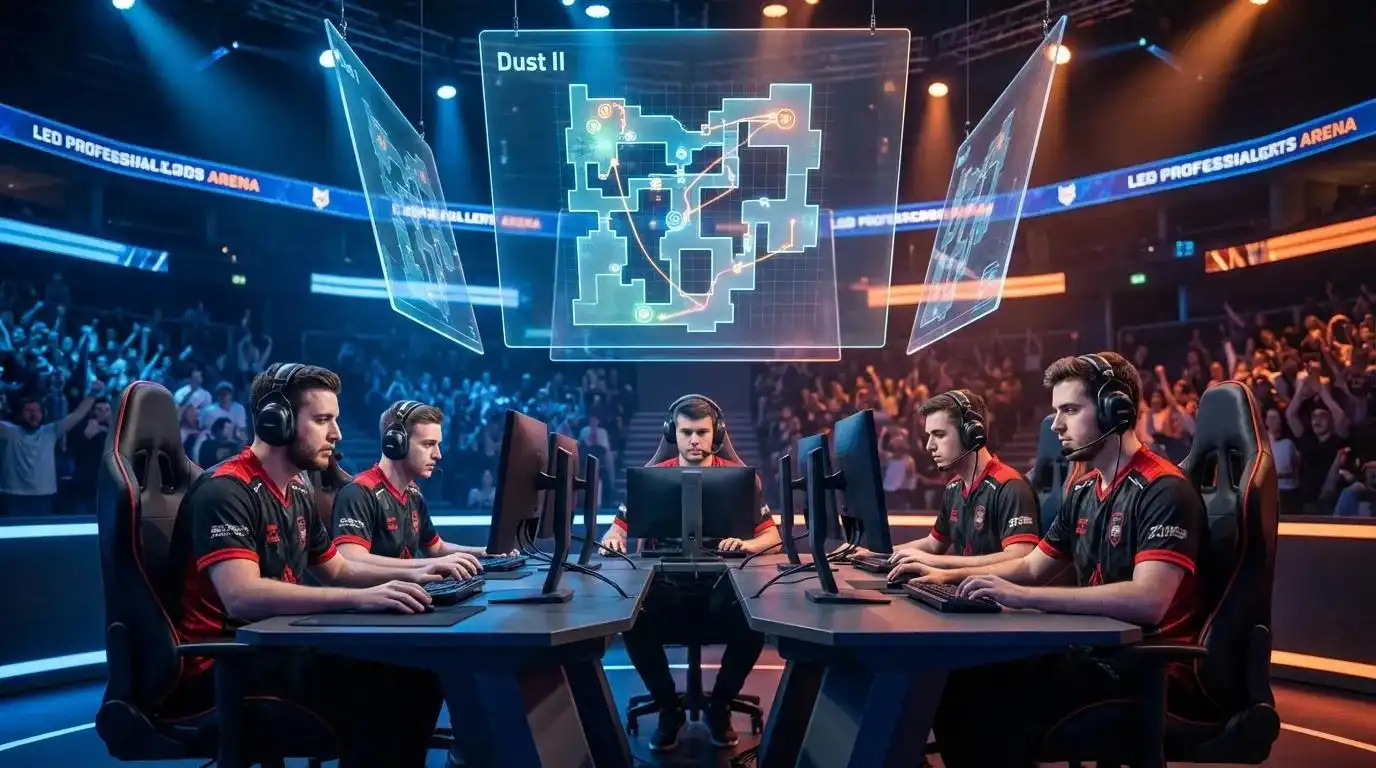
Modern CS2 success increasingly depends on preparation, scouting, and tactical adaptation.
The tournament provides several tactical lessons:
Favorites Must Adapt Faster
Top teams cannot rely only on superior aim or reputation. They need stronger preparation for opponents outside the usual elite circle.
Lower-Ranked Teams Are Becoming More Dangerous
The gap between tier-one and tier-two Counter-Strike continues to shrink.
Young players and developing organizations now have access to:
better coaching;
advanced demo analysis;
stronger practice environments.
Format Knowledge Matters
Understanding tournament rules and pressure situations has become an important competitive advantage.
Impact Analysis
Impact on Top Teams
Early exits create questions about:
current form;
preparation levels;
roster stability;
tournament priorities.
However, a single elimination event does not necessarily represent long-term decline.
Impact on Rising Teams
For challengers, BLAST Bounty Summer 2026 represents a valuable opportunity.
A victory against a major organization can provide:
ranking momentum;
confidence;
international recognition;
stronger future invitations.
What Changes Now?
Following the unexpected results, teams will likely focus on:
improving preparation against lower-ranked opponents;
expanding map pools;
avoiding tactical surprises;
maintaining competitive sharpness during breaks.
The remaining tournament stages will reveal whether the early upsets were isolated results or evidence of a broader shift in CS2 competition.
What to Watch Next
Fans should follow:
1. Can the remaining favorites recover?
Teams that survive difficult opening rounds may gain momentum heading into later stages.
2. Are new contenders emerging?
If underdogs continue winning, BLAST Bounty Summer 2026 could become a major milestone for rising organizations.
3. How will teams adjust?
The biggest question is whether elite teams change their preparation approach for future bounty-style events.
Related Teams, Players and Events
Dastan
Dastan Akbayev is one of the most experienced coaches in modern CS2 competition. His tactical approach and discipline-focused coaching style have been central topics throughout his career.
BLAST Bounty
BLAST created the Bounty format to introduce more competitive pressure and unpredictable matchups into professional Counter-Strike.
FAQ
Why did top teams lose in BLAST Bounty Summer 2026?
According to Dastan, the format gives underdogs more opportunities because they can prepare specifically for one opponent while favorites face additional pressure.
Is BLAST Bounty Summer 2026 different from normal CS2 tournaments?
Yes. The bounty system and elimination structure create more high-risk matches compared with traditional league formats.
Does an early elimination mean a team is declining?
Not necessarily. Single-elimination tournaments can produce unexpected results, and one match does not always reflect a team’s overall level.
Why are underdogs stronger in modern CS2?
Improved coaching, analytics, and preparation have reduced the gap between elite organizations and emerging teams.
What is Dastan known for?
Dastan is known as a tactical CS2 coach who has worked with top-level teams and helped develop structured approaches to competitive play.
Related News