

CS2 Ranked System Under Fire: Why Valve Must Rethink New Player Experience in Counter-Strike 2

CS2 Ranked System Under Fire: Why Valve Must Rethink New Player Experience in Counter-Strike 2
SEO keywords: CS2 ranked system, Counter-Strike 2 new players, CS2 Premier mode, CS2 matchmaking, Valve CS2 updates, CS2 competitive ranking, CS2 cheating issues
Counter-Strike 2 remains one of the most influential competitive shooters in esports, but its ranked ecosystem is increasingly criticized for being hostile to new players. As Valve prepares the next Premier season and updates the Active Duty map pool, concerns about onboarding, matchmaking clarity, and long-term player retention are once again at the center of the CS2 community discussion.
Industry analysts, professional players, and creators are now asking the same question: Is CS2’s ranked system designed for growth, or only for veterans?
CS2 Ranked Experience: High Skill Ceiling, High Entry Barrier
Unlike most modern competitive shooters, CS2 does not ease players into ranked play. Newcomers are required to:
Reach Sergeant Rank 10
Purchase Prime Status
Navigate map-based Competitive ranks
Endure seasonal recalibration and rank decay
Only then can they access Premier, the game’s flagship ranked mode.
According to Esports Insider, this structure creates confusion rather than progression. New players often feel they must “earn the right” to play meaningful ranked matches, instead of being guided through a clear competitive pathway.
Map-Based Ranking: A System That Punishes Learning
One of CS2’s most controversial design choices is map-specific Competitive ranking. While intended to encourage map mastery, it often results in the opposite effect:
New players spam one or two comfort maps
Broader fundamentals (utility, rotations, economy) develop slowly
Matchmaking quality varies wildly across maps
For beginners, this means progression feels inconsistent and unrewarding, especially when switching maps resets perceived skill.
Premier Mode: The Goalpost That Keeps Moving
Premier mode is positioned as CS2’s ultimate competitive experience, yet it remains locked behind time, grind, and money.
Seasonal resets further complicate the situation. When a season ends, large portions of the player base become unranked simultaneously, causing skill compression and chaotic matchmaking. For new or low-hour players, this often leads to matches against vastly more experienced opponents.
Pro Player Criticism Shapes Community Perception
Even players far below the professional level are influenced by how top competitors talk about the game.
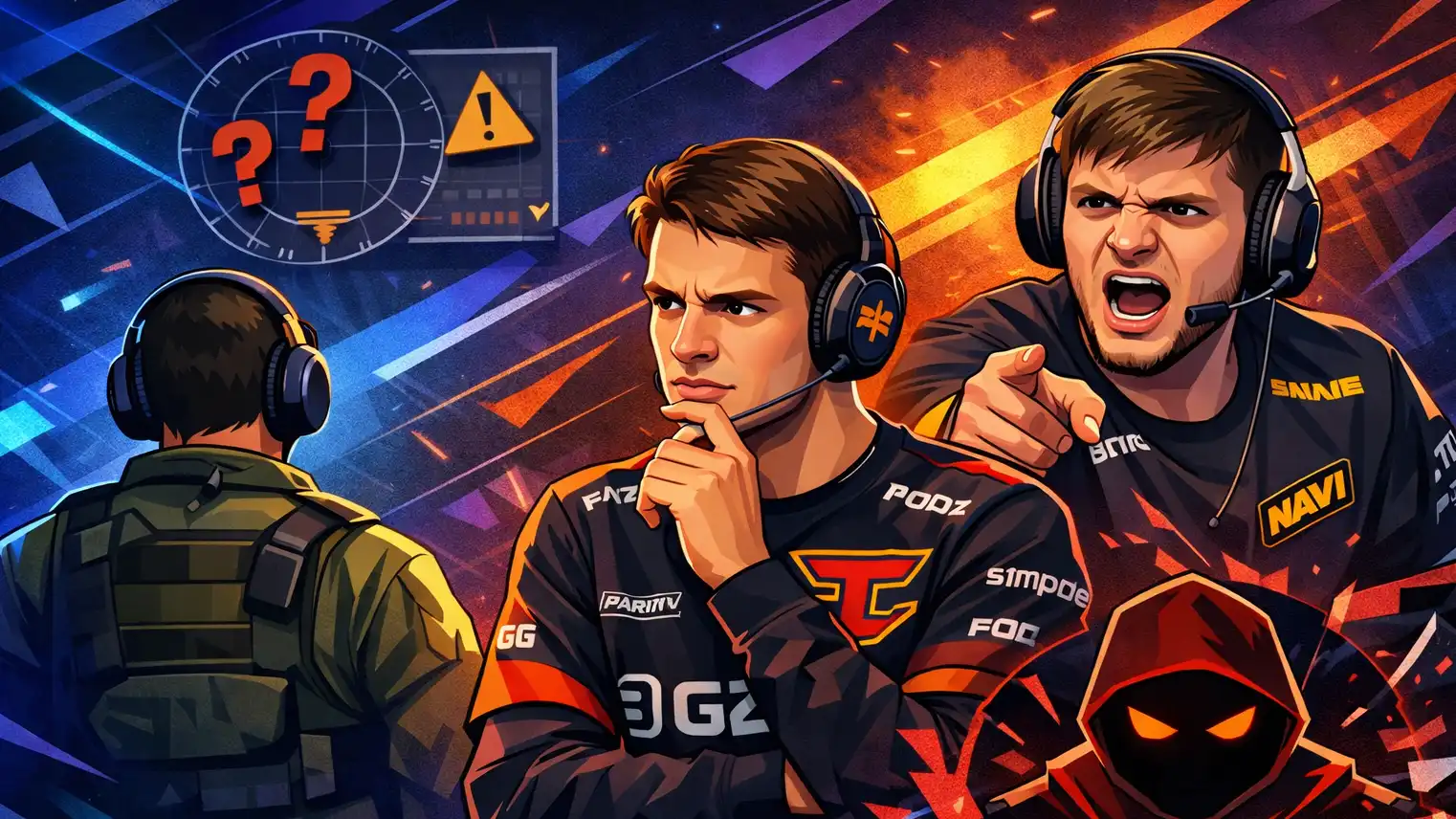
FaZe Clan’s Robin “ropz” Kool previously questioned CS2’s subtick system, stating that it “doesn’t feel as good as described,” and suggesting gameplay felt closer to lower tick environments during early CS2 iterations.
Former NAVI superstar Oleksandr “s1mple” Kostyliev echoed similar frustrations publicly, mocking the perceived responsiveness of the system shortly after CS2’s release.
While these comments targeted high-level play, they indirectly affect beginners. If the game’s most respected figures question competitive integrity, new players hesitate to invest time learning it.
Cheating Concerns Undermine Trust in Ranked Play
One of the most damaging issues for CS2’s ranked ecosystem is perceived cheating prevalence, particularly in Premier.
Multiple high-profile community figures have described Premier at higher CSR levels as “unplayable,” with reports of repeated encounters with suspicious accounts and limited visible enforcement. Even if new players are not directly affected early on, the belief that ranked integrity is compromised significantly reduces motivation to climb.
Trust is foundational to competitive systems, and once lost, it is difficult to rebuild.
Related CS2 Updates That Intensify the Debate
Several verified developments make this discussion especially relevant right now:
Premier Season 3 ends on January 19, with medal requirements tied to participation
Active Duty map pool update: Anubis replaces Train
Continued adjustments to matchmaking and seasonal structure without major onboarding changes
For experienced players, these changes are routine. For newcomers, they represent yet another shifting system to learn before they can compete seriously.
What Valve Could Improve Without “Casualizing” CS2
The solution is not to simplify Counter-Strike’s core mechanics. Instead, experts argue Valve should focus on clarity and structure, especially in the first 50–100 hours of play.
Key improvements could include:
A structured in-game onboarding path covering economy, utility usage, and positioning
A rookie-ranked environment with reduced volatility and limited resets
Softer rank decay rules for low-hour or low-CSR accounts
Transparent explanations of CSR changes, recalibration logic, and matchmaking decisions
These changes would not lower the skill ceiling, but they would make the climb feel achievable rather than punishing.
Why This Matters for CS2’s Future
Counter-Strike thrives on longevity. However, longevity depends on new players becoming long-term competitors, not just spectators.
If CS2 continues to prioritize legacy players without addressing onboarding friction, it risks stagnation. With rivals offering clearer ranked progression and stronger early guidance, Valve faces increasing pressure to modernize the competitive experience — without compromising what makes Counter-Strike unique.
CS2 does not need to be easier. It needs to be clearer.
Related News