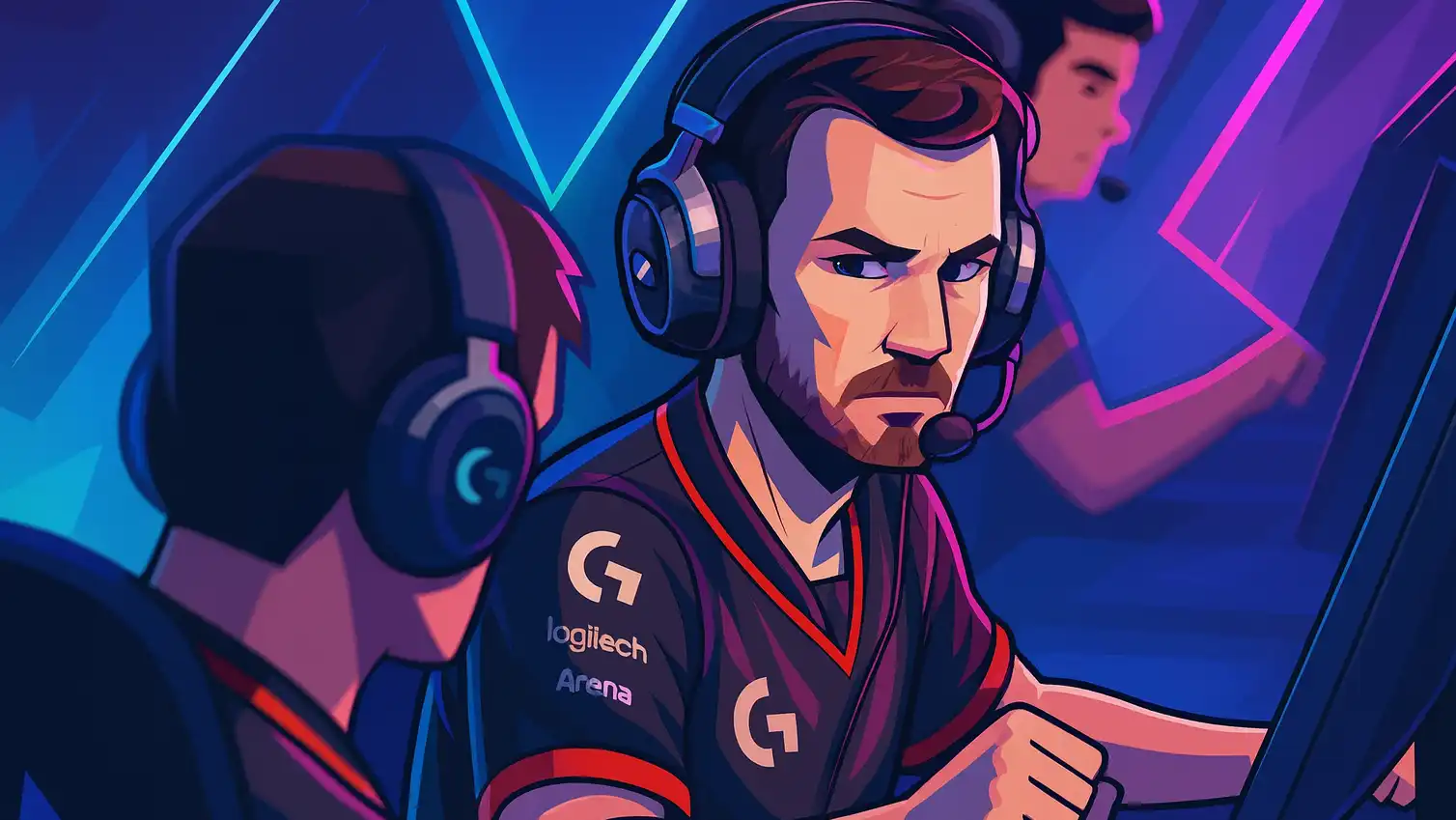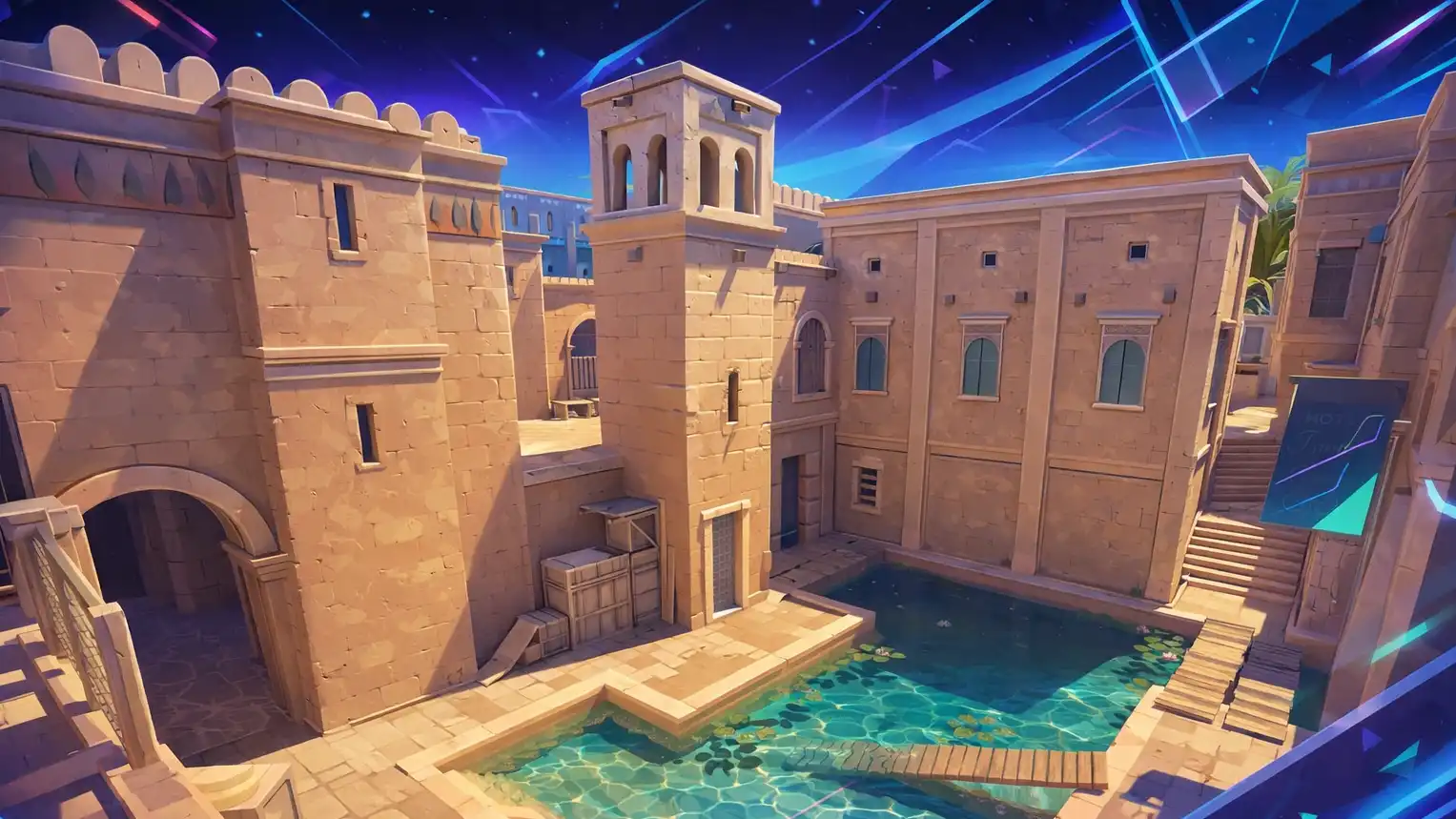

CS2 Success Driven by Skins, Not Gameplay, Says Counter‑Strike Co‑Creator Minh “Gooseman” Le


CS2 Success Driven by Skins, Not Gameplay, Says Counter‑Strike Co‑Creator Minh “Gooseman” Le
December 18, 2025 — In a candid and controversial new interview, Minh “Gooseman” Le, co‑creator of the legendary Counter‑Strike franchise, offered a provocative take on why Counter‑Strike 2 (CS2) continues to dominate the Steam charts more than a decade after its predecessor first captured the esports world.
Le — best known for creating the original Counter‑Strike mod alongside Jess Cliffe in the late 1990s — told Edge Magazine that he believes the title’s enduring popularity today is powered significantly by its booming cosmetic skin economy, rather than its core tactical gunplay or competitive design.
“I used to think it was the theme — I still think counter‑terrorism is a fascinating theme — but I think people play it just to collect skins and s**t,” Le said in the interview, reflecting on the game’s position as one of Steam’s most played titles.
CS2 regularly tops Steam’s concurrent player charts, averaging around one million daily concurrent users, and remains a cultural pillar of both competitive FPS esports and PC gaming broadly.
From Dorm‑Room Mod to Global Phenomenon
When Counter‑Strike first emerged as a mod for Half‑Life in 1999, Le and Cliffe had no notion that it would become one of the most influential shooters ever created, let alone a cornerstone of professional esports. Valve officially acquired the mod in 2000, etching the franchise into gaming history.
Despite this legacy, Le acknowledged that he never planned for the game to become a competitive circuit staple, dismissing early requests by budding esports leagues during the beta phase. “They were like, ‘It would be great if you could change this and that, and make the game more amenable for competitive play,’” Le recalled. “I was like, ‘Don’t bother me — I’m too busy trying to make the game.’”
He said esports evolution happened somewhat by accident, a sentiment that stands in stark contrast with CS2’s current position at the pinnacle of competitive first‑person shooters.
Skins, Economy, and Community Behavior
Le’s comments underscore an often debated aspect of modern multiplayer titles: the role of cosmetic monetization and the economic ecosystems built around it.
Over the last decade, Counter‑Strike titles have developed a massive virtual goods market centered on weapon skins and cosmetic items. While these skins do not influence gameplay, they are tradable through Steam’s marketplace, spawning a speculative community economy sometimes connected with third‑party trading and skin betting systems.
Industry observers and critics have previously argued that virtual item economies — particularly when paired with rarity systems — can act as powerful engagement hooks for players, keeping them returning to a game well past its initial peak. Le’s remarks echo this school of thought, suggesting that the “thrill of the collection” plays a significant role for many CS2 players even beyond its competitive facets.
Analysts note that cosmetic economies like CS2’s have become integral to the business model for many live‑service games, driving ongoing player involvement and creating ancillary markets that blur the line between gameplay and digital asset speculation.
Not Dismissing Competitive Merit — But Adding Perspective
Although Le’s comments spotlight the impact of the cosmetic ecosystem, he did not entirely dismiss the competitive or gameplay components that have defined the Counter‑Strike series for years. In other interviews, he has reflected on the game’s evolution and community dynamics, including historically contentious issues like anti‑cheat systems and technical features unique to CS2.
Experts believe Le’s perspective adds valuable context to ongoing debates within the CS2 community about the game’s future direction. As CS2 continues to grow — both as an esports discipline and as a commercial product with millions of players — understanding what drives long‑term engagement becomes critically important for developers, teams, and tournament organizers alike.
One esports data analyst commented on the discussion:
“Minh Le’s viewpoint is interesting because it forces us to look beyond the obvious competitive appeal of CS2. The community, for better or worse, participates in the skin market in ways that go far beyond purely playing the game.”
This echoes broader industry conversations that game longevity isn’t solely built on mechanics and balance, but also on player engagement loops — whether through collection, competition, or community trade.
Industry Reaction and Broader Implications
Reactions from players and industry commentators have been mixed. Some agree that cosmetic economies have profound psychological and financial effects on player behavior, while others argue that CS2’s tactical depth and esports infrastructure remain the true backbone of its success.
Critics outside the Counter‑Strike community have also weighed in on virtual item economies and their place in modern games. For example, game creator Dean Hall recently criticized skating around regulation in monetization structures, suggesting that mechanics resembling gambling have no place in gaming if not appropriately regulated.
With CS2’s next cycle of updates on the horizon and esports ecosystems continuing to expand globally, Le’s remarks are likely to spark fresh discussion about how pure gameplay, community culture, and digital economies intersect in one of gaming’s most enduring franchises.
Related News