

Counter-Strike’s Nations Cup Could Become a VRS Points Farm, Not a True World Cup

Counter-Strike’s Nations Cup Could Become a VRS Points Farm, Not a True World Cup
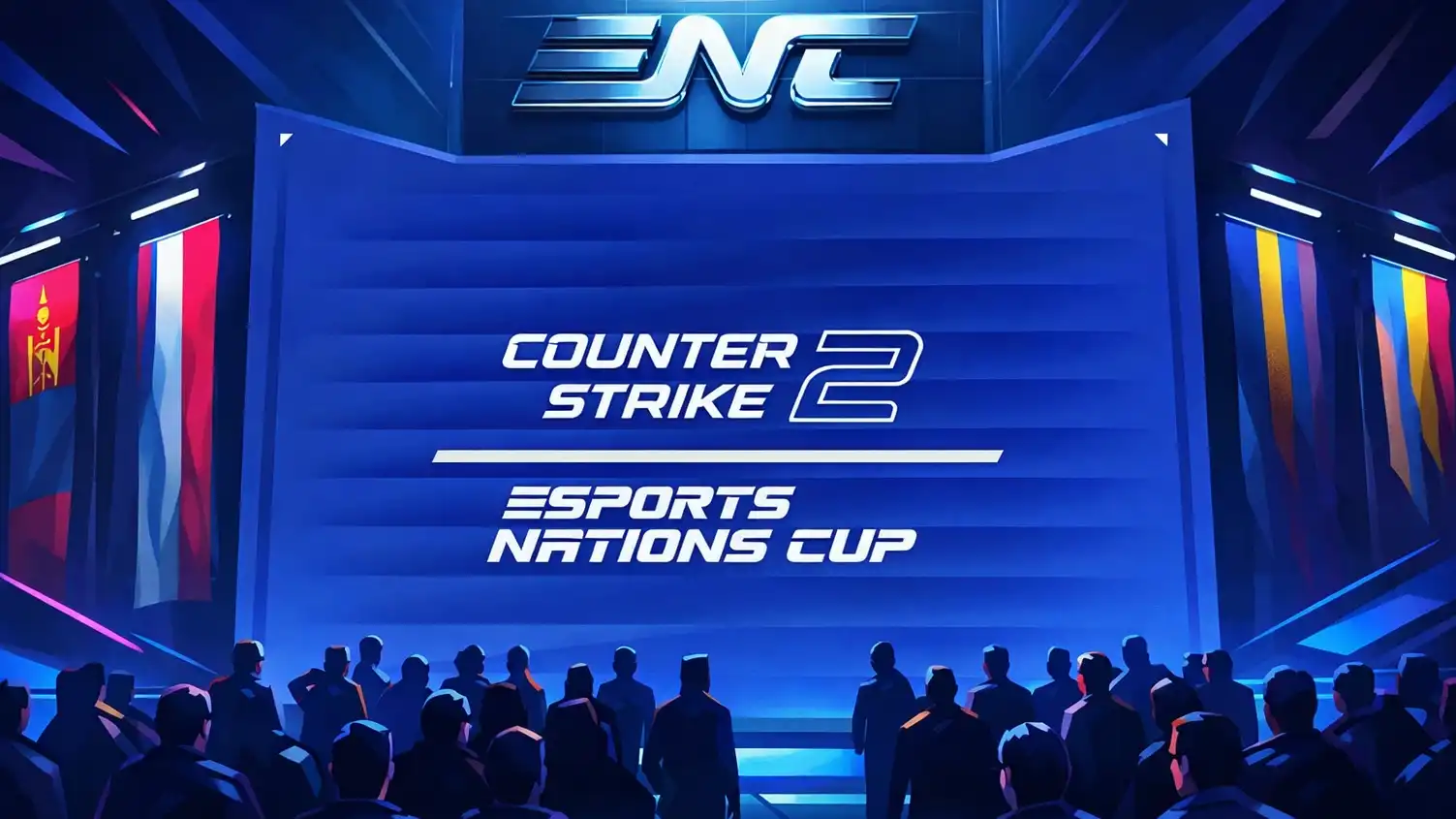
The announcement of Counter-Strike at the Esports Nations Cup (ENC) initially sounded like the long-awaited “World Cup of CS2.” National teams, star players from the same countries finally playing together, and a $1.32 million prize pool created immediate hype across the scene.
But according to HLTV’s Strike #9 column, the tournament’s current structure may prevent it from becoming the international showcase fans expect. Instead, it could end up functioning as a strategic VRS (Valve Regional Standings) point opportunity for teams chasing ranking advantages.
What the CS2 Esports Nations Cup Is
The Esports Nations Cup 2026 will bring together national Counter-Strike teams in Riyadh, Saudi Arabia from November 10–15, 2026, featuring 24 teams at the LAN finals.
Key details confirmed by organizers include:
Citizenship-based national teams
24-team LAN final
$1,320,000 prize pool
BO1 group stage
BO3 playoffs
BO5 grand final
However, one particular rule has sparked debate in the community.
Each national lineup can include no more than three players from the same VRS-ranked club, while organizations that release a three-player core for a national team may receive VRS ranking benefits from participation.
That competitive incentive is exactly where HLTV’s criticism begins.
Why the Nations Cup Might Not Feel Like a “World Cup”
1. A Brutal Tournament Schedule
Timing may become the biggest obstacle for the event.
ENC is scheduled November 10–15, which directly overlaps with BLAST Rivals 2026 Season 2, one of the biggest events on the CS2 calendar.
It also finishes less than two weeks before the PGL Singapore Major 2026, meaning many teams will likely prioritize:
Major preparation
bootcamps
travel logistics
sponsor obligations
In practice, this could force top organizations to choose between club commitments and national teams.
2. VRS Ranking Incentives Could Distort Participation
Because the tournament is VRS-ranked, participation could become less about national pride and more about ranking strategy.
Teams with multiple players from the same country may gain a competitive advantage by sending a three-player core to represent their nation while still benefiting from ranking outcomes.
HLTV analyst Graham “messioso” Pitt summarized the potential issue:
“Spirit are sending donk, magixx, sh1ro. Would Falcons give them m0NESY and kyousuke to boost Spirit’s VRS?”
The question highlights a real dilemma:
why would organizations lend star players if doing so might help another team climb the rankings?
3. Valve Rules Limited Organizer Options
HLTV reported that tournament organizers initially explored making ENC unranked.
However, Valve’s official Counter-Strike tournament rules limit the prize pool for unranked events.
According to Valve’s guidelines:
“The total compensation for an individual Unranked Tournament may not exceed $100,000.”
Since ENC offers more than $1.3 million, the event effectively had to become VRS-ranked, bringing the ranking incentives with it.
VRS Pressure Already Shapes Team Decisions
The Counter-Strike scene has already seen teams openly acknowledge that ranking points influence tournament participation.
For example, OG AWPer Nico “nicoodoz” Tamjidi once admitted after a loss:
“We only came here to win some points for the VRS ranking to make it to the Major.”
The quote reflects a broader reality in modern CS2 esports:
ranking points directly influence tournament invites and Major qualification paths.
As a result, even events designed around national pride can quickly become part of the ranking meta-game.
The Dream Scenario Fans Want
In theory, a national tournament should allow for dream rosters never seen in club play.
Fans imagine combinations such as:
donk and m0NESY on a Russian superteam
stacked Danish or Swedish national lineups
regional rivalries similar to the FIFA World Cup
But if organizations restrict player participation due to VRS implications, those dream rosters may never materialize.
How the Nations Cup Could Improve
HLTV suggests several changes that could help the tournament evolve into a true global spectacle:
1. Move the Event on the Calendar
Placing it after a Major invite cutoff would reduce ranking pressure.
Suggested windows include:
early October
April between Major cycles
2. Make Future Editions Unranked
If ranking data from the event proves unreliable, Valve could allow future editions to operate without affecting VRS standings.
The Bottom Line
The Esports Nations Cup has the potential to become Counter-Strike’s first true “World Cup.”
But under its current structure, the tournament may struggle with:
scheduling conflicts
club vs country politics
VRS ranking incentives
Unless adjustments are made, the event could become less about national competition and more about teams optimizing their ranking position.
For fans hoping to see the world’s best players unite under their flags, the Nations Cup remains an exciting concept — but one that still needs the right conditions to succeed.
Related News