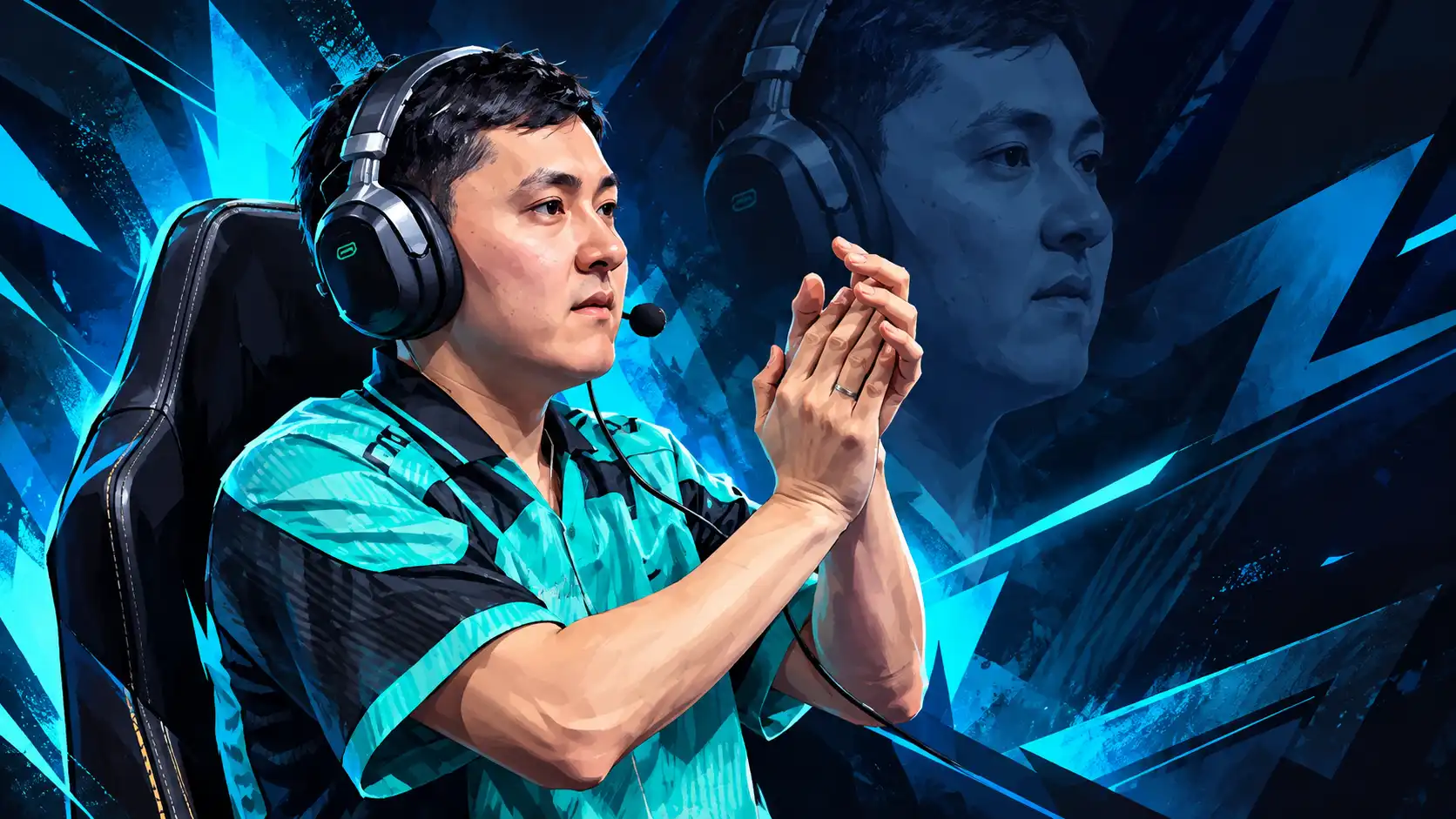

“HLTV.org Confirmed: Stage 2 surprises and Stage 3 preview”

.webp)
“HLTV.org Confirmed: Stage 2 surprises and Stage 3 preview”
On December 2, 2025, HLTV.org published the latest episode of its flagship show “HLTV Confirmed”, titled “Stage 2 surprises and Stage 3 preview””, where hosts Zvonimir “Professeur” Burazin, Milan “Striker” Švejda and Chad “SPUNJ” Burchill reviewed the major upsets in Stage 2 of the StarLadder Budapest Major 2025, and looked ahead to what lies in store for Stage 3.
Stage 2 shockers: from favourites to fast exits
Stage 2 of the Budapest Major (running Nov 29–Dec 2) featured 16 teams — eight invited directly and eight who advanced from Stage 1 — battling in a Swiss-system format for spots in Stage 3.
The HLTV show flagged several surprising outcomes that shifted the expected dynamic of the tournament:
-
Among the biggest talking points was the early elimination of established names who entered Stage 2 with high hopes. While HLTV did not list every upset in full in this coverage snippet, the framing was clear: some teams failed to live up to expectations.
-
For example, teams like Aurora Gaming and others were referenced in related coverage as suffering poor results; according to HLTV, “Aurora eliminated” was already one of the bullet-points of Stage 2 dismay.
-
Meanwhile, top-seeded squads such as Natus Vincere and FaZe Clan executed dominant performances, registering straight 3-0 runs to secure strong Stage 3 positions.
-
The major takeaway, as noted by the show’s analysts, is that even among elite teams the margin for error is getting thinner. Swiss formats in Majors reward consistency and punishes even one misstep. The “surprises” of Stage 2 emphasise how volatile the scene is.
Perspective and significance of the Stage 2 surprises
The significance of upsets in Stage 2 goes beyond mere shock value. As HLTV’s hosts explained, the surprises act as a reminder of how group momentum, preparation, and mental condition can make or break a Major run. The Swiss-stage format means even a 0-2 start puts a team in immediate danger. The coverage noted that teams that had previously coasted on reputation now must deliver tangible results.
Moreover, the inclusion of teams advancing from Stage 1 adds an unpredictable dynamic: some squads arrive battle-hardened with momentum, while invited squads may face rust. That mixture creates room for “surprise” qualifiers and unexpected exits alike.
Stage 3 preview: what to watch for
Looking ahead, the show devoted significant time to previewing Stage 3 — scheduled to run from approximately December 4–7 (based on the general tournament timeline) — where eight Stage 2-qualified teams will join eight teams previously invited based on their Valve Regional Standings (VRS).
Key talking points included:
-
Seeding implications: Teams that came via Stage 2 may carry momentum, but their VRS ranking and Buchholz-based seeding may put them at a disadvantage versus higher-seeded invited teams. Analysts emphasised that favourable seeding can lead to more manageable first-round matches, which is critical in a Swiss bracket.
-
Format escalation: While Stage 2 featured best-of-one (Bo1) matches, Stage 3 increases the stakes — although many matches remain Bo1, elimination rounds and later matches become best-of-three (Bo3). Historically, teams better at adapting to Bo3s perform well in these transitions.
-
Teams to watch: Natus Vincere was highlighted after their flawless Stage 2 run (3-0) including a convincing win over B8. FaZe Clan similarly entered Stage 3 with confidence, though the show cautioned they cannot rely on past prestige alone.
-
Momentum vs quality: The discussion contrasted teams bringing momentum (from Stage 2) versus teams with structural strength (direct invites). The central question: will momentum override the established structure? The show leaned toward saying both matter — but experience and depth often decide Majors.
-
Pick’ems and viewership angles: The episode also addressed early pick’em reactions and viewership expectations, noting that surprises drive engagement but also necessarily change narrative arcs and fan sentiment.
What the results reflect for the broader competitive scene
The surprises in Stage 2 and the impending Stage 3 represent a broader trend in professional Counter-Strike: the difference between top-tier and mid-tier is narrowing. The ability for underdogs to upset favourites is increasing, partly due to the standardisation of professional operations, boot-camps, analytics and preparation. What used to be an advantage for “big” organisations is gradually being neutralised. HLTV’s coverage underscored that even the most decorated teams must adapt or risk early elimination.
Additionally, the tournament structure itself (Swiss-system, Bo1s early on) increasingly rewards consistency and punishes shaky starts. Analysers on HLTV noted that the “surprise” teams in Stage 2 weren’t just lucky — they were prepared, mentally sharp, and executed under pressure. Conversely, some favourites who failed lacked either preparation, mindset or adaptation to specific opponents.
Notable stats and match‐ups
While HLTV’s “Confirmed” episode did not list all specific matches, some related reporting highlights included:
-
Natus Vincere posted a flawless Stage 2 performance, winning all series and not dropping a map in their final series vs B8.
-
Opening match‐ups for Stage 2 had already foreshadowed tough draws, for example FaZe vs Passion UA, M80 vs Aurora, FlyQuest vs Natus Vincere.
-
The tournament timeline confirms that the Budapest Major will see its Stage 3 followed by playoffs (top eight teams) culminating in a best-of-five grand final — another level of pressure and endurance.
Final thoughts
The HLTV episode titled “Stage 2 surprises and Stage 3 preview” effectively captures a critical juncture in the Budapest Major: first, the shock waves from unexpected results in Stage 2; and second, the high stakes and shifting narrative heading into Stage 3. The overarching message is clear: in today’s Major environment, nothing can be taken for granted — even for teams with deep rosters and long histories of success.
As fans and analysts look ahead, the ability for teams to combine momentum, structural strength and adaptability will increasingly differentiate contenders from pretenders. The surprises of Stage 2 serve as both cautionary tales and inspirations — for the teams that surprised, and for the giants who must now stay vigilant.
With Stage 3 looming, the stakes are higher than ever. The story of this Major is far from over — if anything, Stage 2 was only the prologue.
Related News