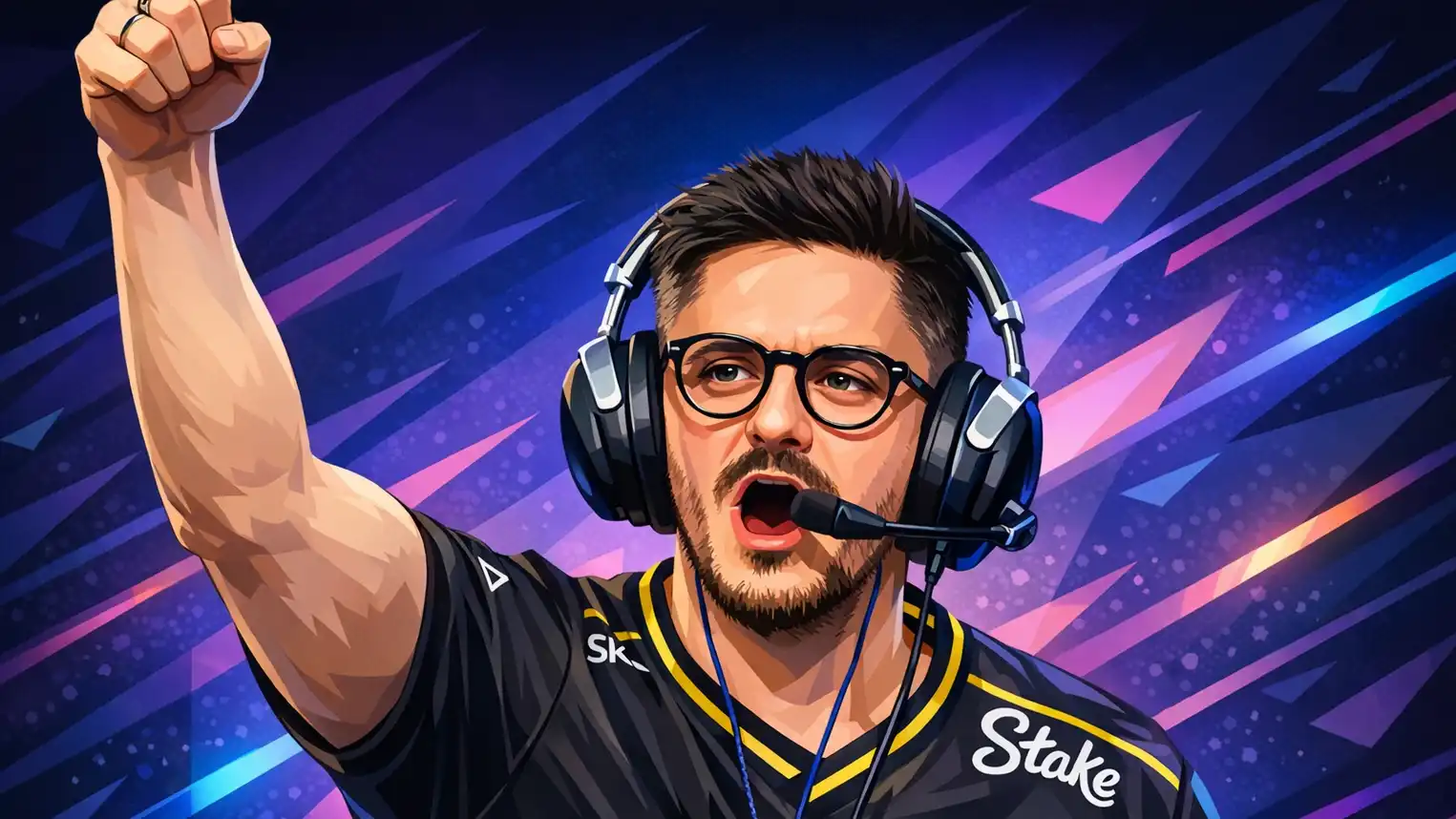

3DMAX’s Improvement Was Only a Matter of Time, Says wasiNk After PGL Bucharest Run
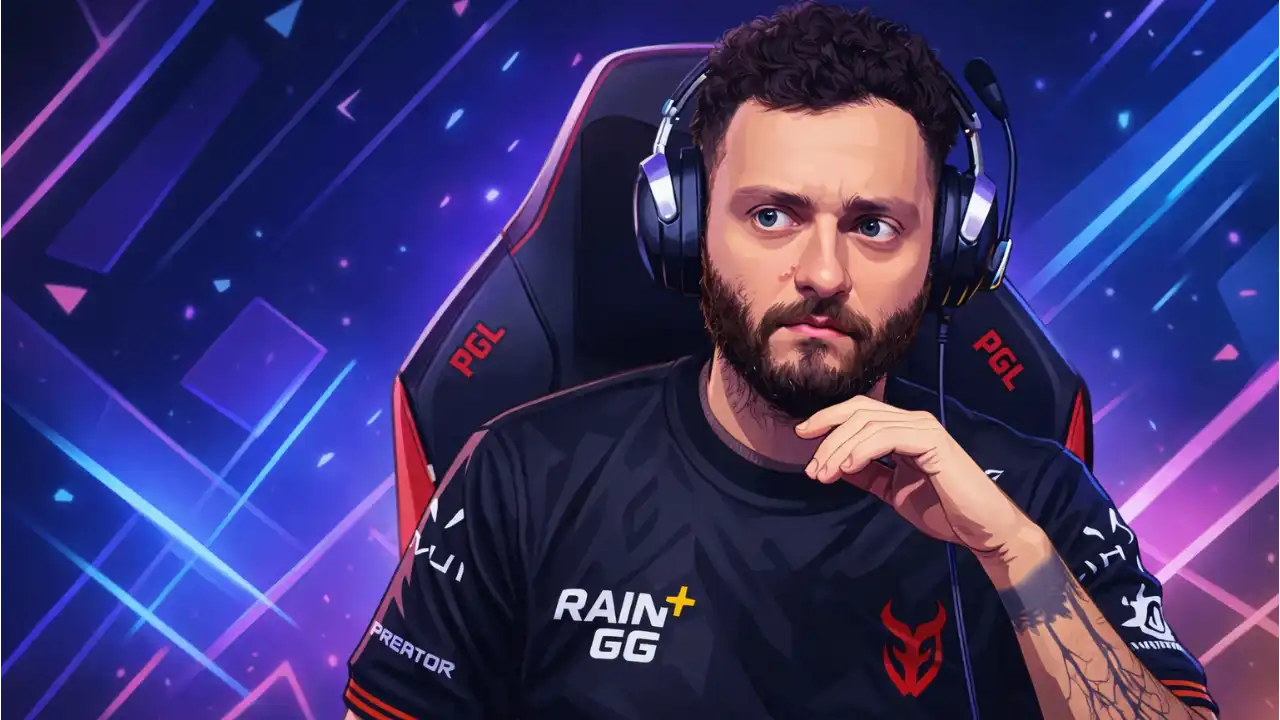
The recent resurgence of 3DMAX at PGL Bucharest has drawn attention to a team that, until recently, struggled to convert its potential into consistent results. According to head coach Damien “wasiNk” Dufour, however, this improvement should not be viewed as a sudden breakthrough, but rather as the natural outcome of a longer process that required time, structural changes, and renewed confidence.
3DMAX arrived at PGL Bucharest under pressure following a disappointing Major qualification campaign, where the team failed to meet expectations. During that period, internal issues—particularly a lack of confidence and cohesion—prevented the roster from performing at its true level. WasiNk emphasized that the players were not “on the same page,” and that communication, while present, was not strong enough to sustain high-level performances under pressure.
The turning point for the team came during the Bucharest event itself. After an inconsistent start, 3DMAX began to stabilize, with a key victory—highlighted by wasiNk as the match against Voca—serving as a psychological boost. That win demonstrated to the players that they were capable of closing out games even without perfect conditions, reinforcing belief in their system. From that moment onward, the team improved incrementally, stepping up “game by game” and ultimately reaching the semi-finals with wins over opponents such as MIBR.
One of the defining features of 3DMAX’s improved performance has been their resilience. WasiNk described mental strength as a core value he tries to instill in the squad, especially after a period marked by what he called “past demons.” These lingering doubts had affected the team during crucial matches earlier in the season, particularly in high-pressure environments like Major qualifiers. By contrast, the Bucharest run showcased a team capable of recovering from difficult situations, including turning around challenging maps such as Ancient through better communication and adaptation.
This renewed mental stability did not happen overnight. The coaching staff—including assistant figures like NBK-—implemented a new working process focused on trust, clarity, and player interaction. According to wasiNk, one of the primary goals after his return was to rebuild confidence at an individual level while also ensuring that the team operated cohesively. The emphasis on internal communication proved critical, allowing players to make collective decisions more effectively and maintain composure during setbacks.
The broader trajectory of 3DMAX helps contextualize this progress. The team, currently ranked around the top 15 globally, has spent the past year transitioning from an inconsistent contender into a more stable presence in international events. Earlier in 2025, wasiNk had stepped down from the roster due to differences in vision, despite having helped elevate the team from outside the top 40 to regular appearances at elite tournaments. His return, alongside roster and staff adjustments, appears to have reintroduced structure and direction at a crucial moment.
Despite the encouraging results in Bucharest, wasiNk remains cautious. He stressed that the team’s development is still ongoing and warned that confidence can quickly deteriorate if not properly maintained. In his view, understanding the reasons behind their current success is just as important as achieving results, as it ensures sustainability rather than a temporary spike in form.
Ultimately, 3DMAX’s improvement is less about a single tournament run and more about the gradual resolution of deeper issues. The combination of better communication, restored confidence, and a clearer internal structure has allowed the team to unlock its potential. As wasiNk summarized, the recent success was not unexpected—it was simply “a matter of time.”
Related News