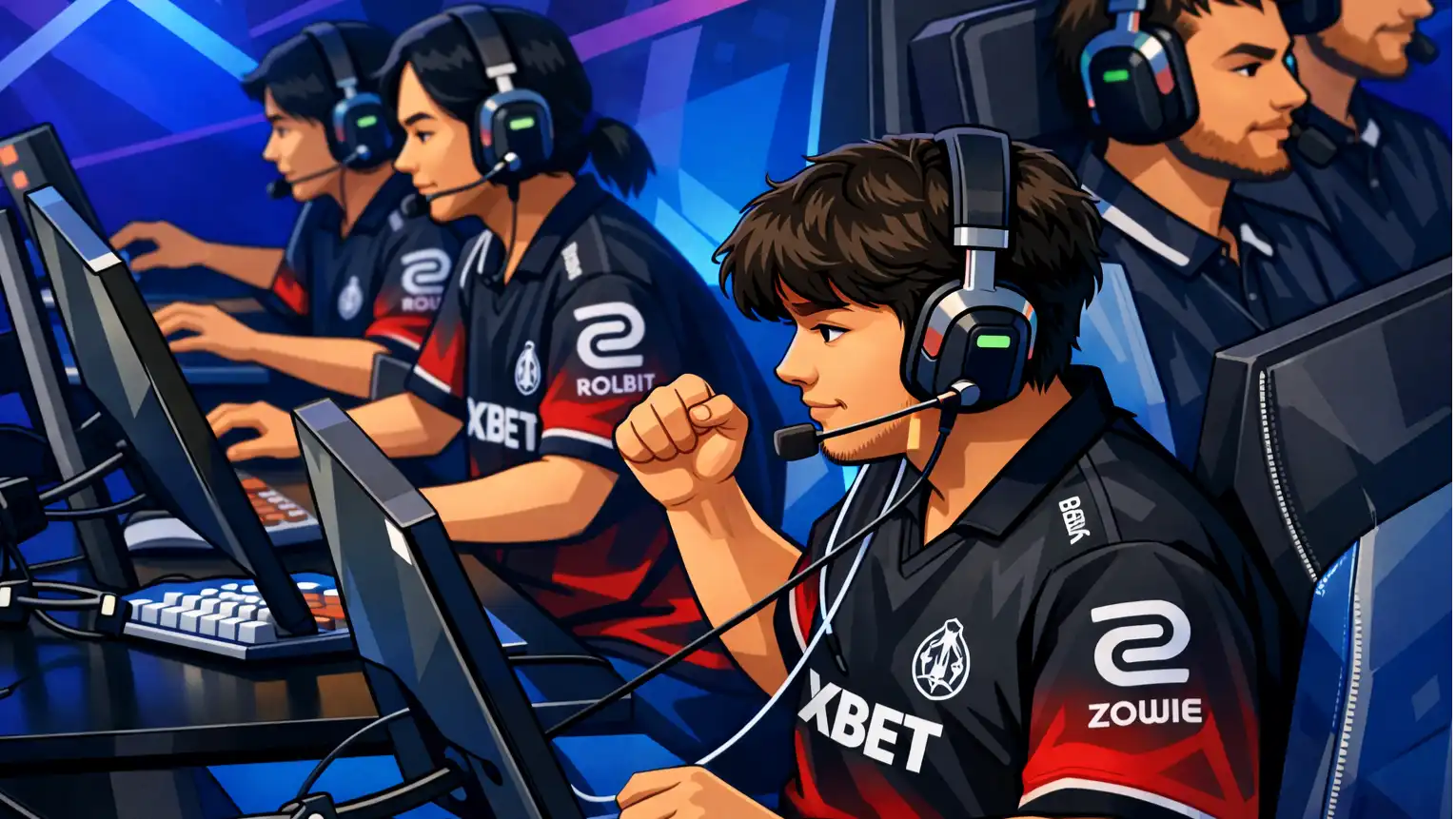

Techno: “Maybe people doubted about our new player and what would happen after Senzu, but we bounced back”


Techno: “Maybe people doubted about our new player and what would happen after Senzu, but we bounced back”
In a recent post-match interview following The MongolZ’s advancement into the quarter-finals at IEM Chengdu 2025, rifle-player Sodbayar “Techno” Munkhbold candidly addressed the team’s internal changes and challenges. He acknowledged mounting speculation about how the lineup change would impact the team — but stressed that the roster adjustment has already started paying off.
“Maybe people doubted about our new player and what would happen after Senzu was benched, but somehow we managed to bounce back and we’re going to play playoffs again.”
The backdrop: Senzu benched, change executed
On October 22, 2025, The MongolZ announced the suspension of Senzu from their active lineup, marking a significant organizational shift. The 19-year-old rifler had been an integral part of the roster since September 2023 and had helped the team rise from outside the top 30 to world-class status. Community reaction was swift and intense, as the timing—just ahead of major events like IEM Chengdu and the StarLadder Budapest Major—was highly unusual.
Into that void stepped stand-in rifler Unudelger “controlez” Baasanjargal, bringing veteran presence and regional familiarity. Techno spoke highly of his arrival:
“He’s a really funny guy … he played in Chinggis Warriors and the old MongolZ teams, so obviously he is a very experienced player in this roster. He can adapt to us.”
According to the event stats, controlez averaged a 1.09 rating during the group stage of IEM Chengdu, making him the second-highest rated player on the roster.
Why this moment matters
-
Roster stability under test: The benching of Senzu disrupted what had been a stable core for The MongolZ. Techno’s comments reflect how the team viewed the period as a proving ground: “[People doubted] our new player … and what would happen after Senzu was benched.”
-
Results as redemption: The victory at IEM Chengdu—where The MongolZ defeated both paiN and Spirit in elimination matches—shows the change hasn’t derailed them. Instead, it appears to have triggered a rebound.
-
Regional advancement: For a Mongolian team competing on the global CS2 stage, this moment is more than a simple result—it’s a statement of resilience. The organization has walked through rapid growth (notably reaching final of BLAST Bounty 2025 Season 2 and winning Esports World Cup 2025) and now must sustain it through turbulence.
Key elements from Techno’s perspective
-
Confidence in the core: Techno emphasised that four of the core players plus coach maaRaa remained, giving continuity despite the change. “It’s really nice to play on stage again, and in the playoffs as well.”
-
Mental bounce-back: He described the phase of doubt openly—acknowledging doubts from both outside and perhaps within—but highlighted how the team responded.
-
Adapting to change: The transition from Senzu to controlez required not only individual adjustment but team-wide recalibration in roles and communication. Techno pointed to controlez’s adaptability as a key factor.
-
Playoff focus: With quarter-finals on the horizon, the team’s priority now is to carry momentum forward. Techno’s phrasing suggests the aim isn’t just to fill a gap, but to excel under new dynamics.
What the numbers show
While full match stats weren’t disclosed in the interview piece, complementary sources indicate:
-
The MongolZ debuted controlez at IEM Chengdu and posted strong ratings across the roster.
-
The benching of Senzu became a focal point for community discourse, showing how pivotal his presence had been.
-
Regionally, the team’s growth was propelled by Senzu’s performances—they experienced success, but now face the test of sustaining without their long-time star.
Challenges ahead
-
Maintaining identity: With a change in personnel, the team must reaffirm its style and identity on LAN, especially under pressure in knockout rounds.
-
Expectations management: The MongolZ have been rising fast—championing tournaments and cracking into major leagues. Now, the burden of expectation increases.
-
Staying consistent: Techno’s focus on “bouncing back” implies the team has had highs and lows; consistency in big matches will differentiate them from one-hit breakout teams.
-
External scrutiny: With the benching of Senzu sparking community speculation, the team may face added pressure to justify the decision through strong results.
Broader implications for CS2
The MongolZ’s situation reflects a broader pattern in the global Counter-Strike 2 scene: organizations escalating rapidly, regional teams stepping into global contention, and sudden roster moves setting off waves of scrutiny.
Their rebound at IEM Chengdu suggests that good teams can withstand momentary disruption—but only if they have strong core foundations, adaptability, and stakeholder buy-in. Techno’s honesty about doubts mirrors how esports environments are becoming less about pure performance and more about team management, psychology, and culture.
Conclusion
When Techno said “Maybe people doubted about our new player and what would happen after Senzu … but we bounced back”, he encapsulated the moment for The MongolZ. It wasn’t just about a roster swap; it was about proving resilience, reasserting identity, and showing that the team can thrive beyond individual stars.
As they advance into the deeper rounds of IEM Chengdu 2025, the real test will come not only from their next opponent, but from themselves—whether they can maintain this rebound, build continuity under change, and convert potential into trophies.
For now, The MongolZ have answered one question. The next one is even bigger: can they keep the momentum going when every round matters the most?
Related News
.webp)