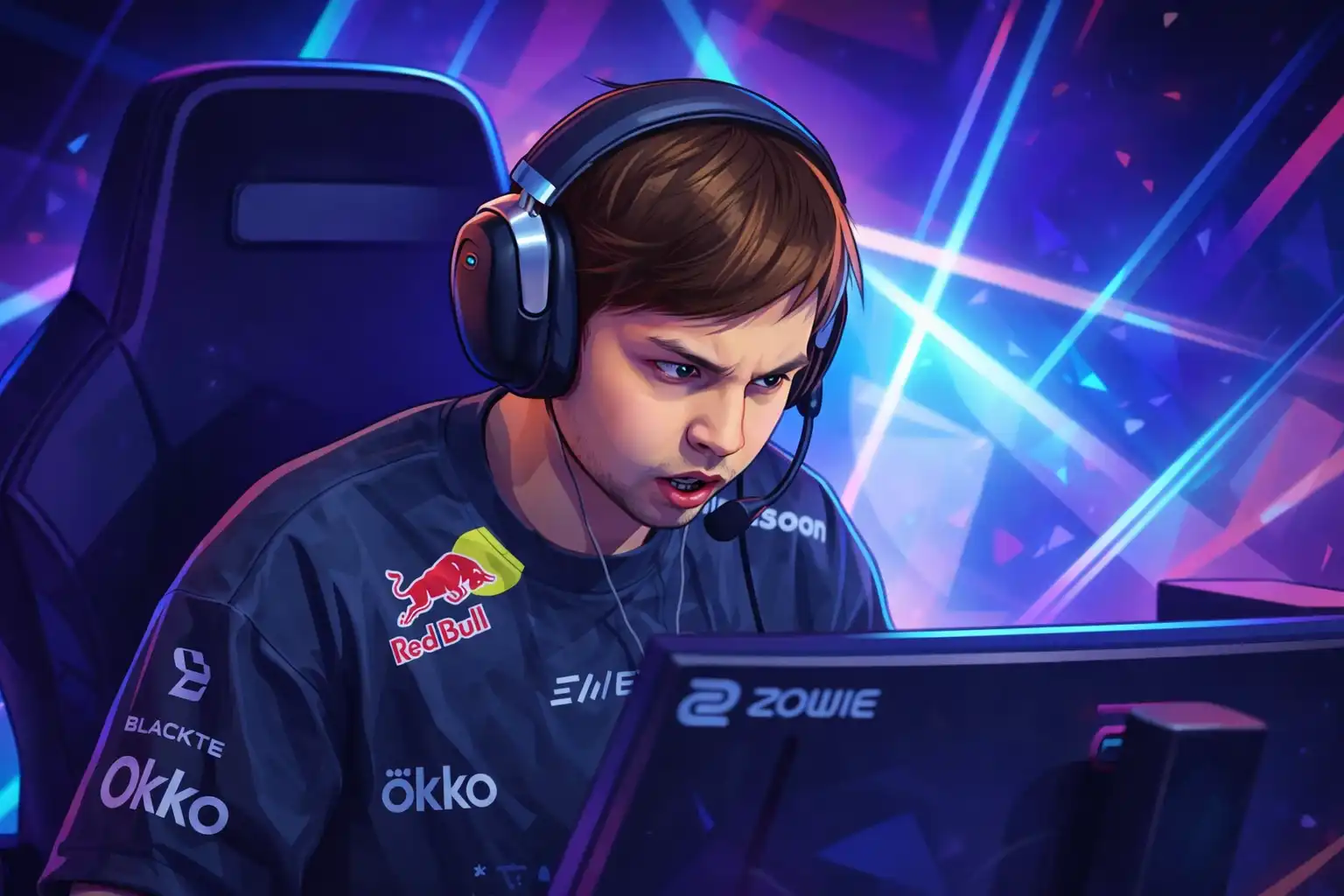

S0tF1k details emotional Spirit reunion as stand-in role highlights academy system strength

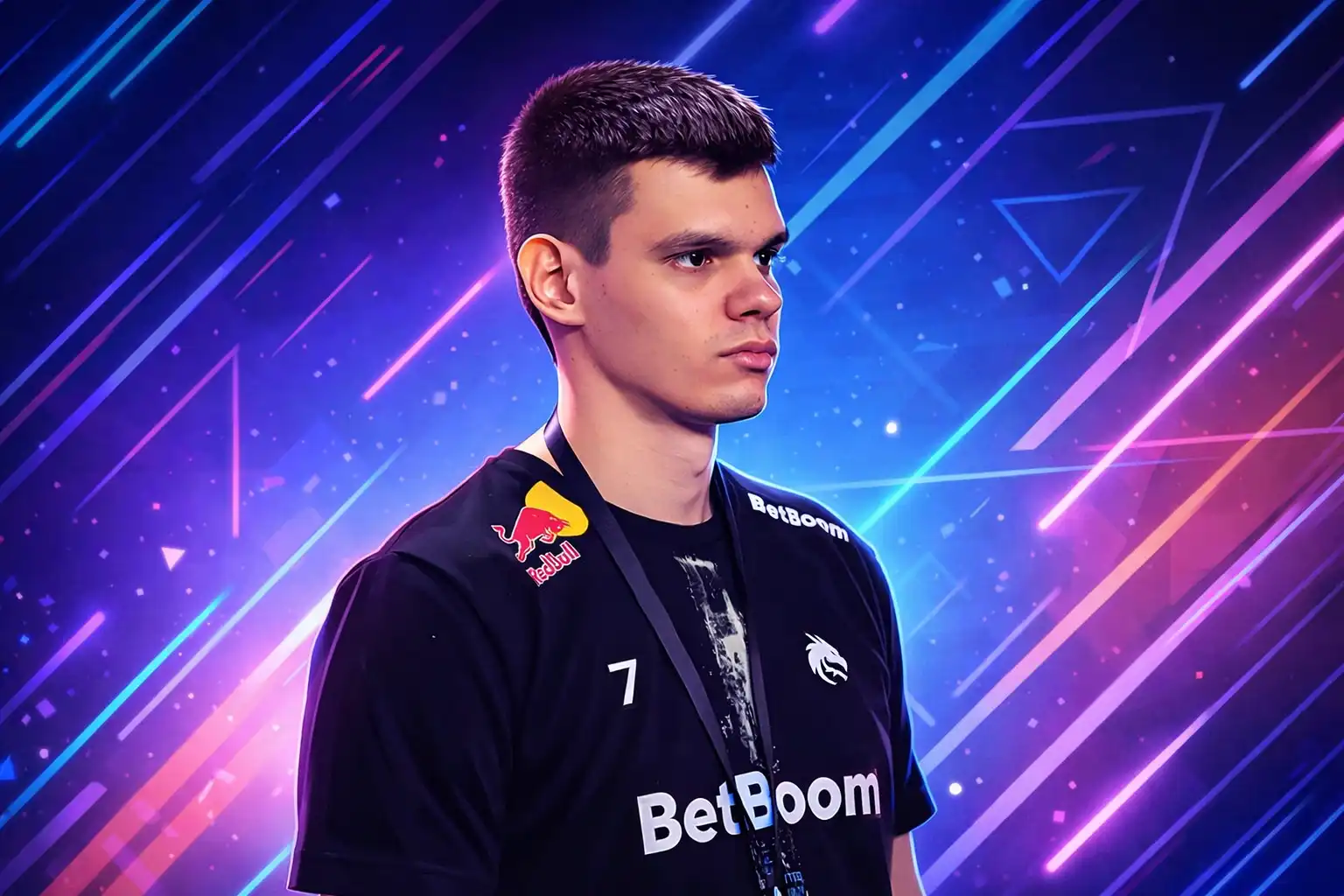
S0tF1k details emotional Spirit reunion as stand-in role highlights academy system strength
Dmitry “S0tF1k” Forostyanko has provided deeper insight into his unexpected return to the top tier of competition, describing his temporary promotion to Team Spirit’s main roster as both emotionally rewarding and competitively seamless due to his long-standing history with the players.
The 31-year-old, currently serving as Spirit Academy’s coach, has stepped in to replace Sergey “hally” Shavaev, who is absent from IEM Rio 2026 and the upcoming PGL Astana 2026 due to health-related issues. His inclusion marks a rare case of a developmental coach transitioning directly into a tier-one environment mid-event.
“Like coming home”: Pre-existing chemistry proves crucial
Rather than facing the typical adaptation curve associated with stand-ins, S0tF1k emphasized how natural the transition felt. Having previously coached several members of Spirit’s core during their formative period in the academy system, he already possesses an intimate understanding of their tendencies, communication style, and in-game decision-making.
Following Spirit’s opening-stage victory over Team Liquid, he described the reunion in personal terms:
“It felt like coming home to your own guys — like a grandma when your kids come back for summer.”
This dynamic has translated directly into server performance. Unlike most emergency substitutions, which often disrupt structure and calling, Spirit’s system appears resilient due to shared foundations between its academy and main roster.
A rare case of structural continuity in tier-one CS
Spirit’s situation stands out in the broader Counter-Strike ecosystem, where last-minute roster changes frequently lead to instability. In contrast, S0tF1k’s involvement reinforces the organization’s long-term philosophy: building a unified system across both academy and main teams.
Because of this approach:
- Tactical frameworks remain consistent across rosters
- Terminology and communication require minimal adjustment
- Players are already accustomed to S0tF1k’s coaching principles
- Strategic depth is preserved despite the absence of the primary coach
This continuity significantly reduces the typical drawbacks of a stand-in scenario and allows Spirit to maintain a competitive level even under constrained conditions.
The role of Spirit Academy in sustaining tier-one success
S0tF1k’s presence on the main stage also highlights the broader success of Team Spirit’s academy system, which has become one of the most effective talent pipelines in Counter-Strike.
Over recent years, the organization has consistently promoted players from its academy lineup into the main roster, ensuring:
- Seamless integration into tier-one competition
- Long-term roster stability
- Reduced reliance on external transfers
- A clearly defined identity and playstyle
S0tF1k has been a central figure in this development process, helping mold players not only mechanically but also tactically and psychologically. His familiarity with the roster now serves as a competitive asset during a critical period of the season.
Immediate results and short-term expectations
Spirit’s victory against Liquid suggests that the team has adapted well to the temporary change in leadership. While it remains early in the tournament, the initial performance indicates that the team’s structure remains intact, with no visible breakdown in coordination or execution.
Looking ahead to IEM Rio 2026, Spirit’s ability to maintain consistency will be tested against stronger opposition, where mid-round calling, preparation depth, and adaptability become increasingly important.
The situation will extend into PGL Astana 2026, where the team is expected to continue operating without hally. This places additional importance on S0tF1k’s ability to balance his coaching instincts with the demands of on-site match preparation and live adjustments.
A system-driven advantage in a volatile landscape
In a competitive environment where roster instability is common, Spirit’s reliance on internal development provides a clear edge. S0tF1k’s seamless integration demonstrates how a well-structured academy system can mitigate disruption and even turn adversity into an advantage.
While his role remains temporary, the current situation offers a compelling case study in how deeply integrated coaching and development systems can sustain performance at the highest level of Counter-Strike.
Related News
.webp)