
Richard Lewis Names the CS2 Community the Most Toxic of 2025
Richard Lewis Names the CS2 Community the Most Toxic of 2025
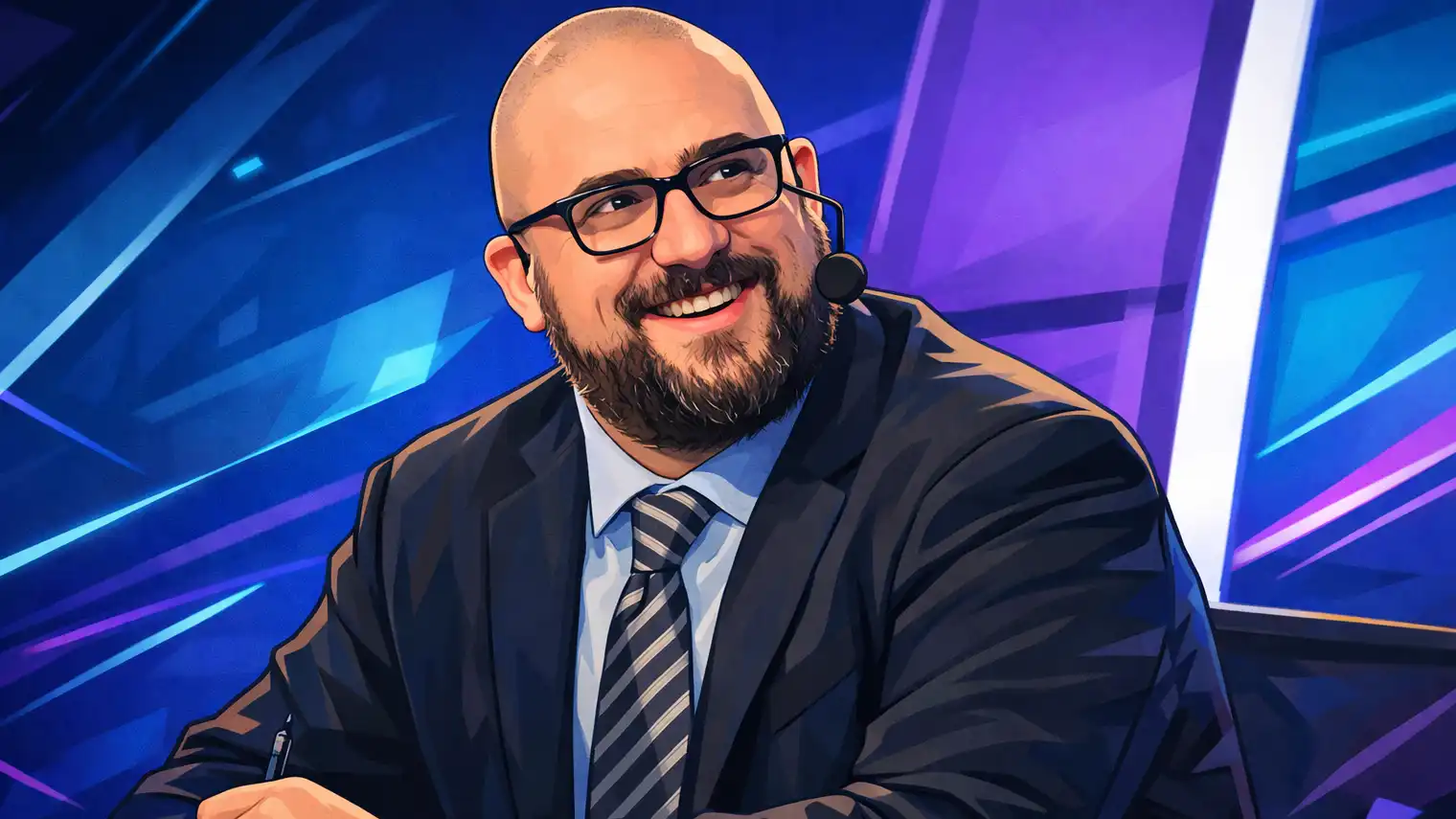
Esports journalist Richard Lewis has once again ignited debate across the Counter-Strike scene by naming the Counter-Strike 2 community the most toxic fanbase of 2025. The verdict was delivered as part of Lewis’ annual Gonzo Awards, an opinion-based anti-award highlighting the most frustrating trends in esports culture.
According to Lewis, CS2 fans have now claimed the title for the second year in a row, solidifying what he describes as a growing culture of entitlement, nonstop outrage, and constant blame directed at developers and fellow players.
Why Richard Lewis Criticized the CS2 Community
Lewis argues that discourse around CS2 in 2025 has been dominated by:
Persistent negativity on social media
Unrealistic expectations toward developers
A tendency to blame external factors for poor performance
A constant comparison to late-era CS:GO
In his commentary, Lewis notes that while criticism of the game is often justified, the tone of the conversation has become increasingly hostile and repetitive, turning legitimate feedback into what he calls “noise.”
Cheating Concerns: The Core Fuel Behind the Toxicity Debate
One of the biggest drivers of frustration within the CS2 community remains cheating in Premier matchmaking—a topic repeatedly raised by professional players throughout 2024 and 2025.
Verified player statements that shaped the discussion:
ropz publicly stated that cheating is a “big problem” in Premier and said he would support an invasive anti-cheat system if it improved competitive integrity.
friberg claimed that “every other game” in Premier featured cheaters, adding that the situation made him want to quit playing entirely.
k0nfig described Premier as “infested with cheaters,” often pointing to suspicious low-hour accounts.
Twistzz has repeatedly listed anti-cheat improvements as one of his top requests to developers.
These comments are widely cited across Dust2.us, HLTV, and Cybersport.ru, and they form the factual backbone of many community complaints.
Valve, VAC Live, and Ongoing Skepticism
Much of the criticism is also directed at Valve, particularly regarding the effectiveness of VAC Live. While Valve has promoted the system as an evolution of its anti-cheat efforts, multiple players have expressed skepticism about how often it actually impacts real matches.
Friberg, in particular, stated he did not witness a single VAC Live cancellation during a heavy Premier grind—fueling further doubts within the community.
Is This Really the “Most Toxic” Community?
Lewis’ ranking is not an official industry metric but an editorial judgment based on observable discourse patterns. Still, the back-to-back nature of the award (2024–2025) suggests the same unresolved issues continue to dominate discussion:
Anti-cheat credibility
Matchmaking quality
Communication between developers and players
Escalating negativity on social platforms
Whether deserved or not, the label reflects how the CS2 conversation is perceived from the outside.
What This Means for CS2 in 2026
Unless major progress is made in areas like anti-cheat transparency and competitive integrity, the CS2 community risks remaining locked in a cycle of frustration-driven discourse. As Lewis’ comments highlight, even valid criticism can lose impact when delivered through constant hostility.
For now, Counter-Strike 2 remains one of esports’ most popular titles—and, according to one of its loudest critics, one of its most difficult communities.
Related News
.webp)