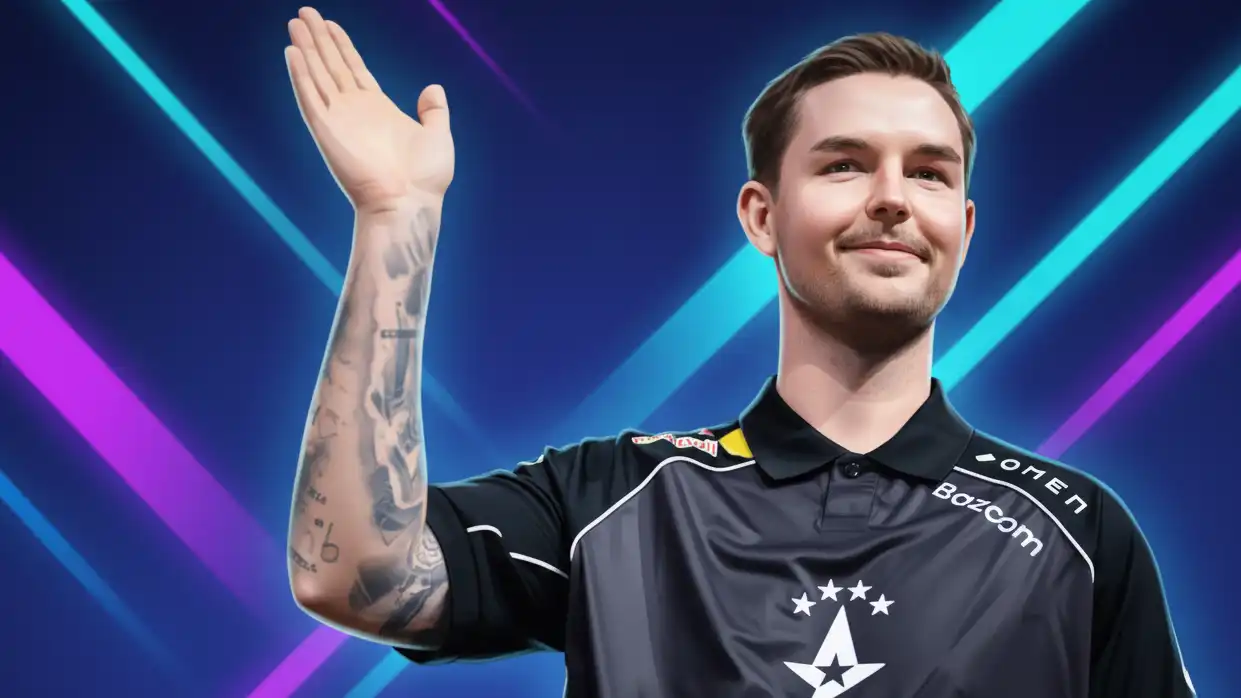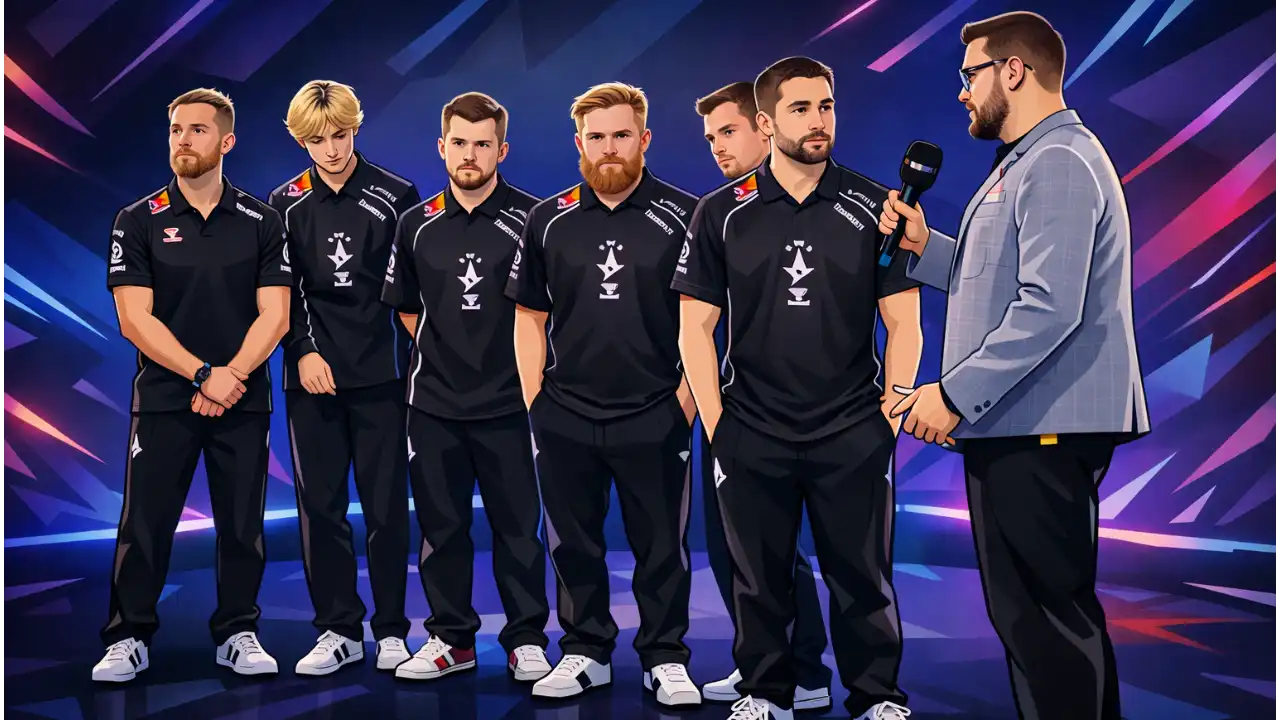

Håvard “rain” Nygaard reflects on the toughest part of becoming an in-game leader and how he’s adapting to leading 100 Thieves’ Counter-Strike 2 project
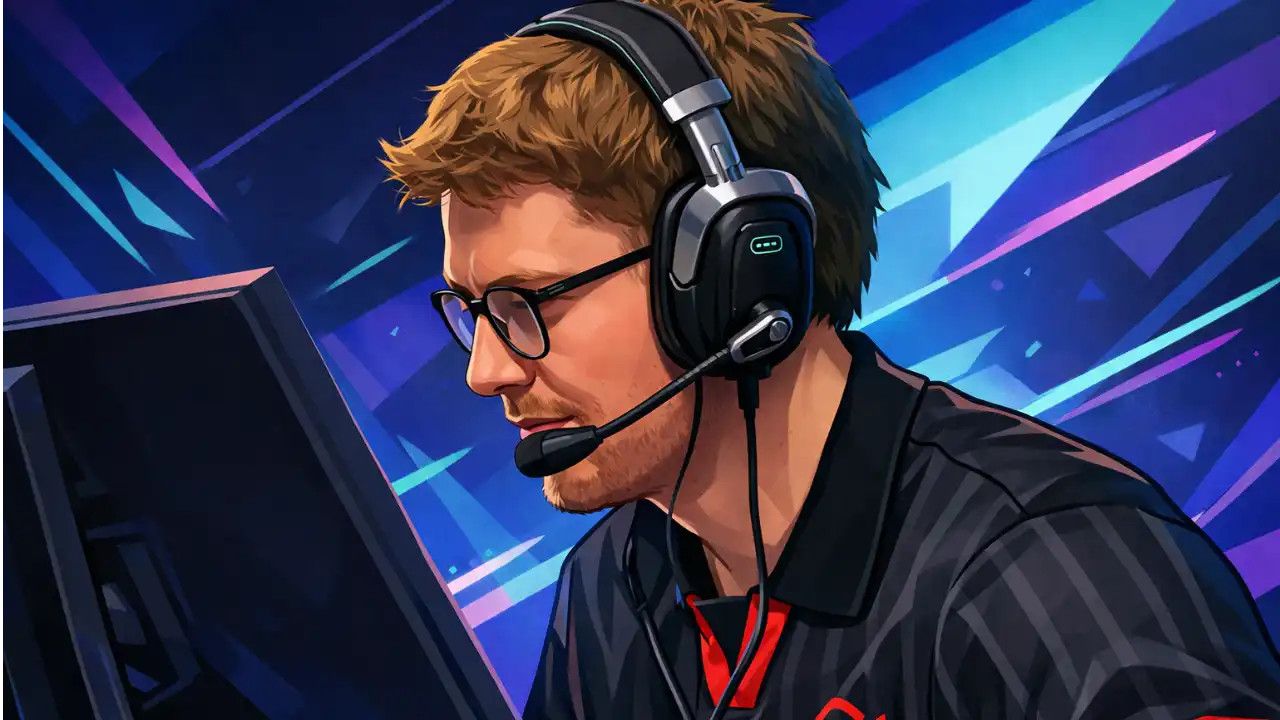
Håvard “rain” Nygaard reflects on the toughest part of becoming an in-game leader and how he’s adapting to leading 100 Thieves’ Counter-Strike 2 project
Norwegian Counter-Strike veteran Håvard “rain” Nygaard, one of the most recognisable names in the scene, has opened up about the personal challenges he faced in transitioning into a full-time in-game leader (IGL) role for his new team, 100 Thieves. The remarks came in a candid interview with HLTV.org ahead of the organisation’s recent matches at the Roman Imperium Cup V — part of a busy LAN season that has seen the squad rapidly improve since its formation in late 2025.
Rain, 31, is best known for his long and storied career with FaZe Clan, where he spent nearly a decade competing at the highest levels of Counter-Strike: Global Offensive and later Counter-Strike 2 before joining 100 Thieves. According to his official player profile, he is a Major champion (Antwerp 2022), HLTV Major MVP, and one of the most decorated players in the history of the game.
Despite his status, the Norwegian admitted that adapting to calling and tactical leadership was more difficult than he had anticipated. “Freezetime would start and I wouldn’t remember that I was the IGL,” he laughed in the interview. “I would sit there and it was like ‘oh shit, I have to make a call.’” This moment of levity underscored the mental shift required when a player moves from primarily focusing on individual performance to orchestrating an entire team’s strategy.
Rain’s initial hurdles stemmed from adjusting to the constant decision-making and oversight expected of an IGL — particularly when compared to his years as a rifler in FaZe, where leadership duties were shared or delegated within an experienced core. He noted that his biggest area for improvement was mid-round decision making, a complex aspect of CS2 that can dictate the outcome of close rounds and requires both intuition and experience to master consistently.
Explaining this challenge, rain said that in his previous role he had grown accustomed to more freeform and individualistic mid-round play, where players were often entrusted to make spontaneous choices based on their positioning and reads. Integrating a more structured approach — one that balances individual flair with clear tactical direction — has been a key focus for him and his teammates as they work to elevate their mid-round execution.
However, rain was clear that this shift wasn’t something he pursued alone. Upon taking the IGL mantle with 100 Thieves, he insisted that he needed a supportive and influential coaching staff around him, reflecting a broader evolution in how organisations are structuring leadership in top-tier CS2. “I was very clear on that from the start… that if I were to take this role, I would need a coaching staff that can help a lot, have a lot of influence on the team,” he explained. “Then I just try to carry out the vision on the server.”
That support appears to be paying off. 100 Thieves has already posted notable results, including a victory over Ninjas in Pyjamas at Roman Imperium Cup V and a second-place finish at DraculaN Season 5 — achievements that helped boost the team inside the **top 40 of the live VRS world rankings within months of their debut together.
Central to the team’s progress has been rain’s work with veteran teammate Nicolai “device” Reedtz, another seasoned leader and sharpshooter whose presence has bolstered 100 Thieves’ consistency and map control. Rain spoke positively about device’s influence, noting that he sees him working with the coaching staff behind the scenes and actively trying to raise his game — an important element in helping the team stabilise its leadership structure.
Rain also offered praise for young star William “sirah” Kjærsgaard, describing him as a pleasant surprise because of how vocal and engaged he has been in game communication — a crucial quality for a squad still building its identity. “He’s very vocal, he knows what he wants… calls rotations and all this stuff,” rain said, underscoring how internal communication dynamics have become a point of strength for the team.
His reflections arrive after a tumultuous period toward the end of rain’s FaZe tenure. In late 2025, the organisation and its legend parted ways after a period of benching and role uncertainty, ending what many fans viewed as an era in European CS. Community reactions at the time were mixed, with some lamenting the abrupt nature of his departure and others anticipating where his next chapter might take him.
In a separate interview later that year — after a brief return to FaZe for a final run — rain said that while it was “nice” to step back onto the server, he acknowledged that his future lay beyond his former team and that his personal priorities had shifted toward new challenges.
The move to 100 Thieves has placed rain at the centre of a new, ambitious build, and his comments confirm that he views this phase not just as a continuation of his career, but as a thoughtful progression into leadership. While he still recognises the learning curve ahead, his early results and candid reflections point to an IGL who is already internalising the demands of his position and guiding a young roster with veteran insight.
Related News