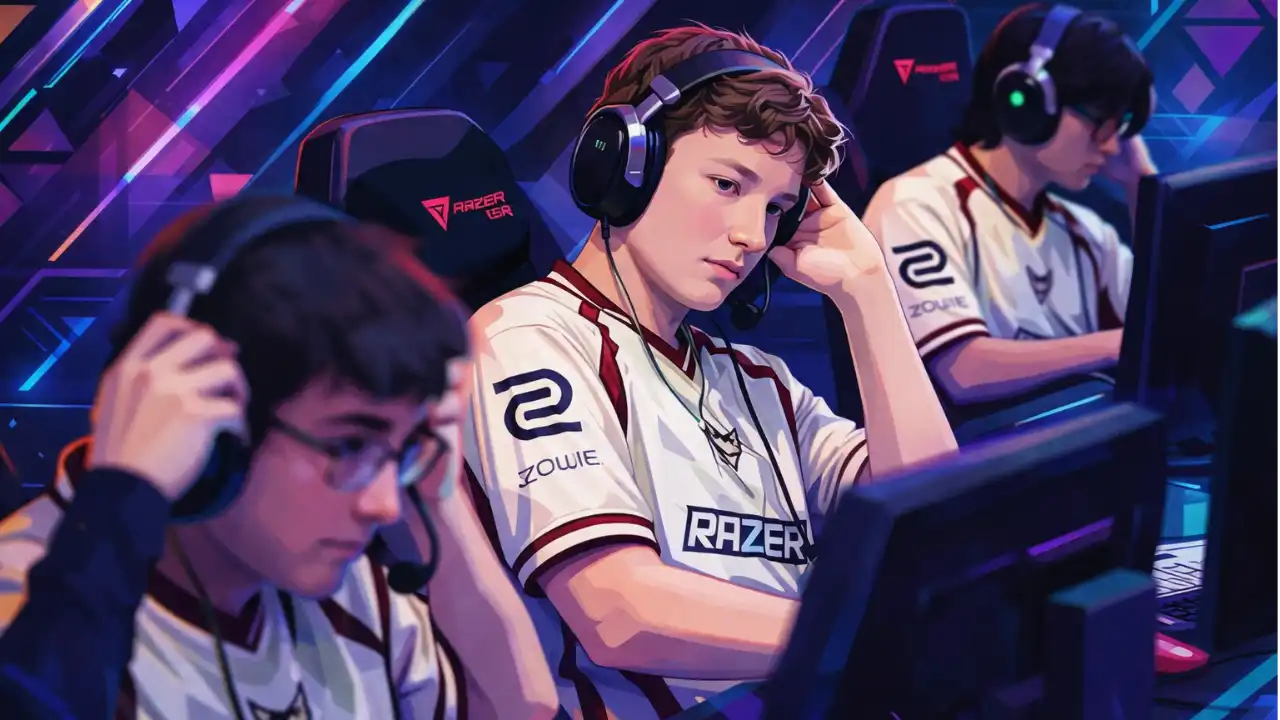

nilo: From “Freelance” Counter-Strike to the Search for Structure in HEROIC
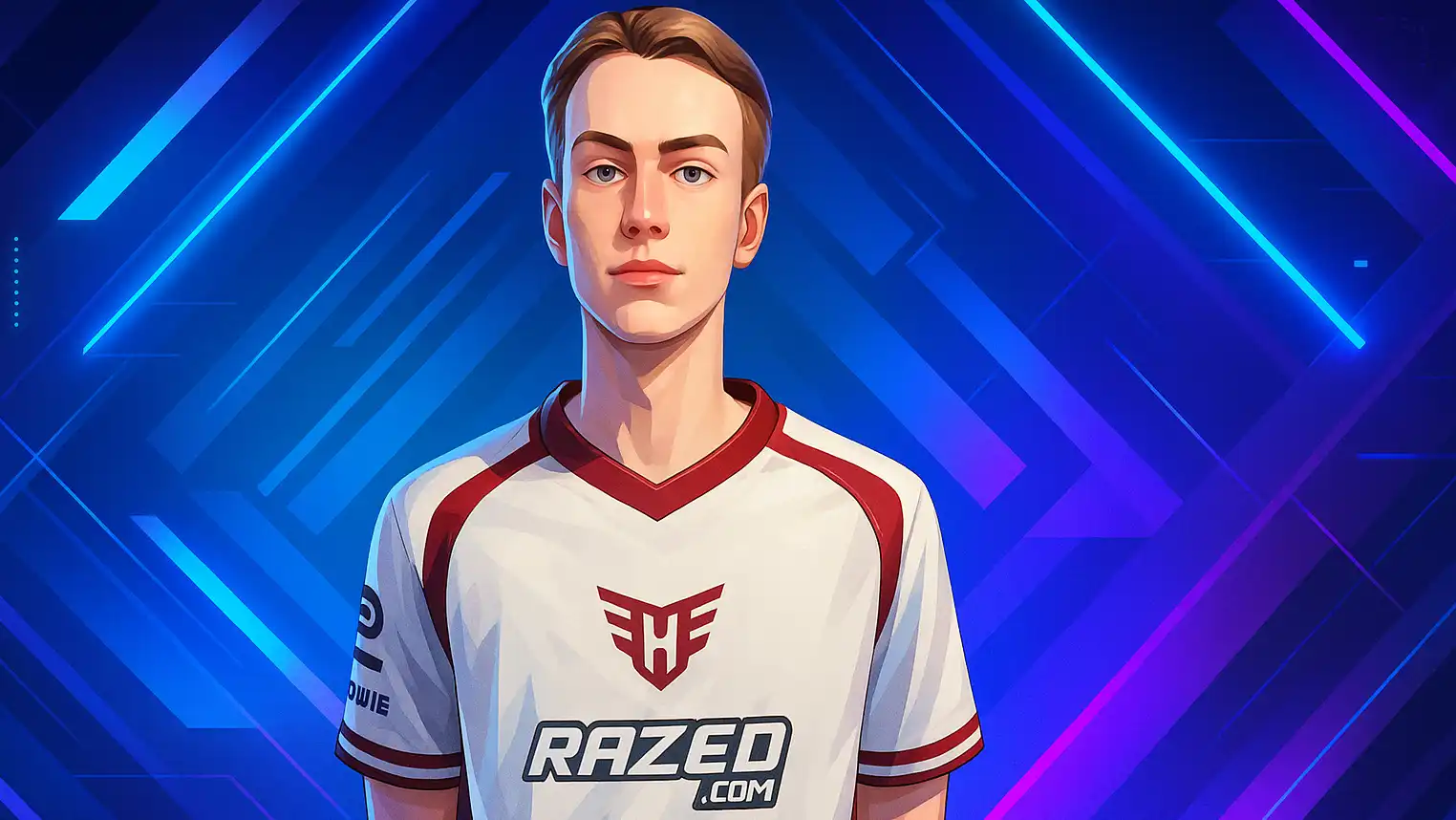
nilo: From “Freelance” Counter-Strike to the Search for Structure in HEROIC
HEROIC’s run at IEM Chengdu 2025 ended in the lower bracket at the hands of Spirit, but the series left a surprisingly positive aftertaste for Linus “nilo” Bergman. The Swedish rifler helped his team take Overpass, push Dust2 into overtime, and only then fall on Ancient as Spirit stayed alive in the tournament.
Speaking after the elimination, nilo admitted that expectations going into the match were modest. Spirit are one of the top teams in the world, and HEROIC came in with limited preparation. Still, the way they fought on the first two maps gave the squad something to build on rather than a loss to dwell on.
“We Tried to Do a Lot of Freelance” – Why HEROIC Want More Structure
Reflecting on his own performance, nilo was clear about the main issue: the team leaned too much into loose, instinct-based Counter-Strike.
He explained that they “tried to do a lot of freelance” and now feel they “just need more structure around it,” adding that he expects to perform much better once that structure is in place and he has more time to adapt to the team’s system.
He also noted that on some days, especially on T sides, the squad simply runs out of ideas — a sign that the playbook isn’t deep enough. When the team isn’t on its A-game, they lack reliable fallback plans, something HEROIC intend to fix through structured practice.
Lack of Practice and a Brutal Schedule
Part of the problem, according to nilo, is the lack of proper practice the team has had. Since the CAC event, HEROIC have been traveling for nearly three weeks straight, with little to no scrim time beforehand.
The players have mostly been adding new ideas on the fly between official matches rather than grinding consistent practice blocks. For a relatively fresh roster, that’s a big handicap — especially when facing polished teams like Spirit at a stacked event such as IEM Chengdu.
Managing Expectations and Chasing Consistency
At the start of the year, there was significant hype around nilo joining HEROIC. The 19-year-old was regarded as one of Scandinavia’s most promising riflers, and many expected him to become a breakout star once he reached tier-one play.
He acknowledges that he hasn’t fully hit that level yet. In Chengdu, he felt his consistency dipped compared to previous events, attributing that to inexperience and the ongoing process of adapting to his new team environment. For now, his focus is on rebuilding stability from match to match and improving within HEROIC’s evolving structure.
From Expensive Transfer to Early Bench – The Rollercoaster Before His Return
To understand where this interview comes from, it helps to look at the wild year nilo has had.
Before joining HEROIC, he was a key piece for Metizport, and the organization’s CEO revealed that his buyout was worth around a couple of million Norwegian kroner — a figure that underlined his rising value on the market.
When HEROIC began rebuilding their roster around Álvaro “SunPayus” García and coach Eetu “sAw” Saha, nilo was initially part of that new project. However, things didn’t go as planned. In January, the team announced that he would be moved out of the active lineup as Pavle “Maden” Bošković joined for the BLAST Bounty Finals, noting that nilo would need to fight for his spot again.
Rather than viewing the benching as a dead end, nilo used that time to reset and work on his individual form.
“I Really Missed Playing on a Team”
The story came full circle this summer. After a turbulent first half of the year — including his release from Metizport and the initial failed attempt to integrate him into HEROIC’s lineup — nilo finally returned to the active roster at the end of June.
He admitted that he “really missed playing on a team,” a simple yet powerful statement that reflected his hunger to compete again after months of uncertainty. In later interviews, he also spoke about how much he enjoyed representing Sweden again and emphasized his determination to prove himself as one of the region’s most promising young players.
The Current HEROIC Project Around nilo
The roster nilo returned to looks quite different from the one that originally signed him. By mid-2025, HEROIC had parted ways with SunPayus and sAw, who both moved to G2, benched Yasin “xfl0ud” Koç, and brought in young AWPer Gleb “gr1ks” Gazin alongside coach Tobias “TOBIZ” Theo.
When nilo rejoined the lineup in June, the move was described as a return “at a time of need” for a club that had to rebuild for the second season in a row.
Since then, HEROIC have shown flashes of quality — most notably at IEM Chengdu, where they upset Natus Vincere and pushed Spirit to the limit before exiting the tournament.
No Major, but Smaller Events and More Time Together
One of the more painful realities for the roster is that they won’t be attending the next Major. nilo called missing the biggest tournament in CS “of course hard,” but stressed that there will be other opportunities.
Instead, HEROIC’s plan is to focus on smaller tournaments — such as online circuits and CCT events — to build experience and cohesion. For a lineup that still lacks structure and practice time, those competitions could be exactly what they need to progress.
What the Chengdu Interview Reveals
Taken together, the Chengdu interview and the events surrounding it paint a clear picture:
nilo is self-aware about his shortcomings and the team’s structural problems.
He has already endured a high-profile benching and an expensive transfer.
He values team stability and is committed to putting in the work to succeed.
HEROIC, in turn, seem determined to give this rebuilt roster time to grow — even if that means grinding smaller events instead of chasing instant tier-one results.
If HEROIC can channel their “freelance” style into something more structured, IEM Chengdu may one day be remembered not as another early exit, but as the moment when nilo and his team finally figured out how they want to play.
Related News
.webp)