
TDK Secure Title at ESL Challenger League Season 51 Europe Cup 1 — A Major Step in Their 2026 CS2 Campaign


TDK Secure Title at ESL Challenger League Season 51 Europe Cup 1 — A Major Step in Their 2026 CS2 Campaign
In the rapidly evolving European Counter-Strike 2 scene, the newly formed lineup playing under the TDK banner claimed a major early-season victory at the ESL Challenger League (ECL) Season 51 Europe Cup 1, besting Alliance in a hard-fought 2-1 grand final to lift the trophy and take home the $12,000 top prize.
The online tournament, a B-Tier event featuring a $25,000 prize pool, ran from February 13 to February 24, 2026, bringing together 48 European teams in a double-elimination bracket of best-of-three series. Winning Cup 1 also earned TDK an important berth at the ESL Challenger League Season 51 Europe Finals — a stepping stone toward potentially even larger events later this year.
Road to the Final
TDK’s run through the bracket was demanding: over 11 days, they contested six best-of-three matchups, showing resilience and consistency through all stages. Key victories along their path included series wins against GenOne and MOUZ NXT, both respected competitors in the European scene, before culminating in their final clash with Alliance.
Their performance was marked not only by solid teamwork and tactical adaptability, but also by standout individual play across the roster — contributions that lifted TDK from an unproven group to tournament champions in just a matter of weeks.
Grand Final Breakdown
The championship match — contested as a BO3 — unfolded as follows:
-
Map 1 — Anubis: Alliance came out strong with a 13-7 win, taking early control of the series.
-
Map 2 — Inferno: TDK responded emphatically, dominating 13-8 to force the decider.
-
Map 3 — Ancient: In the climactic final map, TDK carried their momentum to secure a 13-7 victory, sealing the series 2-1 and the Cup title.
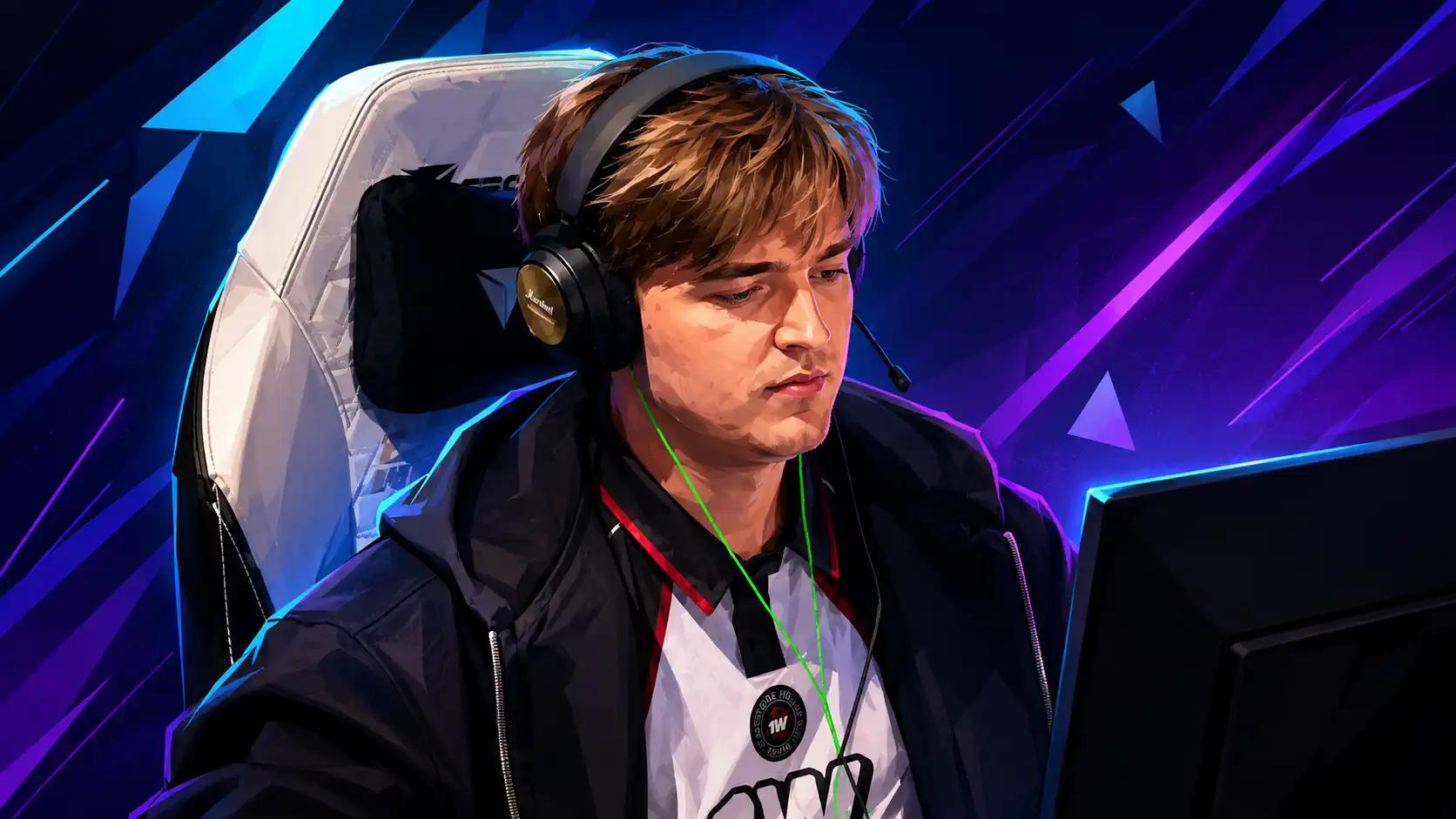
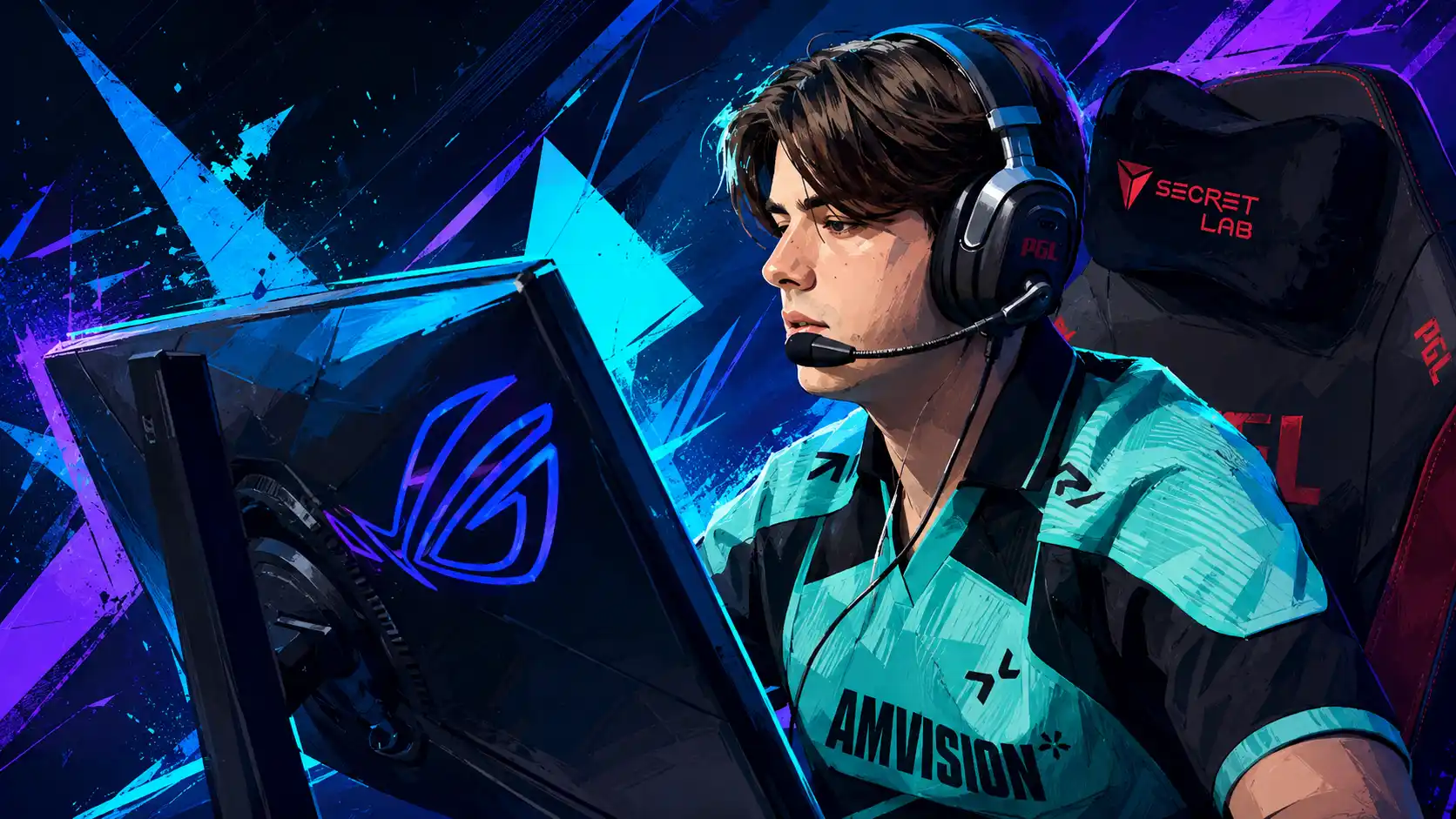
Across those maps, TDK’s Vladislav “nafany” Gorshkov and Sergey “Ax1Le” Rykhtorov served as primary firepower, with nafany’s fragging output and Ax1Le’s damage numbers among the highest — underscoring their return to form after team changes and a period of roster reshuffles in the European CS2 landscape.
Rankings & Impact
By winning this Cup, TDK not only secured a trophy but also boosted their ESL Challenger League VRS ranking points significantly — helping them jump over 30 places in live regional rankings to sit just outside the top 60. This improved positioning can lead to better seeding at future ESL Challenger events, and ultimately influence qualification paths for high-tier offline competitions and potential invites to larger circuits like ESL Pro League later in the year.
What This Means for TDK Going Forward
Formed only at the start of 2026, TDK has quickly emerged as one of the more intriguing teams on the European Challenger circuit. Prior to this Cup run, they had entered very few competitions together, making this victory a statement of intent for a roster that includes both veterans and rising talents.
At least two other online events — the NODWIN Clutch Series 5 and CCT Europe Series 16 — remain on their schedule, with TDK already showing positive results in both. Their performance there will provide further insight into whether this triumph represents a one-off achievement or the beginning of consistent competitiveness.
Community Reaction
Discussion among fans and analysts highlighted TDK’s impressive cohesion at an early stage, particularly praising nafany’s performance — a player widely regarded for his success on top-tier teams in previous years. Many observers also noted that despite being a newly assembled mix of players without a long-standing organizational backing, the squad displayed tactical discipline and the potential to compete even beyond regional online events.
Event Context
The ESL Challenger League Series serves as one of the primary feeder circuits for larger ESL competitions. Winners of regional Cups like this typically secure spots in Season 51 Europe Finals, and strong performances there can lead to advances within the broader ESL Pro Tour ecosystem — a pathway that has launched many teams from the Challenger level into global competition.
Related News
.webp)