
nafany Explains Why European Benched Players Should Follow TDK’s Path

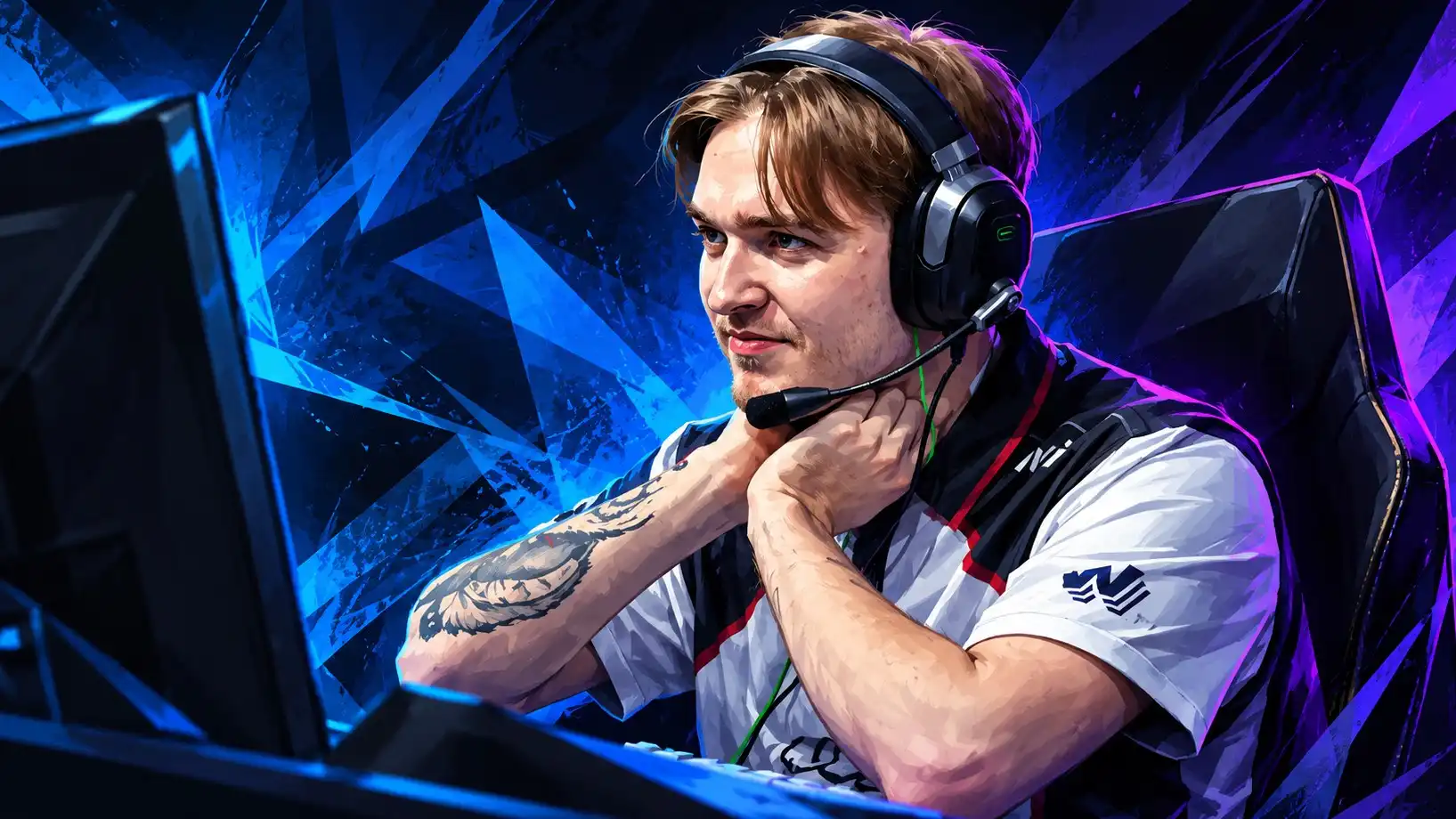
Vladislav “nafany” Gorshkov believes more benched Counter-Strike 2 professionals should take control of their careers instead of waiting for organizations to offer them another opportunity.
Speaking to HLTV after 1win secured an ESL Pro League Season 24 playoff berth, nafany pointed to the path taken by TDK — the self-funded project he built alongside Sergey “Ax1Le” Rykhtorov and coach Konstantin “groove” Pikiner — as a model that European players could potentially replicate.
The argument carries extra weight because TDK is no longer simply an experiment. The project won its way into ESL Pro League, was subsequently acquired by 1win, and has now defeated G2, Legacy, and Spirit during its run in Katowice.
Quick Summary
| Key point | Details |
|---|---|
| Main speaker | Vladislav “nafany” Gorshkov |
| Current team | 1win |
| Former project | TDK |
| Core idea | Benched players can build and finance their own competitive projects instead of waiting |
| Why Europe? | nafany cited cheaper travel and access to many LAN events |
| TDK outcome | Qualified for ESL Pro League S24 before transferring to 1win |
| EPL S24 status | 1win reached the playoffs |
| Notable EPL wins | G2, Legacy, Spirit |
| VRS impact | HLTV reported 1win reaching No. 11 on the live VRS after the Spirit victory |
| Major outlook | HLTV estimated an 89% Major qualification chance at the time of the interview |
The VRS position and Major probability above are time-sensitive figures reported by HLTV on October 6 and should not be treated as permanent rankings.
What Did nafany Say About European CS2 Players?
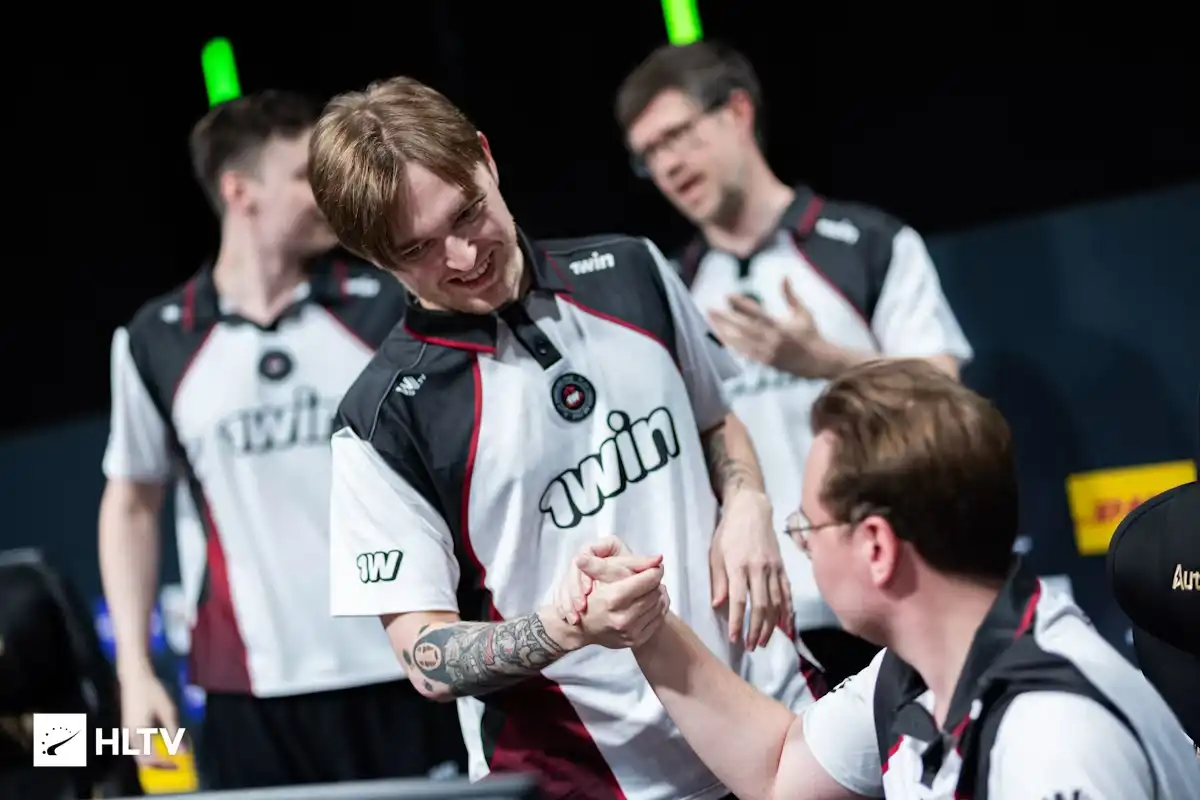
nafany believes more benched European players could invest in their own projects instead of waiting for organizations to build teams around them.
The central point of nafany’s interview was that players who find themselves benched do not necessarily have to wait for another organization to assemble a roster around them.
Referring to the TDK experiment, nafany said:
“I still don't really understand why players in Europe aren't doing the same as we did with TDK, because from my POV, it's easier.”
He specifically highlighted travel costs and the number of accessible LAN competitions in Europe, arguing that players can effectively “invest in their future” by financing their own competitive activity.
That does not mean TDK itself had an easy route.
nafany explained that only he was a free agent at one stage, while other members remained tied to organizations. He also noted that contractual restrictions can complicate participation for benched players.
His broader criticism was therefore aimed less at the absence of organizations and more at the willingness of established players to create opportunities themselves.
From TDK to 1win: Why nafany’s Argument Has Context
TDK was formed in January 2026 around several players who had found themselves outside active top-level lineups.
The project reunited nafany with Ax1Le and groove, three figures with extensive shared history from their Gambit and Cloud9 days. The original lineup also included zorte, Xant3r, and sugaR.
Rather than simply waiting for transfer offers, the players planned to compete and improve their position through Valve's ranking ecosystem.
nafany explained the philosophy when TDK was announced: the market situation and the players' unwillingness to “wait and see” pushed them toward building their own roster.
The approach came with substantial financial risk.
In April, nafany told HLTV that TDK was effectively operating at a loss. Players were covering costs associated with flights, hotels, tournament entries, and other expenses normally handled by an organization.
That makes the team's subsequent trajectory particularly relevant to his latest comments.
TDK Timeline: From Orgless Project to ESL Pro League Playoffs
| Date | Development | Significance |
|---|---|---|
| January 17, 2026 | nafany, Ax1Le and groove announce TDK project | Experienced benched players create an independent roster |
| February 24 | TDK wins ECL Season 51 Europe Cup 1 | Early competitive breakthrough and VRS progress |
| April 12 | nafany discusses TDK's financial burden | Reveals the cost and risk behind the self-funded model |
| May 6 | nafany becomes a free agent | Removes his remaining contractual tie to AMKAL |
| May 29 | TDK qualifies for ESL Pro League Season 24 | Project earns a major international opportunity |
| July | fame and BELCHONOKK join the evolving roster | TDK reshapes its lineup |
| August 1 | TDK roster transfers to 1win | Independent project secures organizational backing |
| October 6 | 1win defeats Spirit and reaches EPL S24 playoffs | The former TDK core converts its opportunity into a notable international run |
TDK's February ECL Cup victory was particularly important to the project's early development. HLTV reported that the run earned the team 149 VRS points and moved it 33 positions to No. 62 on the live ranking at the time.
The larger breakthrough arrived in May, when TDK won the European ESL Challenger League Season 51 Finals and qualified for ESL Pro League Season 24 in Katowice.
How TDK Became 1win
The project eventually demonstrated another possible advantage of competing independently: a functioning lineup can become an acquisition target rather than forcing individual players to search for separate contracts.
On August 1, the TDK lineup officially moved under the 1win banner.
Current 1win Lineup
| Member | Status/role |
|---|---|
| Vladislav “nafany” Gorshkov | Player / IGL |
| Sergey “Ax1Le” Rykhtorov | Player |
| Petr “fame” Bolyshev | Player |
| Andrey “BELCHONOKK” Yasinskiy | Player |
| Artem “ArtFr0st” Kharitonov | Player |
| Konstantin “groove” Pikiner | Coach |
HLTV reported at the time of the transfer that fame joined permanently from Virtus.pro, Ax1Le joined permanently from BETBOOM, while ArtFr0st and BELCHONOKK joined 1win on loan.
This lineup is materially different from the original January TDK roster, but the project's central leadership structure — nafany, Ax1Le and groove — survived the transition.
Why This Matters
nafany's comments touch on a larger structural question in modern professional Counter-Strike: what should proven players do when they are benched but still capable of competing?
Historically, established professionals often depended heavily on organizations to negotiate transfers, build teams, cover travel expenses, and secure tournament opportunities.
The TDK route offers a different possibility.
Players can theoretically assemble an independent lineup, compete in accessible events, build ranking value, and demonstrate that the roster works before seeking organizational backing.
TDK provides a concrete 2026 example of that process:
benched players → independent roster → tournament grind → EPL qualification → organization → international playoffs.
That does not make the strategy universally viable. Travel costs, entry fees, contracts, visas, prize-money uncertainty, and access to suitable events can all make an independent project financially risky.
TDK itself demonstrated those problems.
The Economics Behind nafany’s Argument
The strongest counterpoint to nafany's position actually comes from nafany himself.
During an April interview, he described TDK as operating at a financial loss and explained that the roster had to cover significant expenses for travel, accommodation, and tournament participation.
That creates a substantial barrier.
An established professional with previous earnings may be able to absorb several months of costs. A younger player without comparable financial resources may not.
There is also no guarantee that an independent roster will reproduce TDK's results.
For every team that earns an ESL Pro League berth or attracts an organization, others may spend months competing without achieving enough VRS progress to make the investment sustainable.
So TDK should be viewed as evidence that the model can work, rather than proof that it will work for everyone.
Tactical Impact: Why the Reunion Also Worked Inside the Server
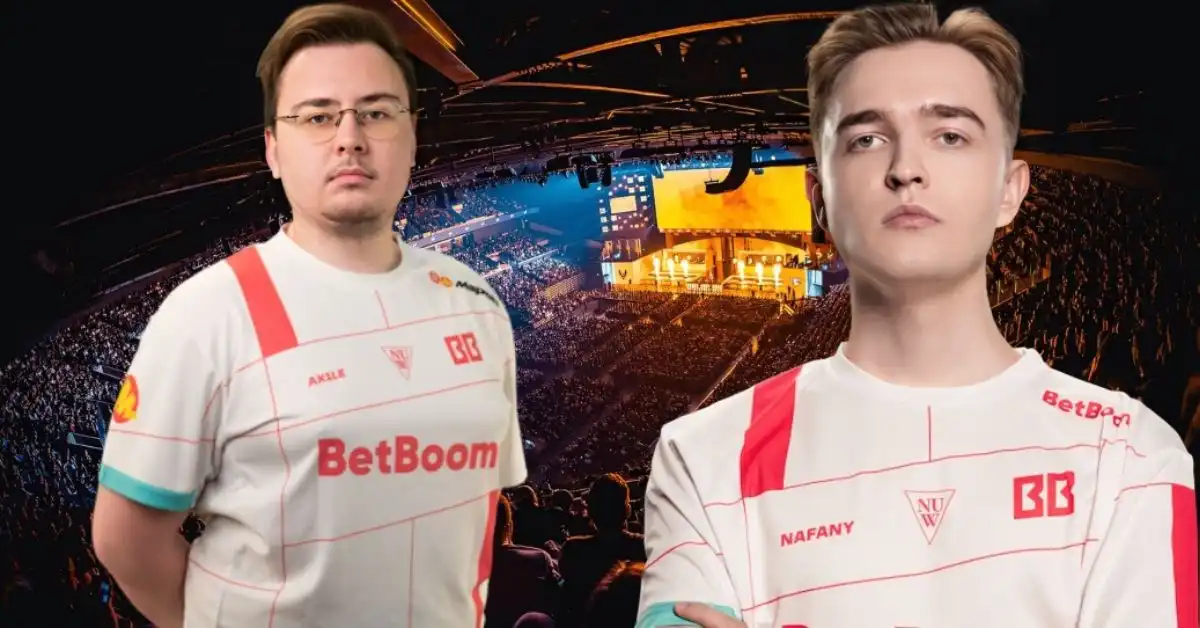
nafany's long-standing connection with Ax1Le gives the former TDK core competitive continuity that many newly assembled teams lack.
The TDK story is not purely about financing.
There is also a competitive component.
nafany highlighted his renewed partnership with Ax1Le, arguing that the team understands how to use the rifler effectively. He specifically pointed to familiar positions and the established working relationship between Ax1Le, nafany, and groove.
That continuity matters.
Instead of building an orgless lineup from five players with no shared system, TDK began with a core that already understood each other's tendencies from their Gambit and Cloud9 years.
It reduced one of the risks associated with independent teams: needing months to develop an entirely new tactical identity.
Player Role Analysis
For nafany, the project also represents more than simply finding another roster spot.
As the team's in-game leader, he helped shape the competitive structure around familiar personnel. Against Spirit, he explained that 1win approached preparation much like it would against other structured teams, while describing Vitality as more difficult to predict because of the chaos he associates with apEX's influence.
That gives 1win's rise an important tactical dimension: the roster is not succeeding solely because established names became available. It has also rebuilt working relationships between players who already know how to function together.
Tournament Impact: ESL Pro League S24 Changes the TDK Story
Qualifying for ESL Pro League was already validation for the independent project.
Reaching the playoffs makes the story considerably stronger.
At the time of nafany's interview, 1win had already defeated G2 and Legacy before beating Spirit to secure its playoff place.
The Spirit result was particularly notable because nafany faced former teammate sh1ro while 1win took down one of the tournament's major contenders.
Yet nafany resisted reducing the victory to that individual storyline, emphasizing instead the long road required to reach this point.
That perspective fits the broader TDK narrative: the important result is not one upset, but the progression from an orgless lineup paying its own expenses to competing in the playoffs of a major international event.
VRS and Major Impact
There is also a potentially much larger reward.
HLTV reported immediately after 1win's successful EPL run that the team had risen to No. 11 in the live VRS, with an estimated 89% probability of qualifying for the Major at that moment.
These figures are dynamic and can change as other tournaments and ranking updates are completed.
Still, they illustrate why nafany describes independent competition as an investment rather than simply an expense.
TDK initially wanted to climb Valve's rankings. Months later, its successor lineup was positioned within reach of the biggest tournament in Counter-Strike.
Historical Comparison: The Gambit Connection
The reunion between nafany, Ax1Le, and groove gives TDK an unusual advantage compared with a typical mix team.
The trio previously worked together in Gambit and later Cloud9. When TDK was announced in January, HLTV specifically framed the project around that reunion.
Their existing relationship means the current story can be viewed as a second competitive cycle.
The first was built inside established organizations.
The second began outside one.
That distinction makes TDK particularly interesting as a case study in the modern CS2 ecosystem.
What Has Changed Now?
TDK is no longer an orgless experiment.
The core has organizational backing from 1win, a reshaped roster, an ESL Pro League playoff appearance, and significantly greater competitive visibility than it had at the beginning of 2026.
The biggest change is therefore leverage.
In January, the players needed tournaments to prove that the project deserved attention.
By October, opponents have a reason to prepare specifically for them.
nafany acknowledged exactly that after the team's early EPL surprises, noting that future opponents would likely be better prepared for 1win.
The underdog advantage may consequently become smaller from here.
What to Watch Next
The immediate test is whether 1win can convert its ESL Pro League breakthrough into sustained results.
Three questions now stand out.
Can 1win reproduce its group-stage level in the playoffs? Opponents now have considerably more material to study and less reason to underestimate the roster.
Can Ax1Le maintain his resurgence? nafany believes the familiar structure is helping the former Gambit star, and his form could significantly affect 1win's ceiling.
Can the former TDK core reach the Major? The live VRS picture cited by HLTV put the team in a strong position, but ranking calculations remain dynamic until the relevant qualification process is settled.
FAQ
What did nafany say about European CS2 players?
nafany said he does not understand why more European players are not attempting something similar to TDK. He argued that Europe offers comparatively accessible travel and numerous LAN opportunities, making self-funded competition a possible route for benched professionals.
What was TDK?
TDK was an independent Counter-Strike project formed in early 2026 around nafany, Ax1Le, groove, and other players who were either benched or outside active organizational lineups.
Did TDK become 1win?
The TDK roster was acquired by 1win on August 1, 2026, although the lineup had changed from its original January configuration.
How did TDK qualify for ESL Pro League Season 24?
TDK earned its ESL Pro League Season 24 berth by winning the European ESL Challenger League Season 51 Finals.
Why is the TDK project significant?
TDK provides a recent example of experienced benched players forming an independent team, financing competition themselves, building competitive results and VRS value, qualifying for a major international tournament, and ultimately securing organizational backing.
Related News
.webp)