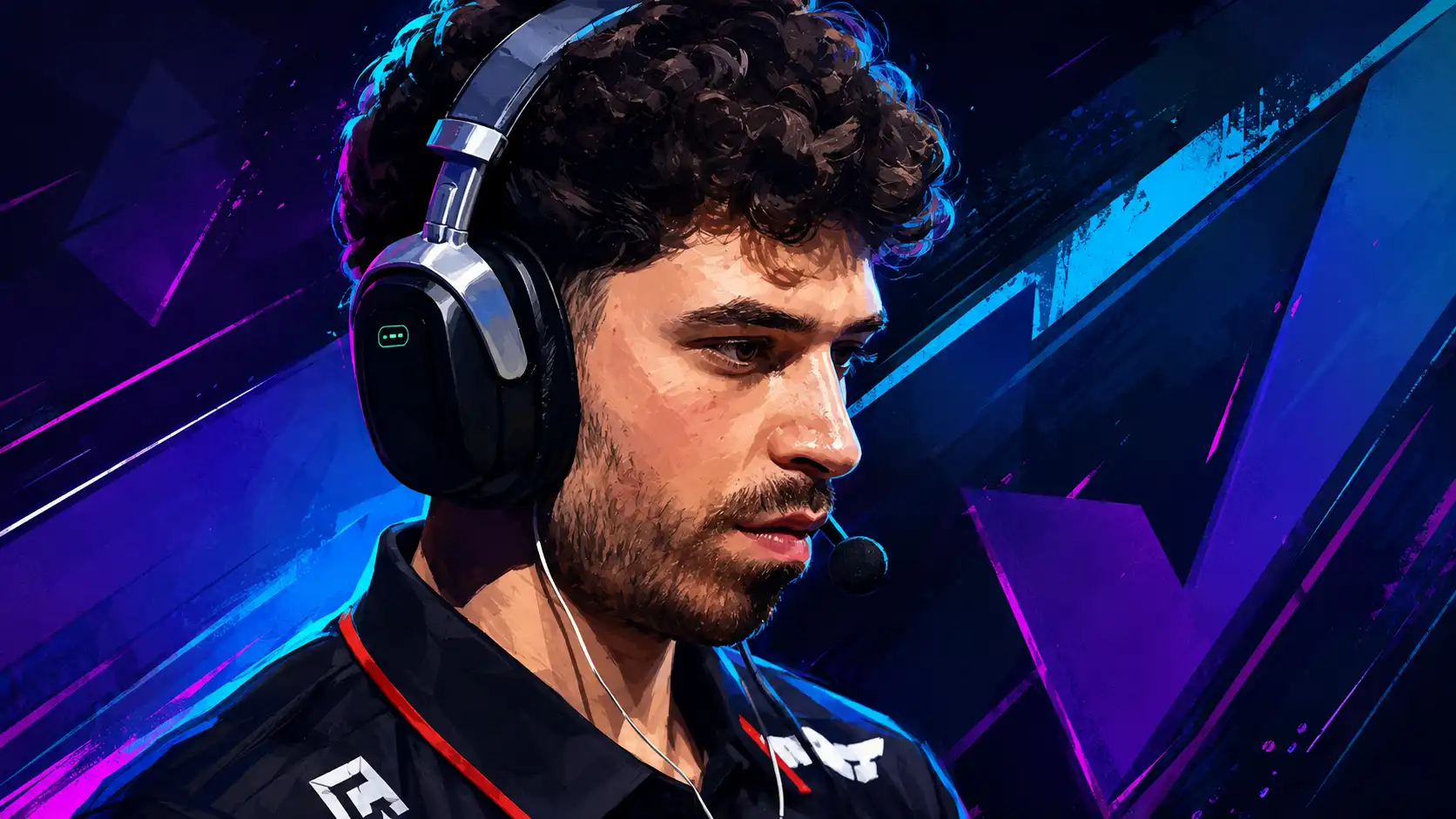

MOUZ Roster Shake-Up: Justinas "jL" Lekavicius and Adrian "xelex" Vincze in Focus on HLTV Come Here Analysis


The latest episode of the HLTV analytical show Come Here turned its attention to one of the most talked-about roster moves in the current Counter-Strike scene: MOUZ’s decision to bring in Justinas “jL” Lekavicius and promote rising talent Adrian “xelex” Vincze. The discussion, featuring analyst Alex “hawka” Hawkins as a guest, explored both the short-term implications and the long-term gamble behind this double acquisition.
MOUZ’s roster shake-up did not come out of nowhere. In recent weeks, the organization has been signaling a shift toward youth development and structural rebuilding. Earlier reports highlighted that the team was preparing for a “major overhaul,” with xelex being promoted internally while jL joined on loan as part of a broader strategic reset. This context is crucial: rather than a simple roster tweak, the move represents a deliberate change in philosophy.
During the podcast, hawka and the hosts examined the contrasting profiles of the two players. jL arrives as a proven high-impact rifler with experience at the top level—having previously ranked among the world’s elite players—bringing immediate firepower and leadership qualities. In contrast, xelex is still largely unproven in tier-one competition, with no major trophies or achievements recorded so far. His inclusion reflects MOUZ’s willingness to invest in potential rather than established results.
One of the key talking points was how these additions affect the team’s identity. MOUZ has increasingly leaned into a development-driven model, similar to previous iterations of its academy system. Analysts noted that integrating a young player like xelex alongside a more established figure like jL could create a balanced dynamic—if managed correctly. However, this approach also carries inherent risks, especially in a highly competitive tier-one environment where consistency is critical.
Another angle discussed was the tactical impact. The panel questioned how MOUZ would structure roles following the changes, particularly given previous concerns about role overlap and lack of clear anchors in the lineup. Earlier analytical coverage even described the team as going “anchorless,” emphasizing experimentation and flexibility over traditional role definitions. The addition of jL could stabilize certain positions, but integrating xelex may require further adjustments.
Beyond immediate gameplay concerns, the move was also framed as part of a broader trend in Counter-Strike. Organizations are increasingly willing to take calculated risks on younger players, betting on long-term growth instead of short-term stability. MOUZ has historically been one of the teams most associated with this philosophy, and this latest roster change reinforces that identity.
The discussion ultimately did not arrive at a definitive verdict. Instead, it highlighted a familiar dilemma in esports roster building: balancing proven talent with emerging prospects. jL’s presence offers a level of reliability and experience, while xelex embodies the uncertainty—and potential upside—of youth development. Whether this combination will translate into consistent results remains an open question.
What is clear, however, is that MOUZ’s decisions are being closely scrutinized by analysts and fans alike. The organization’s willingness to experiment, even at the highest level of competition, ensures that its progress—or struggles—will remain a major storyline in the months ahead.
Related News