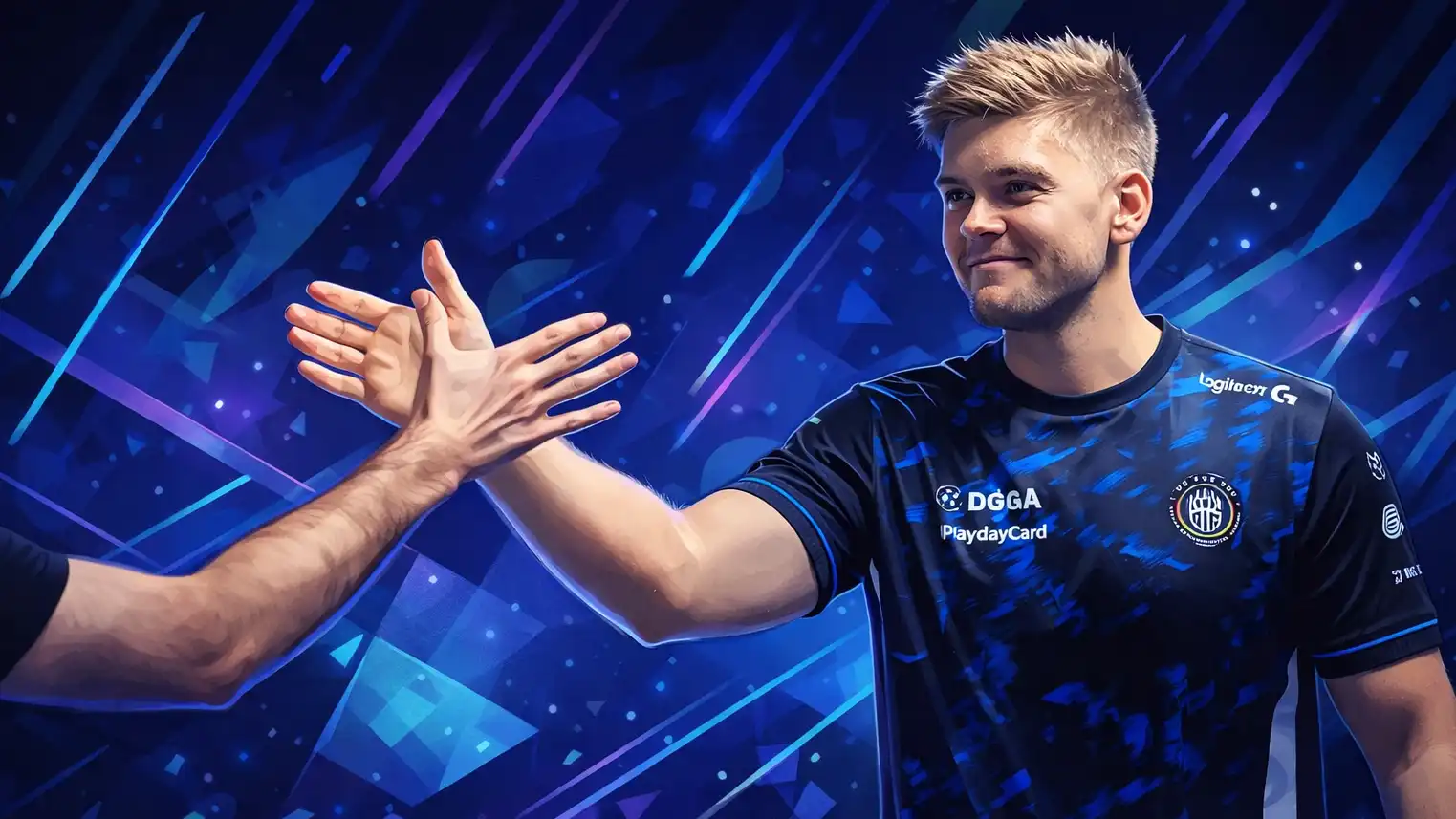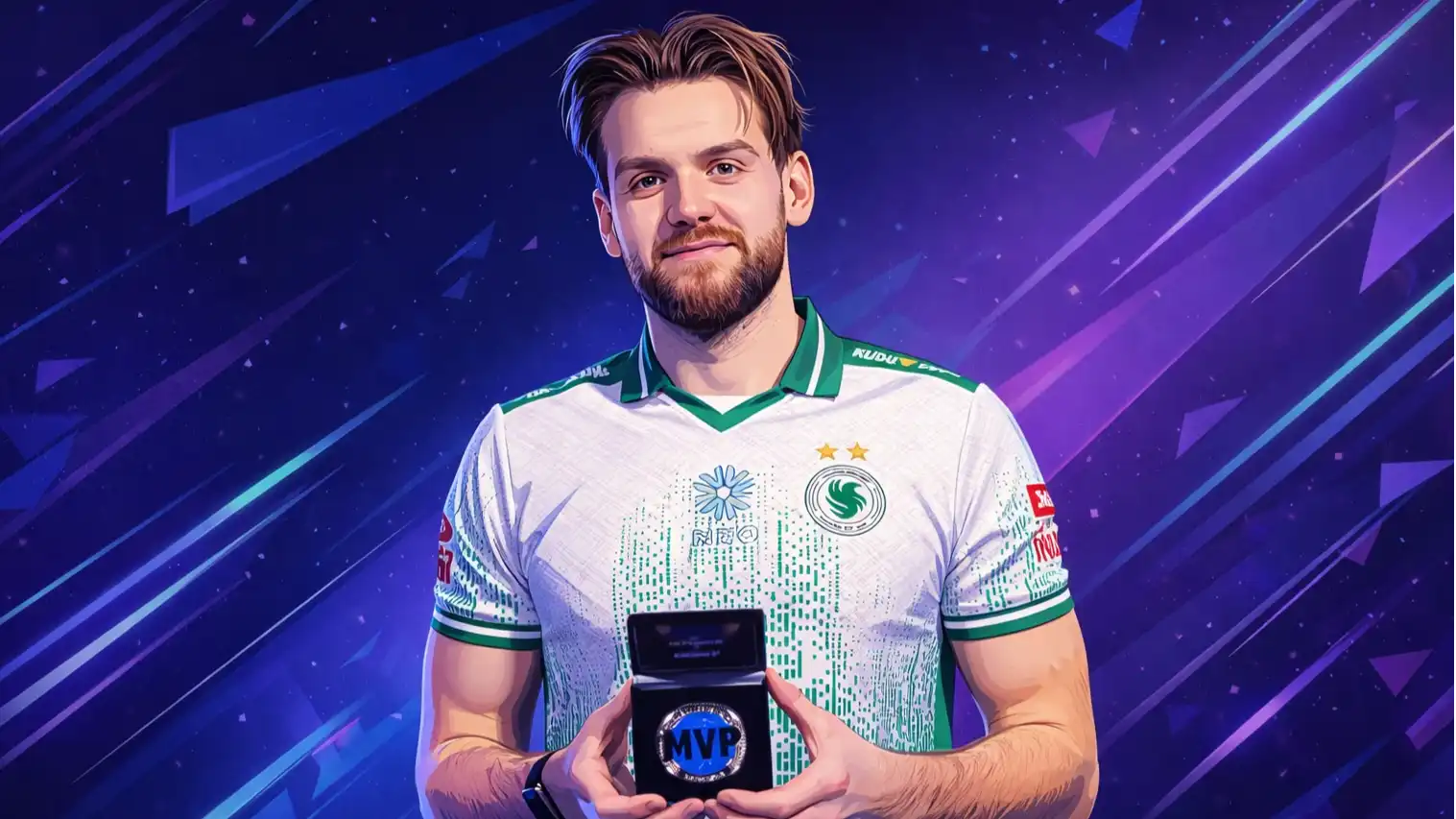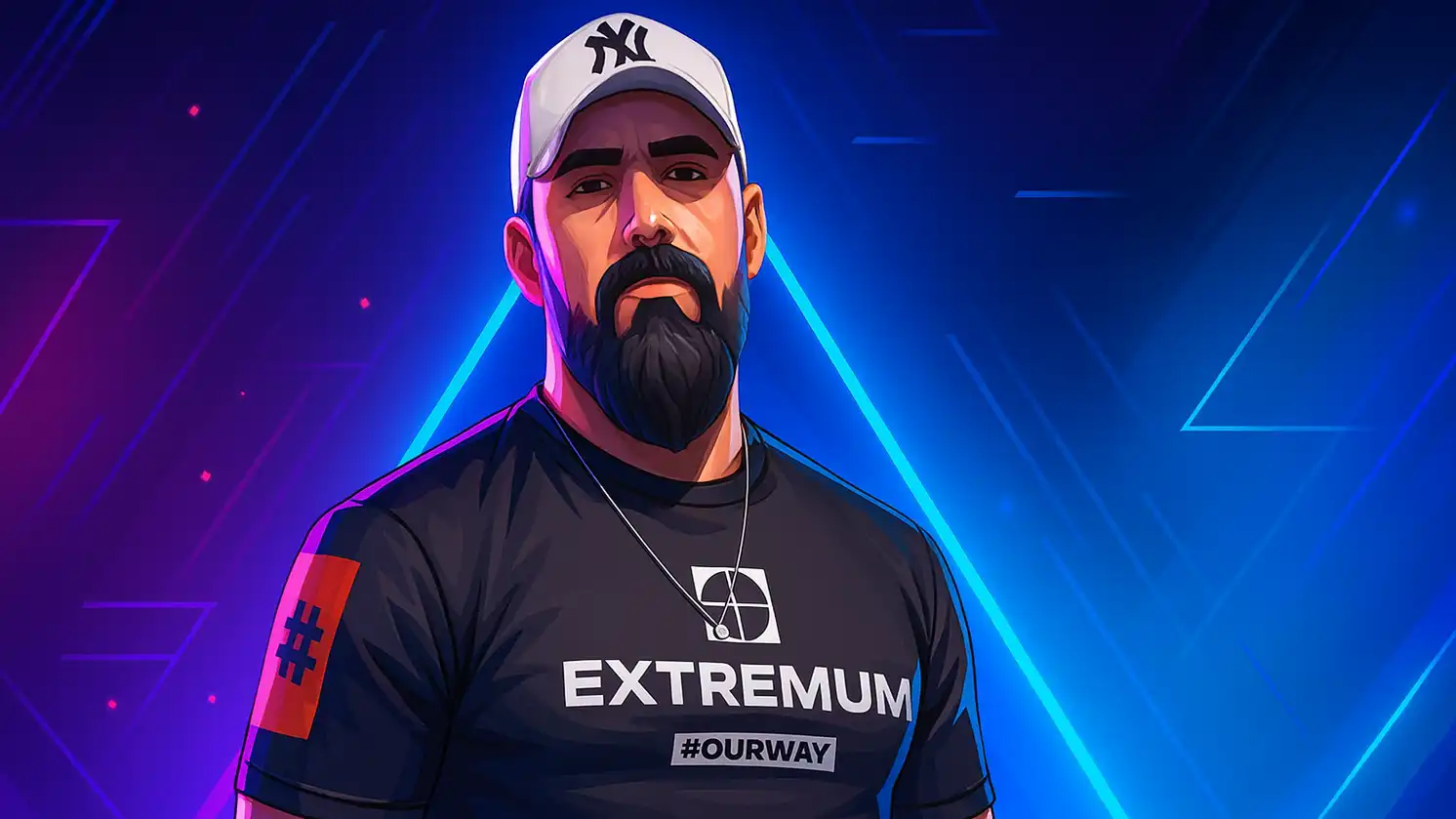

kassad: NiKo “Ruined Counter-Strike” by Starting the Superteam Era

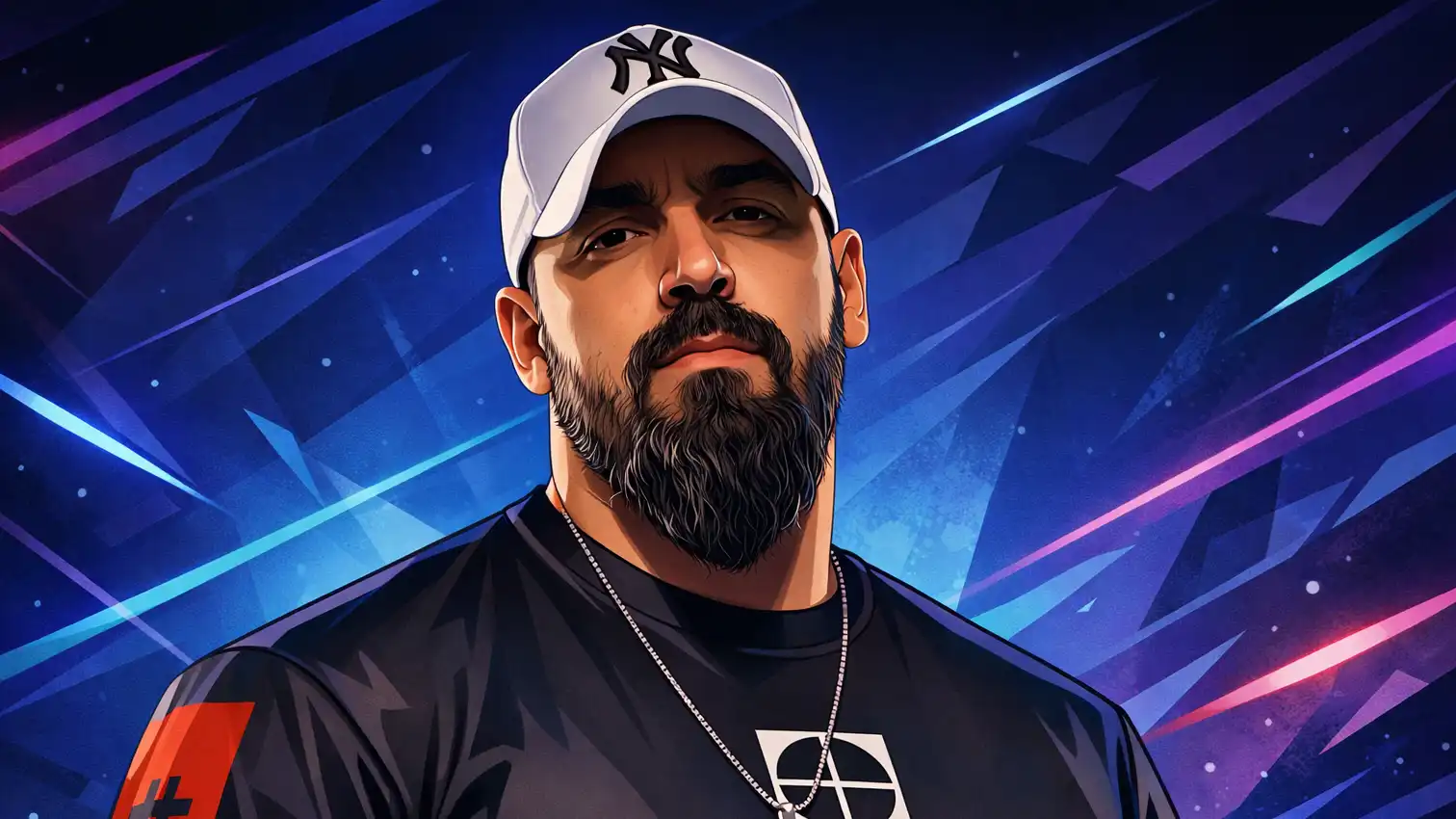
kassad: NiKo “Ruined Counter-Strike” by Starting the Superteam Era
Counter-Strike 2 news | CS2 roster moves | NiKo | Superteams | kassad
Former CS coach and analyst Aleksandar “kassad” Trifunović has sparked heated debate in the Counter-Strike community after claiming that Nikola “NiKo” Kovač played a key role in damaging the CS scene by popularizing the era of “superteams.”
Speaking about the current state of professional Counter-Strike, kassad argued that the obsession with stacking star players into one lineup has led to instability, unrealistic expectations, and constant roster changes — a trend he believes began with NiKo’s career trajectory.
kassad’s statement and the superteam criticism
According to kassad, modern Counter-Strike has shifted away from long-term team building toward short-term, results-driven roster projects, where organizations attempt to assemble multiple superstar players at once.
He directly pointed to NiKo as the player who symbolized — and helped normalize — this approach, stating that the Bosnian rifler “started the whole superteam topic,” which later became standard practice for top-tier organizations.
The analyst emphasized that earlier CS eras valued chemistry, structure, and patience, whereas today’s scene often collapses projects after just a few disappointing tournaments.
Why NiKo is always at the center of superteam debates
NiKo has been one of the most influential and mechanically gifted riflers in Counter-Strike history, playing a central role in several high-profile lineups:
FaZe Clan’s international star project
G2 Esports’ long-term title-contending roster
The recent big-budget Team Falcons CS2 project
Because of this, NiKo has frequently become the face of “win-now” roster building, even when he was not responsible for management decisions.
Importantly, NiKo himself has publicly acknowledged the core issue of superteams — lack of space and conflicting roles.
“It’s hard to have space for three stars in the team. Someone always has to sacrifice,”
NiKo said in an interview, reflecting on playing in star-studded lineups.
This quote aligns with kassad’s broader point about role compression and identity problems, without assigning personal blame.
The superteam era did not start with NiKo — but he represents it
While kassad’s take is deliberately provocative, the idea of superteams predates NiKo and has been discussed in Counter-Strike for more than a decade. However, the difference today is scale:
Larger buyouts
Higher salaries
Faster roster turnover
Public pressure amplified by social media and ranking systems
Modern coverage by major outlets regularly labels top projects as “superteams,” showing how normalized the concept has become in CS2.
Community reaction: controversial but not ignored
kassad’s statement split opinion across the CS community:
Supporters argue that superteams weakened tier-2 scenes and reduced long-term rivalries
Critics say blaming one player oversimplifies structural problems driven by organizations, money, and the open market
Notably, kassad has previously stated that he respects NiKo as a player and would support him at major tournaments, suggesting the criticism is aimed at the system, not personal animosity.
What this means for CS2 going forward
As Counter-Strike 2 continues to evolve, the superteam debate remains one of the scene’s most polarizing topics:
-
Star-stacked rosters bring hype, sponsorships, and viewership
-
But they also increase pressure, instability, and short project lifespans
NiKo’s career — and kassad’s criticism — highlight the ongoing tension between individual brilliance and sustainable team building in modern Counter-Strike.
Whether superteams are truly “ruining CS” or simply the natural evolution of a global esport remains an open question — but the discussion is far from over.
Related News