
Nemanja “huNter-” Kovač on Personal Consistency, G2’s Start to 2026 and Leadership Goals
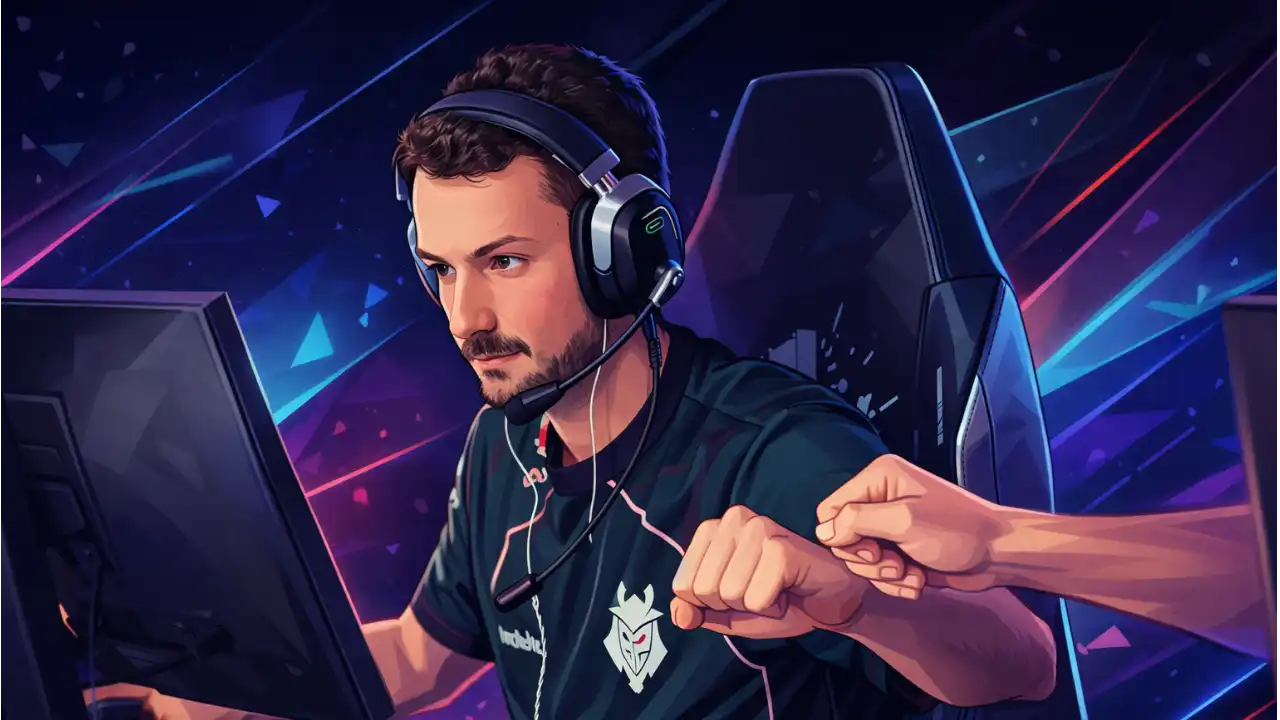
Nemanja “huNter-” Kovač on Personal Consistency, G2’s Start to 2026 and Leadership Goals
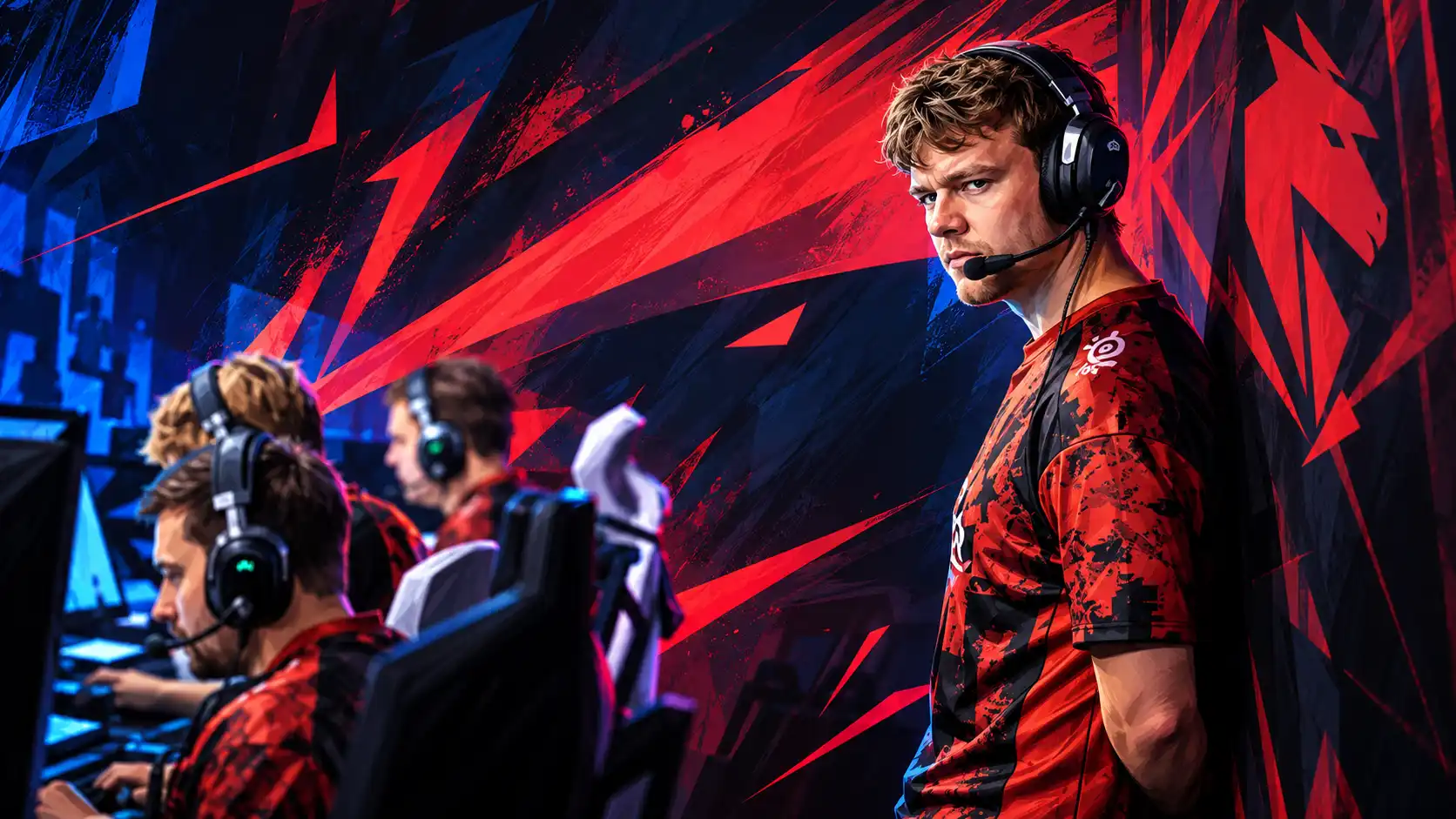
Nemanja huNter- Kovač, the 30-year-old Bosnian CS:GO captain and in-game leader (IGL) of G2 Esports, has openly addressed one of the biggest narratives surrounding his individual play — the quest for consistency. As he and his team continue their run at IEM Kraków 2026, huNter- reflected on both his own performance trajectory and what lies ahead for G2 during a pivotal early season stage.
G2 entered 2026 without altering its roster — a relatively rare choice in the modern competitive CS scene, where teams often shuffle players between seasons to chase rapid improvements. This stability, huNter- believes, has given the squad a strong platform to build upon.
At the group phase of IEM Kraków, G2 secured wins over teams including Passion UA and Liquid to progress to the Stage 2 bracket, with huNter- himself posting impressive stats that positioned him as one of the team’s highest-rated performers during Stage 1. Against The MongolZ, for example, his rating peaked around 1.39 — notable for an IGL who is balancing leadership duties with fragging responsibility.
Balancing Leadership and Performance
When asked about his early form in Poland, huNter- was forward about his mindset following a season marked by swings between highs and lows. Last year, he said, included “really good and really bad moments,” and his ambition for 2026 is to smooth out those extremes. Contrary to what some fans or analysts might hope for, huNter- isn’t chasing astronomical HLTV ratings (like a hypothetical 1.30+ figure) purely for the sake of numbers.
“I don’t expect to have 1.30 ratings all of a sudden as an IGL, but … I want just a bit more consistency and try to help the team the best I can in all ways.”
He acknowledged that the biggest challenge to consistent output starts with his own mindset. Learning when to compartmentalize focus, when to relax, and how to manage performance pressures are ongoing priorities.
This self-awareness marks a notable evolution from previous years. Previously, huNter- has spoken about the mental demands of high-level competition — including the intense environment of RMR and Major events — and how such pressure influenced his approach to the game.
Team Trust and Coaching Backing
huNter- also stressed that the support of his teammates and coaching staff plays an essential role in his development as a leader. The trust he shares with his roster — including newer additions like malbsMd and continuity from other core members — has been crucial as he adjusts to strategic leadership roles.
While an IGL typically sacrifices some individual output to focus on decision-making and macro game control, huNter- believes that finding a balance between fragging capacity and leadership responsibilities will be central to G2’s ambitions this year.
G2’s choice to skip early events like BLAST Bounty in favor of practice and preparation for Kraków was a deliberate strategic move. The team hoped that reducing travel and competition fatigue would help sharpen both tactical cohesion and individual rhythm. huNter- sees positives in that decision but also acknowledges the trade-offs of less frequent official match practice leading into big LAN competitions.
The Broader Context of Consistency in CS:GO
The concept of rating consistency — particularly for IGLs — is a nuanced one in competitive CS. Statistical systems like HLTV rating metrics take into account kills per round, survival rate and multikill impact, and are among the most referenced performance indicators in the scene.
However, analysts and players alike have long noted that IGLs often prioritize team-wide decisions and economic management over individual statistical peaks. This means that a rating slightly above 1.0 — especially when paired with strong leadership output — can be more strategically valuable than a high raw score with limited in-game control impact.
In past seasons, huNter- has hinted at this balance. In 2025 interviews, he acknowledged the challenge of translating strong practice performances into tournament success — a common thread among elite teams where scrims and official matches vary dramatically in intensity and pressure.
Looking Ahead
For G2, the immediate target at Kraków is to secure a playoff berth — something huNter- believes could be a springboard for more ambitious results later in the year. Consistency, both individually and as a team, remains a central theme.
“If we secure playoffs, everything can happen.”
As the season unfolds, huNter-’s leadership will continue to be under a microscope, both in terms of individual performance metrics and how effectively G2 navigates the balance between aggression and tactical discipline.
Related News
.webp)