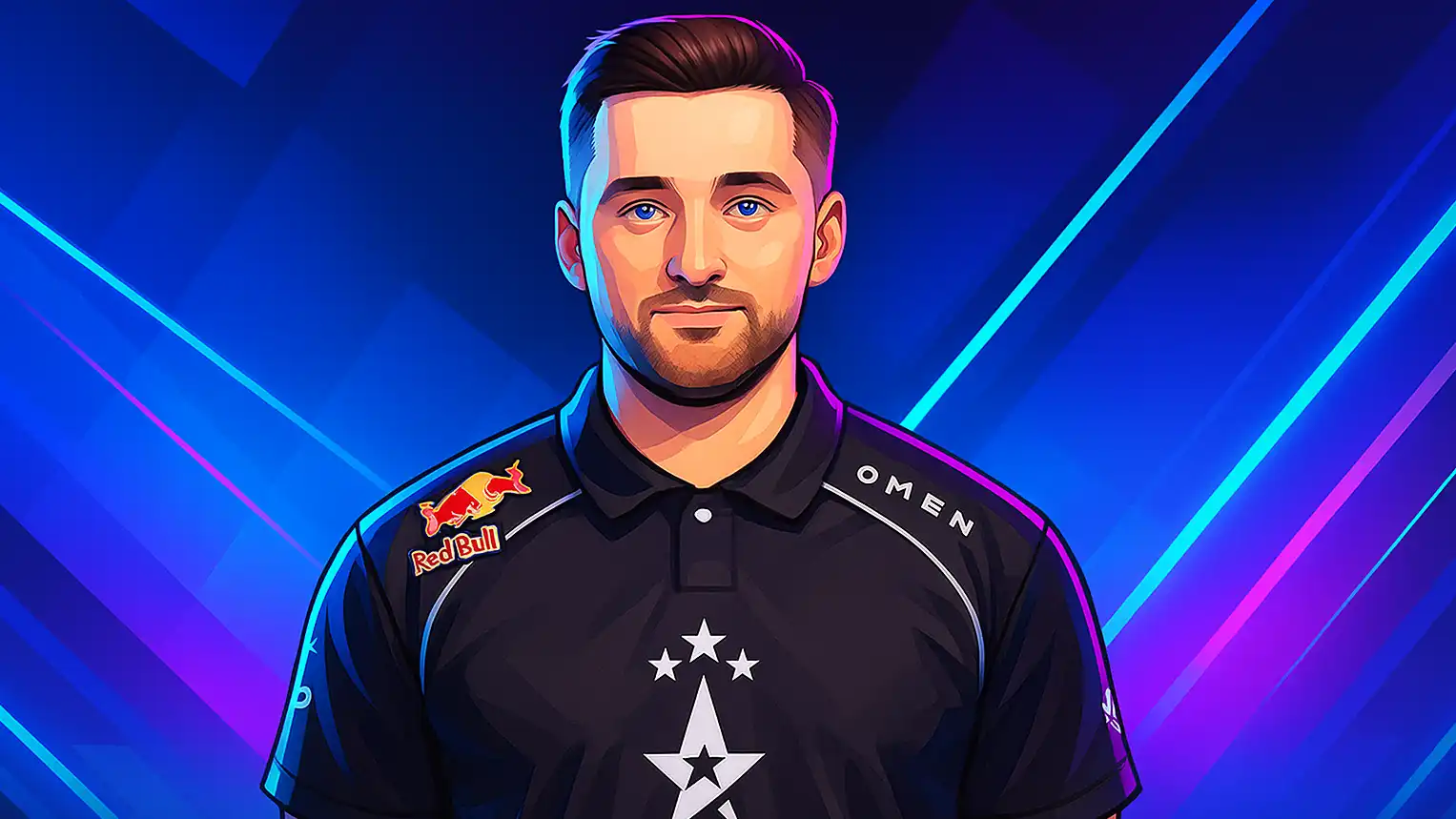

Device: “This season has been one of the toughest for me, being on the road as much as we have”

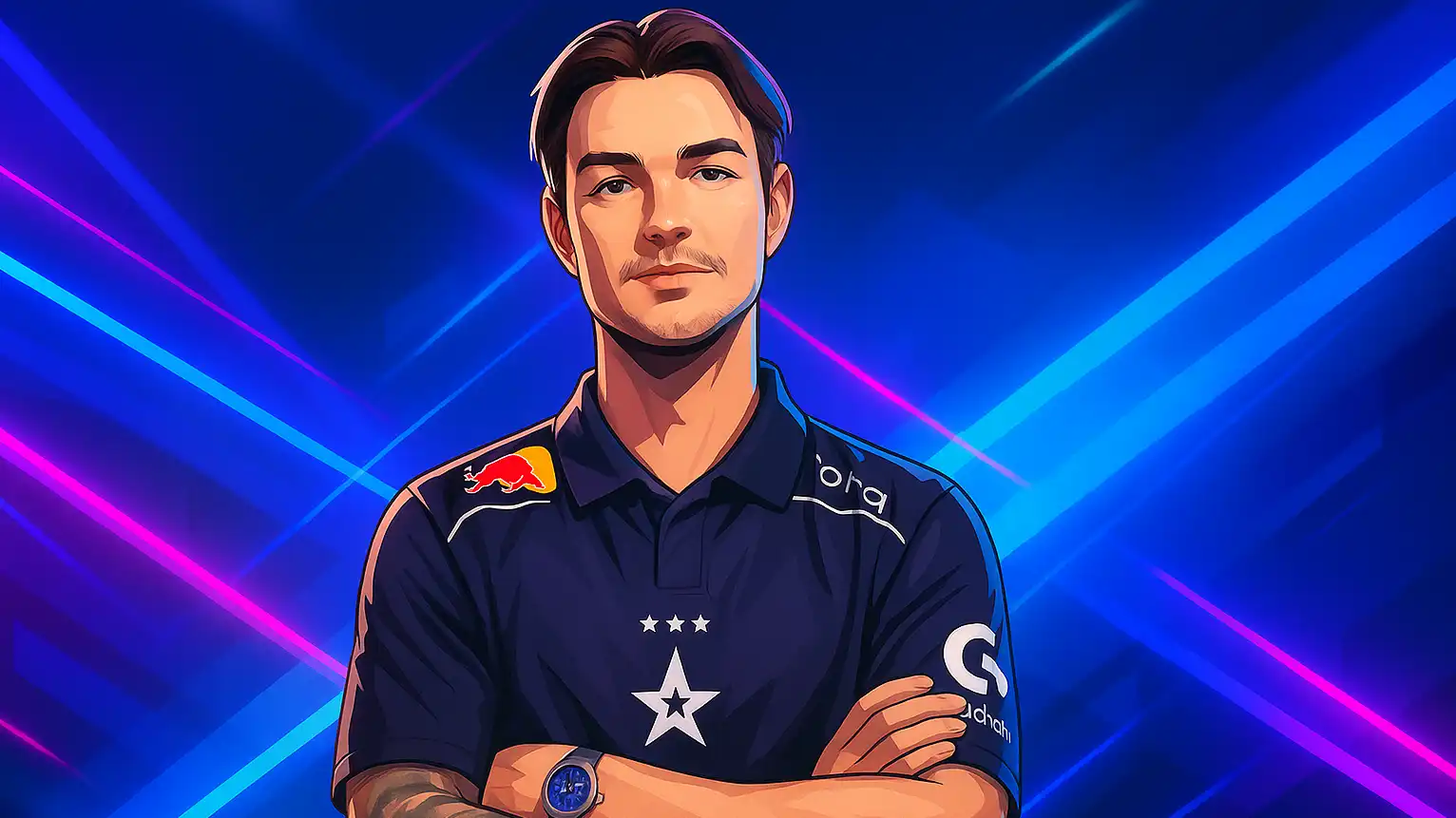
Device: “This season has been one of the toughest for me, being on the road as much as we have”
At IEM Chengdu 2025, device opened up about how the current season has tested him mentally and physically. In a candid interview after Astralis’s elimination, he reflected on travel fatigue, form struggles, organisational changes and the path ahead.
Setting the stage: Astralis’ resurgence and elimination
Astralis arrived in Chengdu after showing signs of imminent revival, defeating The MongolZ and Natus Vincere en route to the playoff stage. But their quarter-final against Vitality ended in a 1-2 defeat. Device admitted:
“I think as a team, we matched them completely — that’s a good thing and a bad thing when you lose.”
The series featured a strong Inferno map for Astralis, but lapses on Nuke and Mirage ultimately cost them the opportunity to continue. Device cited missed individual kills, clutch rounds slipping away, and the margin between “matching” an opponent and beating them.
Travel, fatigue and form
A key take-away from device’s interview: the toll of a stacked event calendar. “This season has been one of the toughest for me, being on the road as much as we have,” he said. “It’s not a style of participation that fits me.”
He contrasted the heavy travel and frequent tournaments with his preferred rhythm from previous years, highlighting how despite his efforts to focus on consistency, the schedule and environment added pressure. Individually, device acknowledged:
“This season has, individually, been one of the worst I’ve had. I know that. I’ve been working really hard.”
The sentiment underlines a wider challenge many top-tier CS2 players face: wanting to perform at peak while balancing travel, time-zones, practice load and organisational expectations.
Strategic changes inside Astralis
Device also referenced changes within the team. He credited Rasmus ‘HooXi’ Nielsen for helping the roster build a more structured approach—particularly on Nuke’s T-side and limiting entries. “More strats, more rounds where we put pressure on different sides of the map that are not just played in the first 30 seconds of the round,” device explained.
Concurrently, another element of ambiguity hovered over Astralis: the uncertain long-term future of Emil ‘Magisk’ Reif. Device said:
“It affects everyone. Nobody knows what’s happening, really.”
That both structural and personal uncertainty sit behind the scenes suggests that the team is in a transition phase even while wearing one of the marquee CS2 jerseys.
Implications of device’s statement
-
Mental load of LAN/road-travel: While esports often focuses on raw skill and tactics, device’s remarks reinforce the impact of travel fatigue, back-to-back events and the physical/mental strain of such a schedule.
-
Form does not guarantee performance: Device’s admission of having “one of the worst seasons” personally—even as his team performed respectably—underscores how even elite players go through downturns.
-
Astralis’ pivot and recovery route: Their current phase is less about championship wins and more about rebuilding structure, identity and consistency under pressure. Device’s comments act as both accountability and transparency.
-
Upcoming Major focus: While the Chengdu exit stung, device emphasised that the team have “time now … to focus even more” ahead of the Major.
Looking ahead: What to watch
-
Will Astralis prioritise fewer events and greater quality of preparation? Device hinted the schedule might change.
-
How will the Magisk situation resolve? Stability at top-tier often follows roster certainty.
-
Can device rebuild his form? If his schedule is moderated and travel reduced, perhaps the “worst season” can become a trampoline rather than a slide.
-
Will Astralis transform from “matching the top teams” to beating them? Device himself pointed to the difference being small but crucial.
Final thoughts
In the competitive landscape of CS2, where tactical depth, team synergy and raw individual mechanics intersect, device’s remarks offer a candid look at what rarely gets communicated: the human side of being a top-level player in a high-risk, high-travel sport.
His quote—“This season has been one of the toughest for me, being on the road as much as we have”—is an admission of the wear and tear behind the shots, call-outs and scoreboard. And yet, it also signals determination: to reset, rebuild form and push forward.
For Astralis and their fans, the journey continues. They matched Vitality and showed signs of life—but now they must convert that into wins. For device, the question is whether the end of the travel grind, structural improvements and renewed mental focus will bring back the elite version of his play. As the Major approaches, those are the storylines worth following.
Related News