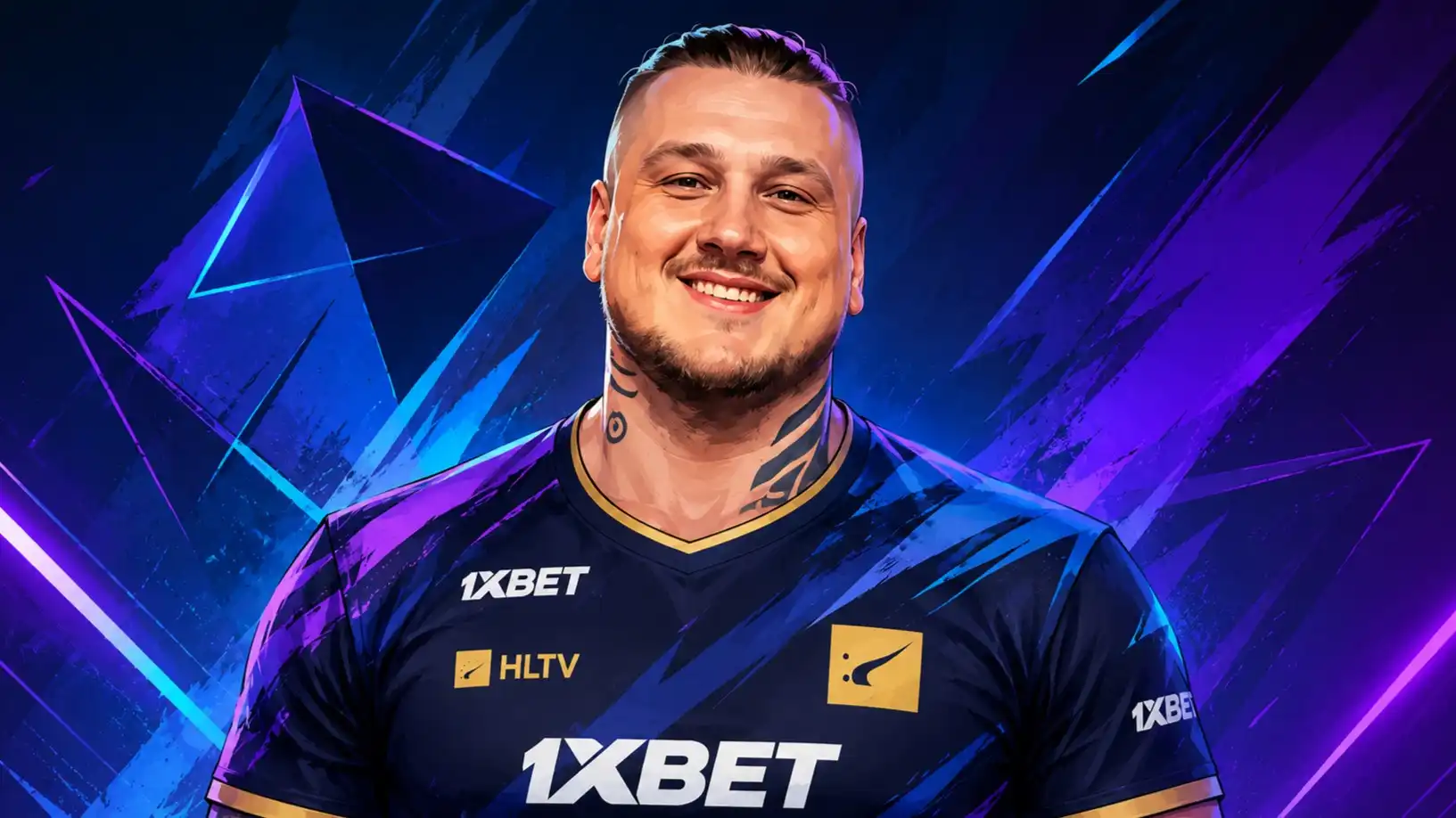

Chopper Says FACEIT Felt “Unnecessary” During His Pro Career, Explains Why Team CS Matters More
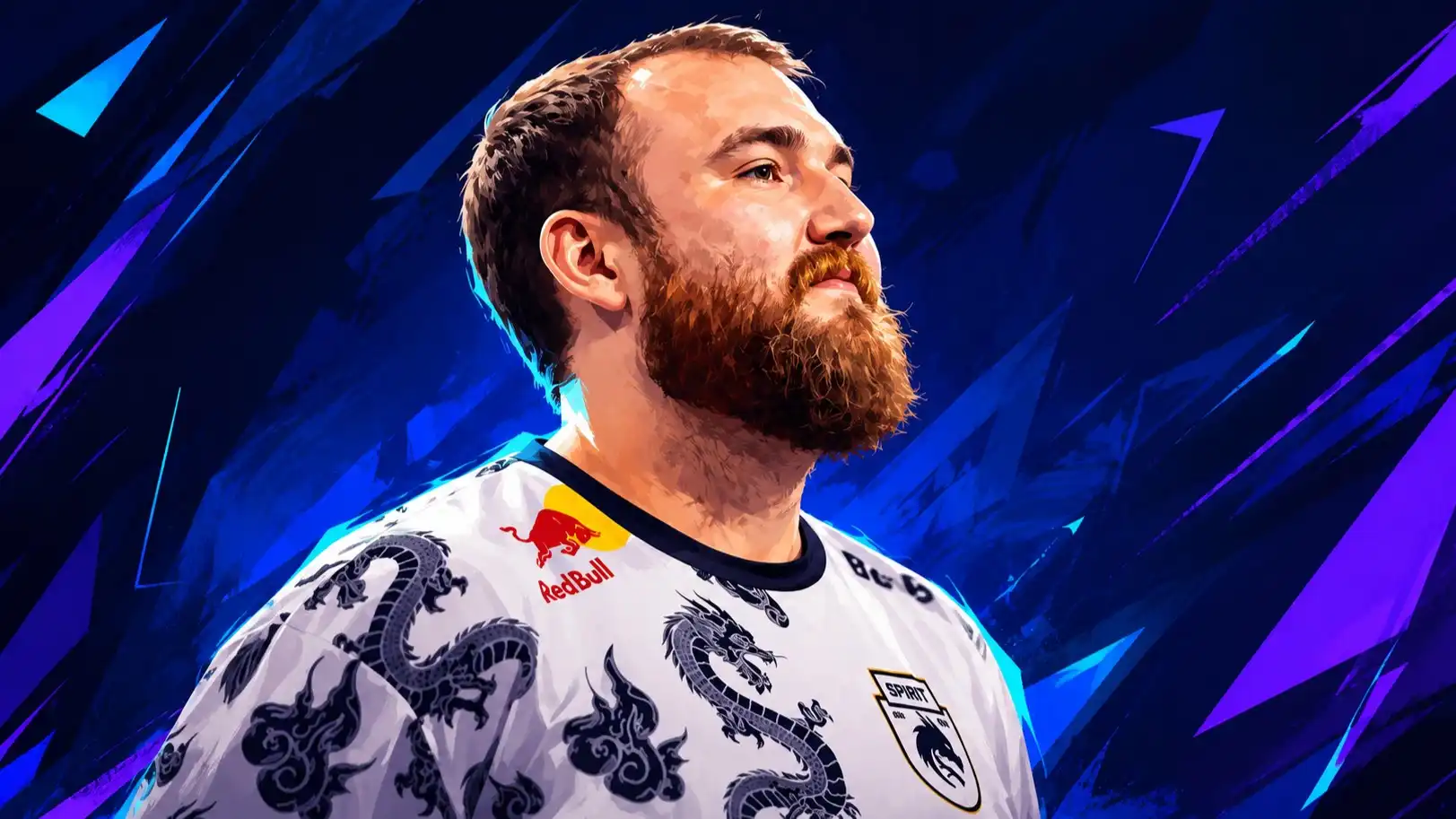
Former Team Spirit captain Leonid "Chopper" Vishnyakov has shared another candid opinion on the role of FACEIT in professional Counter-Strike, revealing that he rarely used the platform while actively competing because it simply wasn't essential to his development as a tier-one player.
The comments continue a broader discussion Chopper has held throughout 2026 regarding the difference between public matchmaking and professional Counter-Strike, reinforcing his belief that structured team environments—not FACEIT Elo—are what ultimately shape elite players.
Quick Summary
| Topic | Details |
|---|---|
| Player | Chopper (Leonid Vishnyakov) |
| Subject | FACEIT during his professional career |
| Main takeaway | He rarely played FACEIT while competing professionally |
| Reason | Team practice was significantly more valuable |
| Status | Opinion shared during a livestream |
| Official announcement | No roster or tournament implications |
Chopper: FACEIT Was Never a Priority During His Professional Years
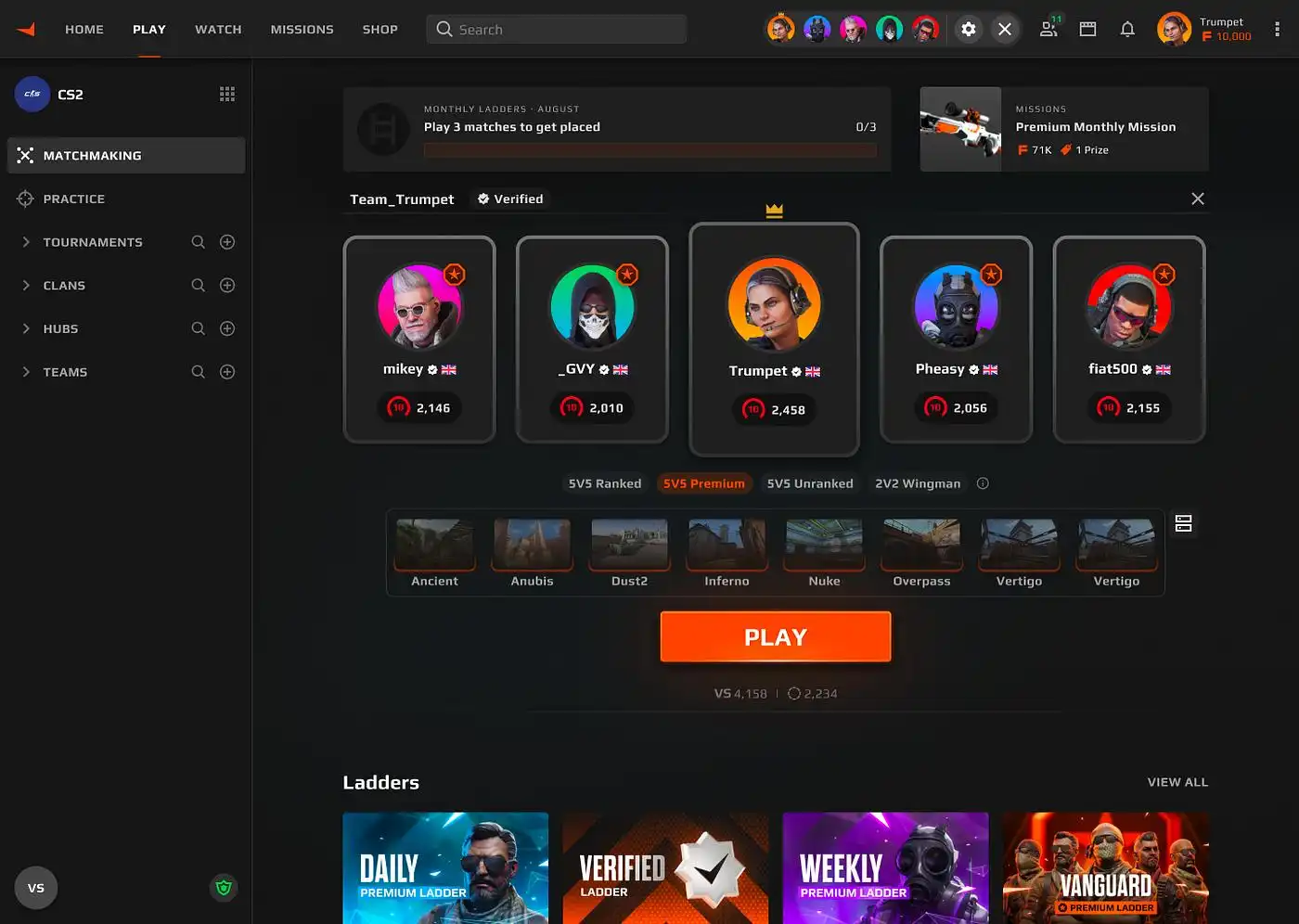
FACEIT remains one of the most popular third-party competitive platforms, but Chopper believes structured team practice is far more valuable for established professionals.
Speaking during a recent livestream, Chopper explained that FACEIT was never a major part of his routine while competing professionally.
According to him, the platform felt largely unnecessary because virtually all of his improvement came through official team practice, scrims, demo review and structured preparation rather than public matchmaking.
His comments fit a consistent philosophy he has expressed throughout the year: once a player reaches professional Counter-Strike, individual matchmaking becomes far less important than coordinated team systems.
Rather than treating FACEIT as the benchmark of skill, Chopper suggested that organized practice offers significantly greater long-term value for players already competing at the highest level.
Why Chopper Thinks FACEIT Isn't the Best Measure of Professionals
This is not the first time Chopper has questioned the importance of FACEIT ratings.
Earlier this year he argued that:
FACEIT Elo mainly helps players enter competitive teams.
Professional Counter-Strike is built around teamwork rather than individual mechanics.
Experience inside structured systems outweighs public matchmaking performance.
Tactical understanding, defaults and communication cannot be fully replicated in FACEIT games.
Those earlier remarks closely align with his newest comments about barely using the platform during his playing career.
Background
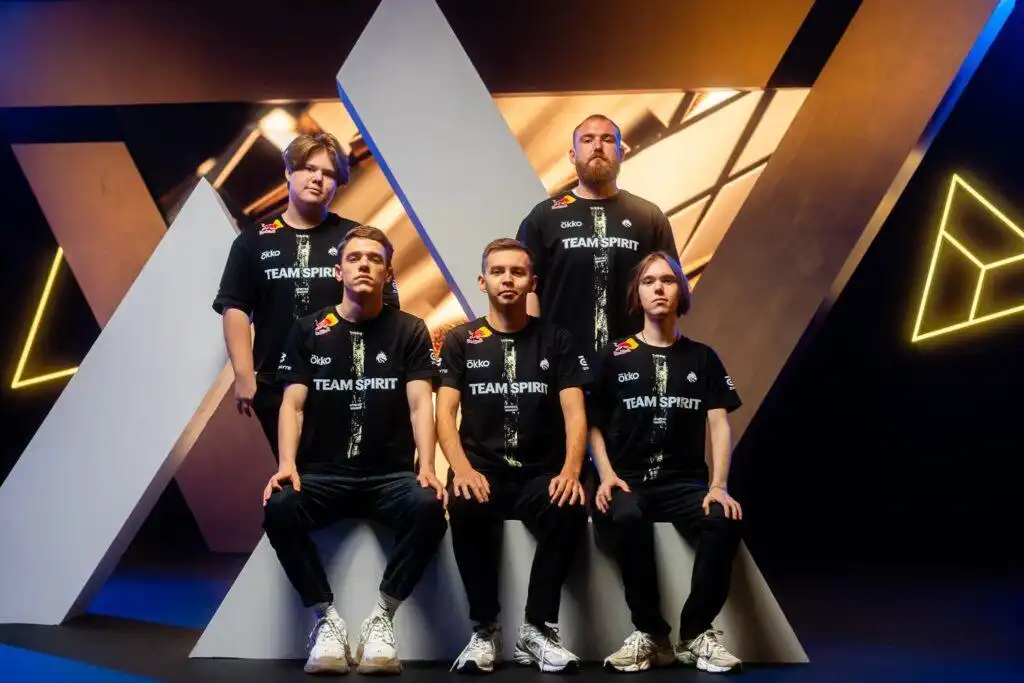
Chopper spent years leading Team Spirit before transitioning toward streaming and educational Counter-Strike content.
Following the end of his time in Team Spirit's active roster, Chopper shifted much of his focus toward streaming and content creation while remaining one of the most recognizable analytical voices in the CIS Counter-Strike community.
Although he has not completely ruled out returning to competition in the future, he has repeatedly stated that immediate competitive ambitions are no longer his priority.
Throughout 2026, many of his livestream discussions have focused on:
player development;
professional practice routines;
tactical Counter-Strike;
roster construction;
tournament analysis.
His latest FACEIT comments continue that educational trend rather than announcing any competitive plans.
Why It Matters
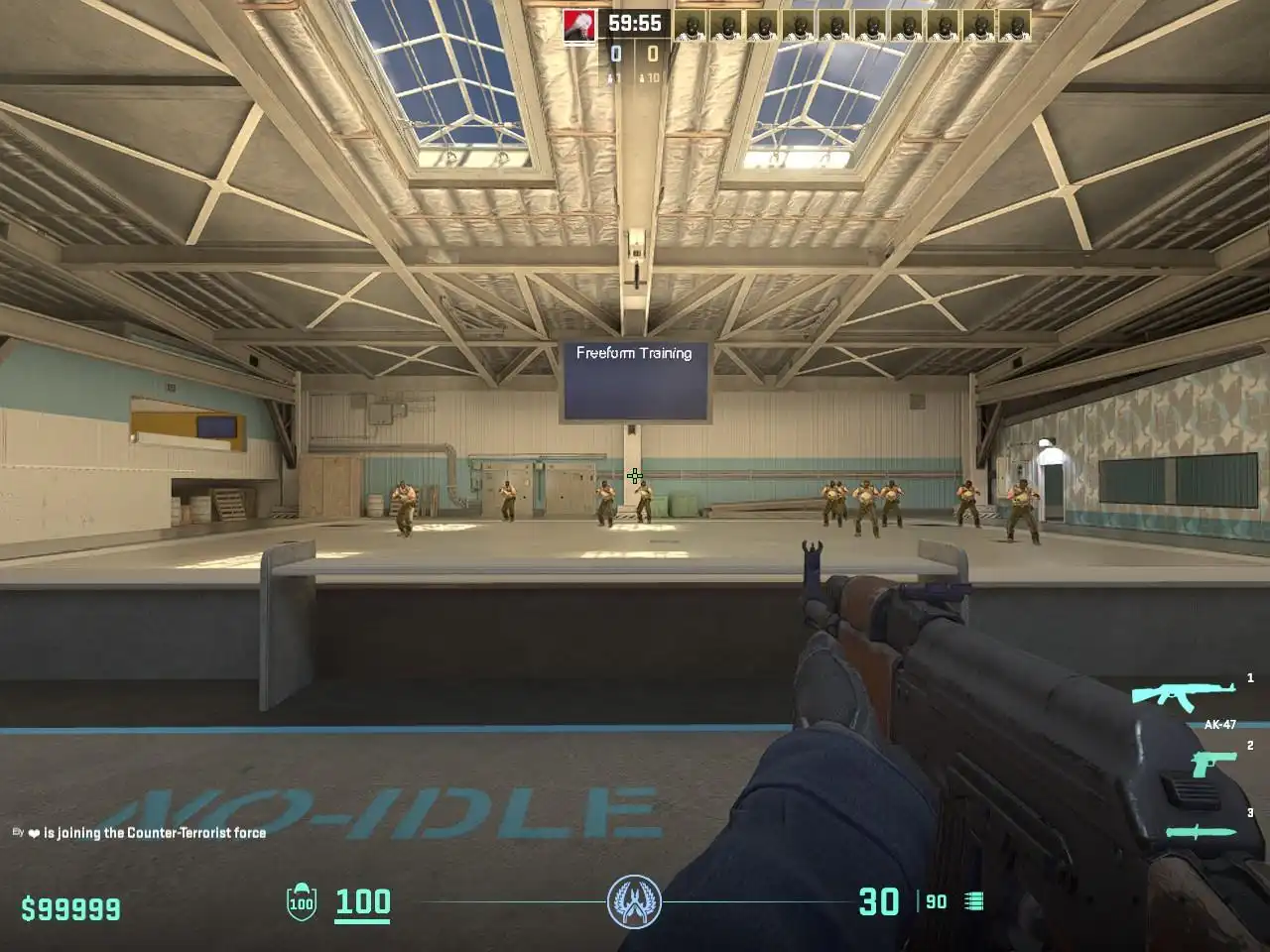
Professional teams dedicate hundreds of hours to structured scrims, demo reviews and tactical preparation beyond public matchmaking.
Chopper's opinion carries weight because he spent years leading one of Counter-Strike's most successful international projects.
His perspective reinforces an important distinction:
| Public Matchmaking | Professional Counter-Strike |
|---|---|
| Individual mechanics | Team structure |
| Personal Elo | Tactical execution |
| Solo decision making | Coordinated communication |
| Random teammates | Defined player roles |
| Short-term adaptation | Long-term system development |
While FACEIT remains one of the world's leading competitive platforms, Chopper argues that its importance naturally declines once players become part of established professional teams.
Tactical Impact
From a development perspective, Chopper's comments highlight several principles often emphasized by professional coaches:
Demo review provides more consistent improvement than grinding ranked matches.
Team defaults and utility protocols require organized practice.
Communication habits cannot be developed efficiently in random matchmaking.
Mechanical skill alone rarely separates elite professional teams.
These observations are analytical conclusions based on Chopper's publicly stated philosophy rather than new competitive announcements.
Timeline
| Date | Event |
|---|---|
| Dec. 2025 | Chopper leaves Team Spirit's active lineup |
| Feb. 2026 | States FACEIT Elo is not an important indicator for pro players |
| Mar. 2026 | Discusses taking time away from competition and considering his future |
| Jul. 2026 | Explains he barely played FACEIT during his professional career because it felt unnecessary, according to Cybersport.ru. |
Key Details
| Category | Information |
|---|---|
| Player | Chopper |
| Former role | In-game leader |
| Discussion topic | FACEIT and professional development |
| Announcement type | Personal opinion |
| Competitive impact | None announced |
| Team change | None |
| Tournament impact | None |
Impact Analysis
The comments are unlikely to change how professional organizations approach practice, but they contribute to an ongoing debate within the Counter-Strike community regarding the value of FACEIT versus structured team environments.
For aspiring professionals, Chopper's view suggests that FACEIT should be considered a stepping stone rather than the final destination. High Elo can help attract attention, but sustained success still depends on adapting to team-based Counter-Strike.
What Changes Now
Nothing changes competitively.
The remarks:
do not indicate a roster move;
do not confirm a professional comeback;
do not affect tournament participation.
Instead, they provide additional insight into how an accomplished IGL views player development after years at the highest level.
What to Watch Next
Whether Chopper continues expanding his educational streaming content.
Any future updates regarding a possible return to professional Counter-Strike.
Additional discussions on practice routines, coaching and player development.
FACEIT-related conversations as Valve's competitive ecosystem continues evolving.
FAQ
Why did Chopper rarely play FACEIT?
According to Chopper, organized team practice offered significantly greater value than public matchmaking during his professional career.
Does Chopper think FACEIT is useless?
No. He has repeatedly said FACEIT is valuable for players trying to enter the professional scene, but believes it becomes less important after joining a structured team.
Is Chopper returning to professional CS2?
There is currently no official announcement confirming a return. He has previously said he is considering his long-term future while focusing on streaming and content creation.
Did these comments affect any tournament?
No. The discussion concerns player development and practice philosophy rather than tournament participation.
Related News