
Catastrophe? How Valve’s New Major Sticker System Is Reshaping Counter-Strike Economics


Valve's overhaul of the Counter-Strike Major sticker system has quickly become one of the most controversial business decisions in modern CS esports. While the IEM Cologne 2026 Major delivered record-breaking viewership and unforgettable matches, many organizations say the financial reality behind the event tells a very different story.
Several teams interviewed by HLTV described the new ecosystem as a "catastrophe", arguing that dramatically reduced sticker income threatens the sustainability of tier-two Counter-Strike. The debate has shifted from sticker prices alone to a much broader question: can smaller organizations continue investing in the open CS ecosystem if Major qualification is no longer financially transformative?
Quick Summary
| Topic | Details |
|---|---|
| Main issue | Valve replaced sticker capsules with direct sticker purchases using tokens |
| Biggest concern | Organizations report significantly lower sticker revenue |
| Revenue changes | New 50% revenue split between teams and players mandated by Valve |
| Most affected | Tier-two and smaller organizations |
| Community debate | High sticker prices reduced buyer participation |
| Current status | Valve has not announced further changes |
What Happened?
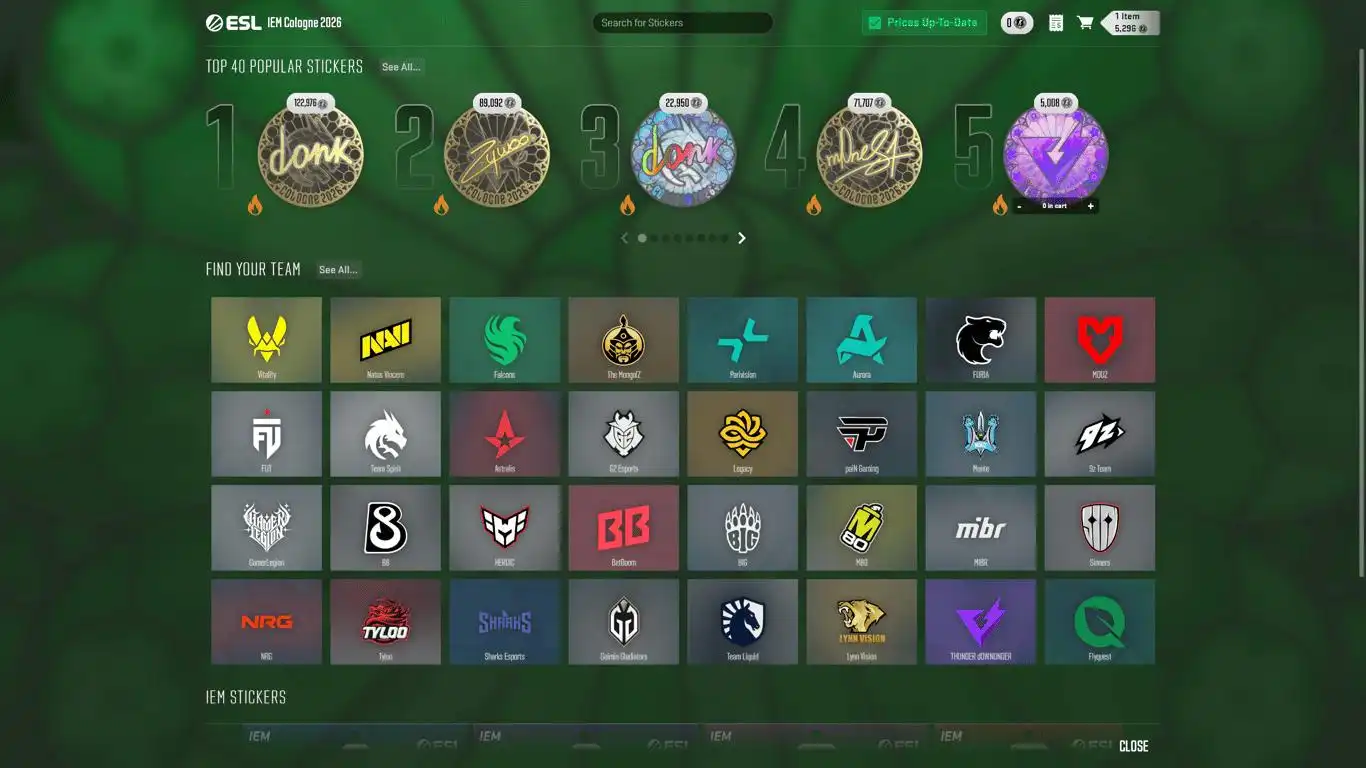
Valve replaced traditional sticker capsules with a token-based purchase system that lets players buy individual stickers directly.
Before the IEM Cologne 2026 Major, Valve introduced the largest redesign of the Major sticker economy since stickers became part of Counter-Strike.
Instead of purchasing sticker capsules containing randomized items, fans now buy tokens and redeem specific stickers directly. Prices fluctuate based on player demand, effectively creating a dynamic pricing marketplace.
Valve also redesigned revenue distribution:
50% of Major Shop revenue is shared with participants.
5% goes to the tournament organizer.
45% is distributed among the 32 participating teams according to Valve Regional Standings and Major performance.
Valve now automatically divides every team's share equally between organizations and players.
The changes fundamentally altered financial expectations for organizations that had built budgets around the previous sticker system.
Why Organizations Are Calling It a "Catastrophe"
According to multiple organizations interviewed by HLTV, sticker revenue has fallen dramatically compared to previous Majors.
Examples shared anonymously include:
| Major Stage | Reported Sticker Revenue |
|---|---|
| Stage 1 team | Approximately $60,000 |
| Stage 2 team | Slightly above $120,000 |
For comparison, organizations reported earning several hundred thousand dollars—or considerably more—under previous capsule-based systems depending on their capsule placement. Earlier Majors generated vastly larger sticker economies, with the Paris Major alone reportedly surpassing $110 million in total sticker earnings.
One anonymous organization summarized the situation simply:
"This is a catastrophe for the CS scene."
Why Sticker Revenue Matters
Sticker income has historically been much more than a bonus.
For many organizations, particularly outside the elite tier, Major participation funded:
roster investments;
player salaries;
academy programs;
travel budgets;
infrastructure expansion;
future transfer activity.
Several organizations explained that qualifying for a Major traditionally justified months of expensive international travel through Valve's open qualification ecosystem.
Without comparable sticker revenue, the financial equation changes substantially.
Background: From Capsules to Direct Purchases
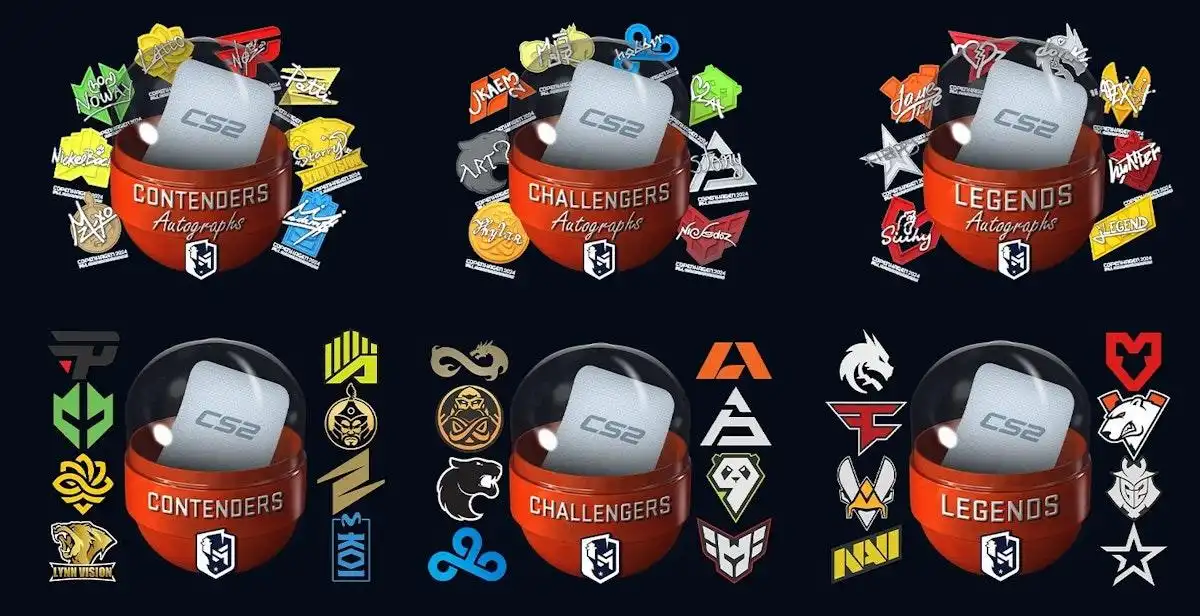
For nearly a decade, Counter-Strike Majors relied on randomized sticker capsules before Valve introduced direct purchases.
For nearly a decade, Major stickers followed a familiar model:
randomized capsules;
autograph capsules;
team capsules;
large post-Major sales;
market speculation.
Valve replaced this with direct purchases partly to improve accessibility and reduce reliance on randomized capsule mechanics, which have attracted increasing legal and regulatory scrutiny in multiple regions.
The result is a system where buyers can obtain exactly the sticker they want—but often at substantially higher prices for popular items.
Historical Comparison
| Previous System | New System |
|---|---|
| Random capsules | Direct purchases |
| Gambling element | No random unboxing |
| Equal capsule revenue | Performance-based distribution |
| Negotiated player shares | Mandatory 50/50 team-player split |
| Lower entry prices | Dynamic pricing based on demand |
The new approach changes both how fans acquire stickers and how participating teams monetize Major appearances.
Contract Complications
The financial impact extends beyond sticker sales.
Valve's automatic 50/50 split between organizations and players has complicated existing contracts.
Many player agreements were negotiated before the rule change, creating uncertainty over revenue ownership. Industry figures have suggested some organizations may need to renegotiate contracts or resolve disputes regarding expected sticker income.
Player agencies are reportedly drafting future agreements that account for both the current system and the possibility of future Valve revisions.
Community Reaction
Discussion across the Counter-Strike community has largely centered on three recurring concerns:
sticker prices are significantly higher for premium items;
many casual buyers no longer participate;
reduced sales may ultimately hurt organizations despite record tournament viewership.
Reddit discussions following HLTV's report echoed concerns that fewer affordable stickers have reduced interest in collecting while increasing uncertainty about the ecosystem's future.
Why This Matters
Sticker revenue has historically helped organizations fund player salaries, academy teams, international travel, and long-term roster development.
The debate extends far beyond cosmetics.
Potential long-term consequences include:
reduced investment in tier-two Counter-Strike;
lower transfer activity;
salary corrections across the professional scene;
fewer organizations willing to gamble on Major qualification;
increased financial gap between elite organizations and smaller clubs.
Large organizations generally possess diversified revenue streams through sponsorships, merchandise and commercial partnerships. Smaller organizations often relied much more heavily on Major sticker income.
Timeline
| Date | Event |
|---|---|
| May 2026 | Valve announces new Major sticker system |
| May 2026 | Sticker capsules replaced with token purchases |
| June 2026 | Organizations begin raising financial concerns |
| June 2026 | Community debates sticker pricing |
| July 2026 | HLTV publishes extensive investigation into financial impact |
Key Details
| Category | Information |
|---|---|
| Organizer | Valve |
| Event | IEM Cologne 2026 Major |
| New purchase method | Token-based direct purchases |
| Revenue sharing | 50% Major Shop revenue shared with participants |
| Team-player split | Mandatory 50/50 |
| Biggest concern | Reduced sticker income |
| Valve response | No further changes announced |
Impact Analysis
Organizations
Many organizations are expected to become more conservative with spending, transfers and long-term investments.
Players
Some players may receive larger direct payouts due to the mandatory revenue split, though contract negotiations could become more complex.
Transfer Market
Industry sources believe organizations may become less willing to spend on expensive buyouts, particularly outside the top tier.
Tier-Two Ecosystem
This remains the biggest concern.
Without meaningful sticker income, smaller organizations could struggle to justify participation in Valve's open competitive ecosystem.
What Changes Now?
Nothing has officially changed since the Cologne Major concluded.
However, organizations are already adapting by:
rewriting player contracts;
adjusting financial forecasts;
reconsidering transfer spending;
evaluating long-term sustainability under the new revenue model.
Whether Valve modifies the system before the next Major remains unknown.
What to Watch Next
Several developments could shape the future of the sticker economy:
Valve's response to industry criticism.
Potential adjustments before the Singapore Major.
Continued sticker sales performance.
Financial decisions from tier-two organizations.
Whether more organizations follow recent exits from the Counter-Strike ecosystem.
FAQ
Why is the new Major sticker system controversial?
Organizations argue that direct sticker purchases have generated significantly less revenue than previous capsule-based systems, reducing one of the most important income sources tied to Major qualification.
Did Valve remove sticker capsules?
Yes. Capsules were replaced with a token-based system that allows players to purchase individual stickers directly.
Why are organizations worried?
Many smaller organizations relied on Major sticker income to offset travel costs, player salaries and long-term investments. Lower revenues could affect sustainability.
Has Valve announced another change?
Not at the time of writing. No official revision to the Cologne sticker system has been announced.
Does the new system affect players?
Yes. Valve now automatically splits participating teams' revenue equally between organizations and players, affecting existing contract structures.
Related News