
Astralis Blueprint Meets Vitality: How the “1% Difference” Sustains a CS2 Era
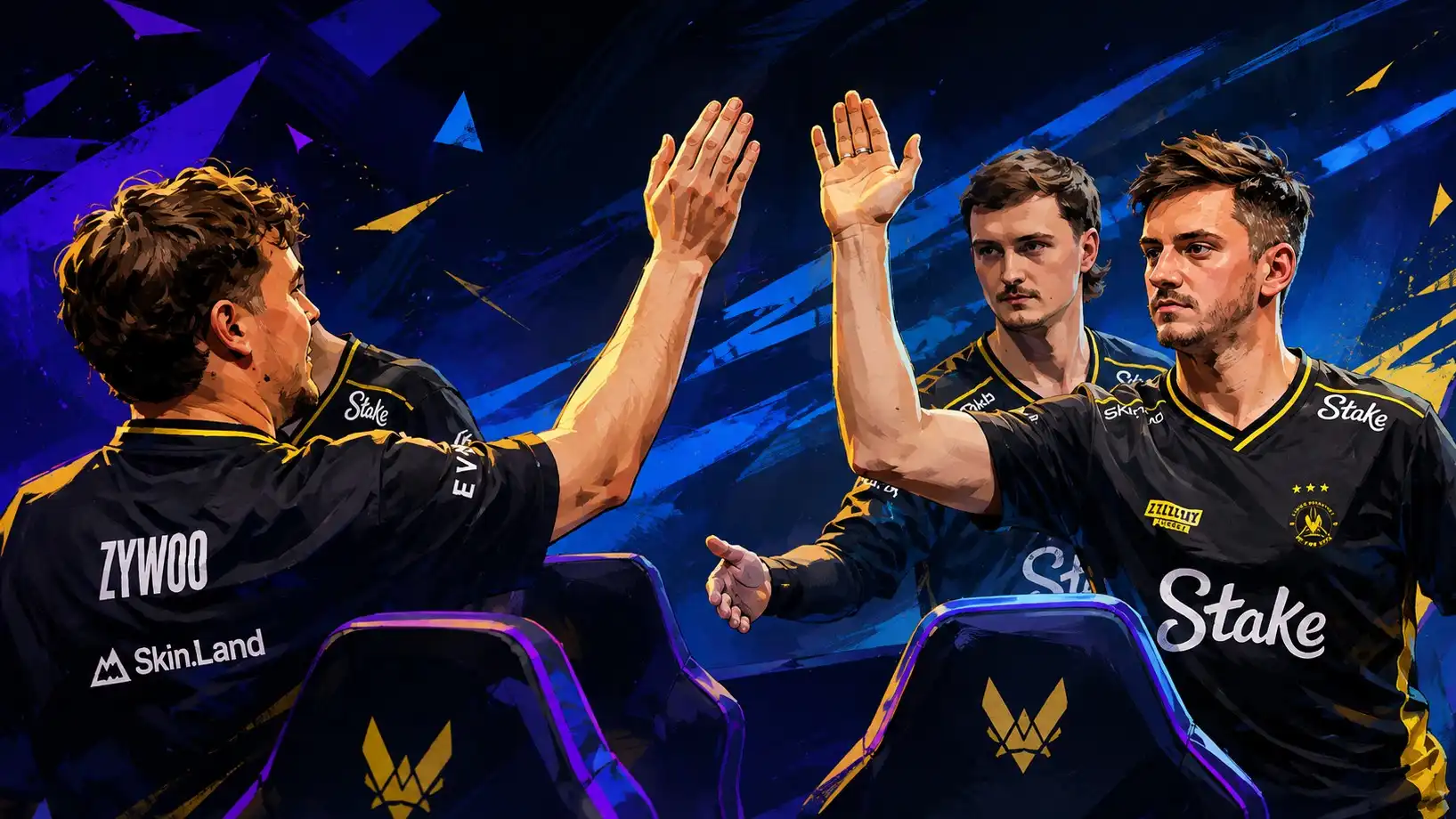
The dominance once associated with Astralis helped normalize a new idea in professional Counter-Strike: winning at the highest level requires more than tactics, mechanics and individual talent. Mental preparation, structured routines and performance support can become competitive advantages too.
That philosophy is now visible inside Team Vitality, although with its own methods and personnel. In an extensive HLTV interview published on August 10, 2026, Vitality Performance Manager Jack Birtwhistle detailed how the organization manages motivation, accountability, recovery and preparation while attempting to sustain an era-defining level of success.
Birtwhistle does not present himself as the architect of Vitality's victories. His philosophy is almost the opposite: the players generate roughly 99% of the result, while his job is to search for the marginal “1% difference” that can help them perform closer to their potential.
Quick Summary
| Key point | Details |
|---|---|
| Main subject | Performance management inside Vitality |
| Performance Manager | Jack Birtwhistle |
| Joined Vitality | November 2023 |
| Previous background | Five years in professional rugby |
| Core philosophy | Find the marginal “1% difference” |
| Key methods | Theming, periodization, values check-ins and structured accountability |
| Historical connection | Astralis helped popularize performance and mental support in elite Counter-Strike |
| Major challenge | Maintaining humility and discipline after sustained success |
| New approach | More structured time and direct accountability |
| Immediate test | Esports World Cup 2026 |
HLTV notes that performance and mental coaching remain less established in esports than in traditional sports, but identifies Astralis as one of the organizations that helped popularize the approach during its legendary period of dominance.
What Happened?
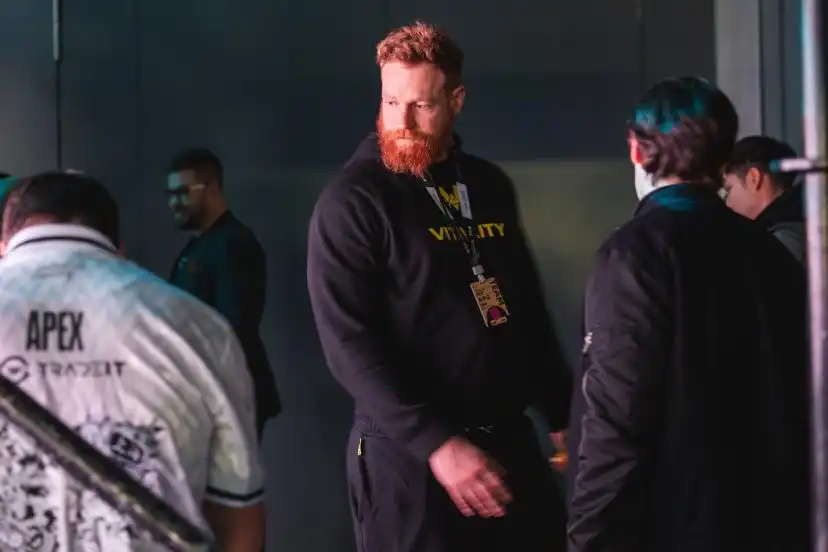
Jack Birtwhistle works behind the scenes with Team Vitality, focusing on preparation, consistency and performance management around the CS2 roster.
HLTV sat down with Birtwhistle for a lengthy discussion about an increasingly important question for elite CS2 organizations: what does a performance manager actually do when a team is already winning almost everything?
Birtwhistle arrived at Vitality in November 2023 with experience in professional rugby but little direct esports experience. His tenure began shortly after Vitality's BLAST.tv Paris Major victory and before the organization finished 2023 with trophies at BLAST Fall Final and BLAST World Final.
His responsibilities are not simply about motivating players before matches. The system described in the interview covers preparation cycles, communication, team values, individual responsibility and the management of periods in which there is no formally scheduled practice.
The underlying concept is simple: elite players and coaches remain responsible for virtually all competitive success, but support staff can try to eliminate small inefficiencies.
In a game where the difference between winning and losing a playoff series can be a handful of rounds, those marginal improvements can matter.
From Astralis to Vitality: Performance Management Becomes Part of Elite Counter-Strike
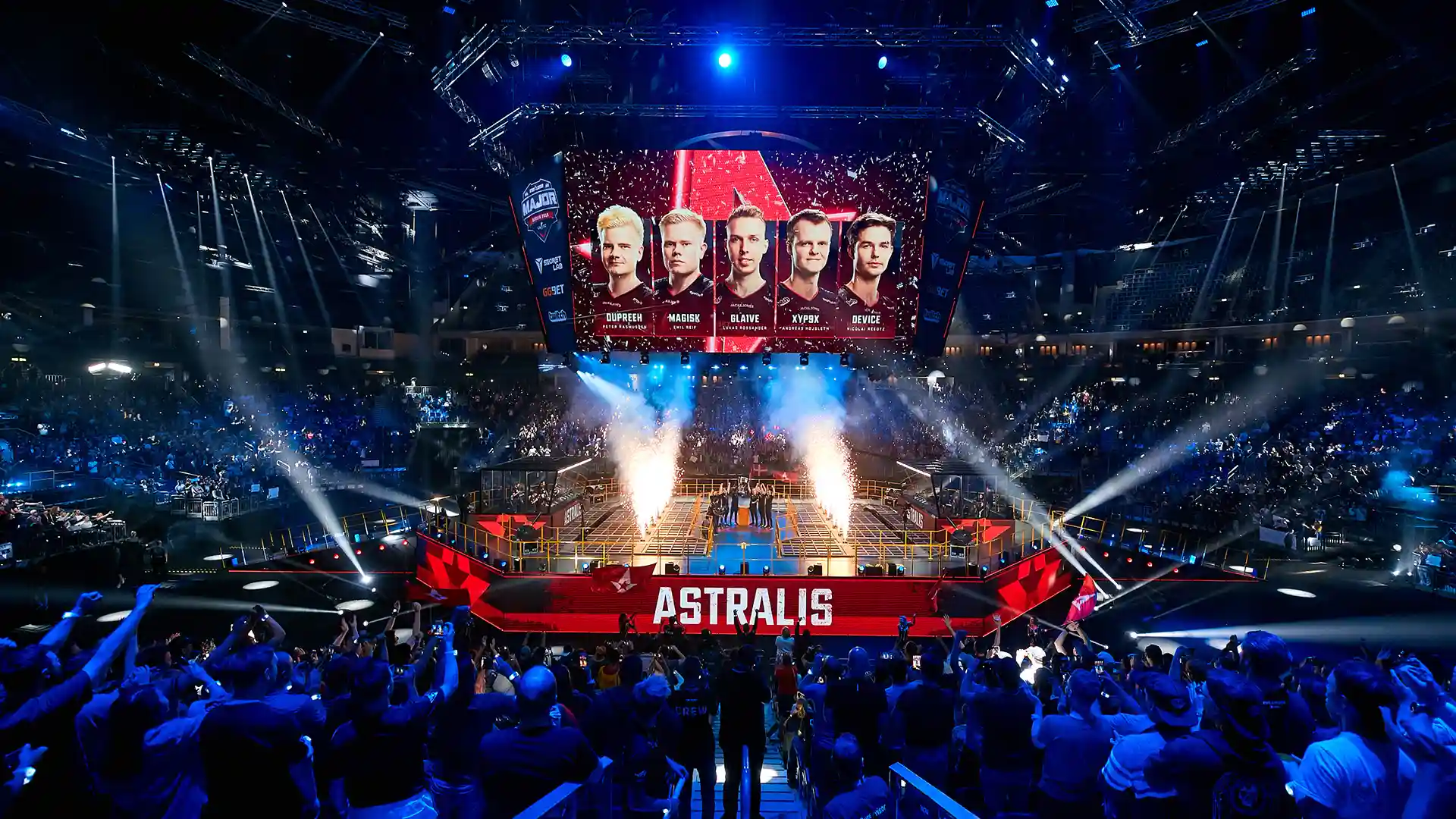
Astralis' dominant CS:GO era became a benchmark for structured preparation, professionalism and performance support at the highest level of Counter-Strike.
The Astralis connection is important historically rather than organizationally.
Performance psychology did not begin with Astralis, but the Danish organization's success helped make structured mental and performance support much more visible in professional Counter-Strike.
Astralis' famous core of device, dupreeh, Xyp9x, gla1ve and Magisk became associated not only with tactical innovation but also with a professionalized approach to preparation and player wellbeing. HLTV specifically describes Astralis as helping popularize performance coaching during its era.
Former Astralis coach Danny “zonic” Sørensen and performance manager/sports psychologist Lars Christian Robl later became part of Vitality's own structure. Both departed Vitality in 2023 after a 21-month stint, during which Vitality captured the BLAST.tv Paris Major.
That creates an important historical chain:
Astralis' era → wider acceptance of performance support → Vitality's earlier Danish-influenced structure → Vitality's current performance-management model.
Vitality is therefore not copying Astralis' system. Instead, its current approach can be understood as part of the broader professionalization of Counter-Strike that Astralis helped accelerate.
The “1% Difference” Philosophy
Perhaps the most useful concept from Birtwhistle's interview is his insistence on keeping the performance manager's contribution in perspective.
According to his description, 99% of Vitality's success comes from the players. His objective is to influence the remaining margin — the routines, communication and preparation that may allow those players to perform slightly closer to their ceiling.
This distinction matters.
Performance management cannot replace mechanical form. It cannot repair an ineffective tactical system by itself. And it cannot force a player to commit to a team.
Birtwhistle compared his role to a “sherpa” during Vitality's difficult period with Lotan “Spinx” Giladi: he could help show the path and support the process, but ultimately could not take the necessary steps for the player.
That is a useful boundary for understanding the position.
What a performance manager can influence
preparation and routines;
communication;
team values;
accountability;
mental approach to pressure;
recovery and scheduling;
maintaining perspective during winning or losing streaks.
The tactical system itself remains primarily the domain of the coaching staff and players.
How Vitality Built Its Championship Mental Framework
One technique Birtwhistle brought from rugby was “theming.”
Rather than treating every tournament as an isolated competition, Vitality adopted a broader narrative for its season.
For 2025, the team drew inspiration from Man in the Arena, the documentary series about Tom Brady.
The idea was particularly relevant because Vitality had previously demonstrated strong group-stage performances but sometimes struggled to reproduce that level deep in playoffs. The objective was therefore not to expect perfection at every event, but to become comfortable repeatedly entering high-pressure championship situations.
That philosophy was combined with periodization — planning when the team should ideally reach peak competitive condition rather than expecting maximum form every week.
The approach coincided with an extraordinary competitive run.
After Robin “ropz” Kool joined in January 2025, Vitality embarked on a 30-match winning streak and captured seven consecutive tournaments, including the BLAST.tv Austin Major.
Vitality's Traffic-Light System
Not every performance-management technique is complicated.
Birtwhistle also described a straightforward feedback system built around green, yellow and red ratings.
Players periodically evaluate different areas of the team's performance and values.
| Rating | Interpretation | Response |
|---|---|---|
| Green | Functioning well | Maintain the process |
| Yellow | Requires attention | Discuss and monitor |
| Red | Immediate concern | Address quickly |
The same type of check-in can be used to gauge how players feel about particular sides of maps or other competitive areas before major tournaments.
Sometimes these conversations happen through structured meetings. At other times, Birtwhistle says the team has held informal “values dinners.”
The goal is not to generate complicated psychological reports. It is to create a repeatable mechanism for identifying problems before they become larger.
Timeline: From Astralis' Influence to Vitality's Current Era
| Period | Development | Significance |
|---|---|---|
| Astralis era | Astralis helps popularize structured mental/performance support in Counter-Strike | Performance coaching becomes more visible at elite level |
| 2022 | zonic and Lars Robl work with Vitality | Vitality incorporates staff with experience from the Astralis environment |
| 2023 | Vitality wins BLAST.tv Paris Major | Organization reaches Major-winning level |
| November 2023 | Jack Birtwhistle joins Vitality | Rugby-derived performance methods enter the team's structure |
| 2024 | Vitality remains a regular playoff contender and wins IEM Cologne | Staff navigates difficulties around Spinx and team direction |
| January 2025 | ropz joins | New roster begins extraordinary run |
| 2025 | Vitality wins seven consecutive events | Performance structure is tested during sustained dominance |
| 2025 | Vitality wins Austin Major | Major trophy caps first-half run |
| Later 2025 | 37-series winning run ends | Team faces challenge of adjusting expectations |
| 2025 | Vitality wins StarLadder Budapest Major | Team becomes back-to-back Major champion |
| 2026 | Vitality wins five consecutive titles | Dominance extends into another season |
| 2026 | Title streak ends at IEM Atlanta | Preparation and post-break form become areas of scrutiny |
| August 2026 | New structure introduced | More scheduled accountability ahead of EWC |
The 2025–26 details above reflect Birtwhistle's account and HLTV's reporting rather than an independent claim that every result was caused by performance management.
When Winning Creates a New Problem
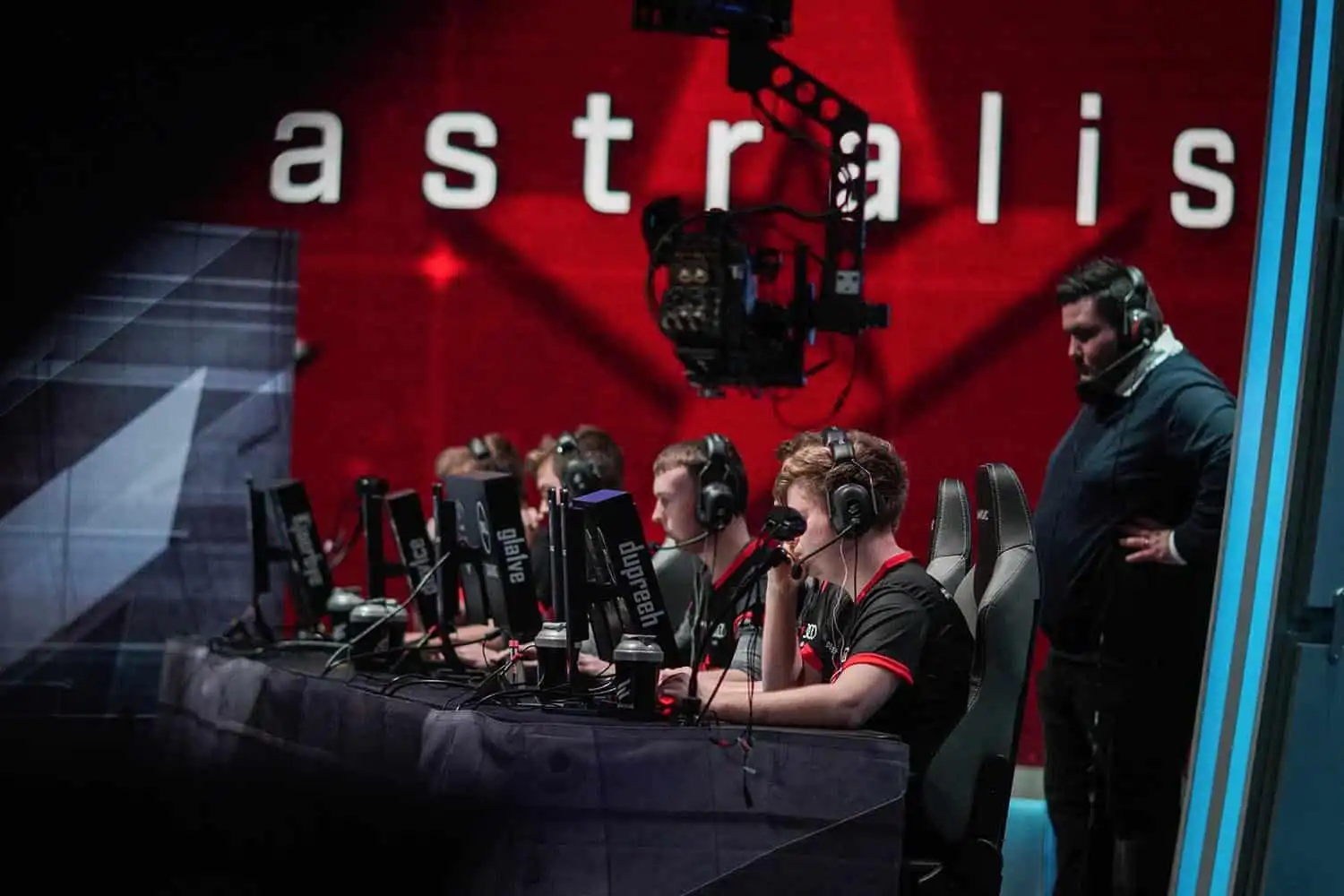
Astralis combined an elite playing roster with a structured coaching environment during the organization's rise to the top of professional Counter-Strike.
One of the most interesting conclusions from the interview is that dominance creates psychological problems of its own.
After winning repeatedly, Vitality's internal standard effectively moved toward perfection.
Losses that would normally be accepted as part of elite competition could suddenly feel abnormal.
Birtwhistle identified humility as one of the biggest challenges during that period. When a team becomes accustomed to barely losing maps or series, rediscovering how to respond productively to defeat becomes part of performance management.
That distinction separates maintaining an era from starting one.
The first challenge is learning how to win.
The second is learning how to remain functional once winning becomes expected.
The Tactical Impact: What Performance Management Can — and Cannot — Do
The interview also provides an important warning against overstating the tactical influence of sports psychology.
Birtwhistle explicitly acknowledged that mental-performance work cannot compensate for inadequate individual performance or solve every in-game issue. When Vitality encountered problems, apEX, XTQZZZ and MaT needed time to work deeply on Counter-Strike itself.
Performance management instead affects the environment in which tactical work happens.
Better communication may accelerate problem-solving.
Clearer responsibilities may improve practice quality.
Better recovery can theoretically help players arrive at important tournaments fresher.
And structured feedback can reveal problems that might otherwise remain hidden.
Those are indirect competitive advantages rather than tactical innovations.
The Lesson Vitality Took From Cologne
Vitality's staff also identified a possible weakness in its preparation before the Cologne Major.
Birtwhistle said there was agreement that the team had not reached its strongest individual form heading into the tournament.
The issue was not that players refused to work. Instead, he believes staff could have communicated expectations more explicitly after giving players time away from competition.
That distinction matters because it led directly to a change in Vitality's current structure.
What Changes Now: Managing the “Gray”
Ahead of the Esports World Cup, Vitality has experimented with a concept Birtwhistle brought from rugby: “managing the gray.”
A professional player's calendar contains clearly scheduled practice, theory sessions, meetings and other obligations.
The “gray” is everything between them.
Vitality is now putting more structure into some of those previously unstructured periods.
Instead of simply trusting that necessary individual work happens, staff can allocate time in the calendar and create greater visibility around preparation.
Birtwhistle says the intention is not to question the players' work ethic. The goal is greater connection, alignment and accountability between players and coaches.
That could become one of the most important experiments to follow during the next stage of Vitality's era.
Astralis vs. Vitality: Different Eras, Similar Marginal-Gains Question
Comparisons between modern Vitality and historic Astralis are inevitable, but they should be handled carefully.
The competitive environments are different.
Astralis' legendary lineup became synonymous with tactical preparation, utility usage, professionalism and support structures during the CS:GO era.
Vitality's dominance has emerged under CS2, MR12 and a different tournament ecosystem.
What connects them is not identical tactics.
It is the underlying question:
Once five world-class players and an elite coaching staff are already doing almost everything correctly, where can the next competitive advantage come from?
Astralis helped demonstrate that organizational infrastructure could be part of the answer.
Vitality's current performance-management system represents another evolution of that idea.
Current Vitality Lineup
HLTV listed Vitality's active lineup at publication as follows:
| Player | Role/status |
|---|---|
| Dan “apEX” Madesclaire | Player / in-game leader |
| Robin “ropz” Kool | Player |
| Mathieu “ZywOo” Herbaut | Player |
| Shahar “flameZ” Shushan | Player |
| William “mezii” Merriman | Player |
| Rémy “XTQZZZ” Quoniam | Head coach |
| Jack Birtwhistle | Performance Manager |
The precise tactical responsibilities of individual players beyond publicly established roles should not be inferred from the performance-management interview.
Why This Matters for Professional CS2
The biggest takeaway extends beyond Vitality.
Top organizations increasingly operate more like traditional sports teams.
The old model of five players, a coach and relentless practice is gradually giving way to more specialized support structures.
Astralis was one of the teams that made this approach visible. Vitality now provides another case study showing how performance management can evolve once a team reaches championship level.
For other organizations, however, the lesson should not simply be “hire a performance coach.”
Vitality's example suggests that the support structure must complement the players and coaching system rather than replace them.
That is exactly why Birtwhistle's “1%” framing is important.
Impact Analysis
Competitive impact
More structured preparation could help Vitality address the post-break inconsistency identified by its staff.
Whether it translates into better tournament results remains unproven.
Tactical impact
The direct tactical impact is limited. XTQZZZ, MaT, apEX and the players remain responsible for Counter-Strike preparation.
Performance management can instead improve the environment surrounding that work.
Organizational impact
Vitality provides another example of elite esports organizations developing specialized performance structures comparable in principle — though not necessarily scale — to traditional sports.
VRS impact
No specific Valve Regional Standings change is established by the interview itself, so a numerical VRS impact should not be inferred.
What to Watch Next
The most important question is whether Vitality's increased structure produces a visible response.
At the time of HLTV's article, Vitality's next listed match was against 100 Thieves at Esports World Cup 2026 on August 12.
More broadly, watch whether:
- Vitality responds better after extended breaks;
- individual form improves more quickly during preparation blocks;
- increased structure remains effective without becoming restrictive;
- the team handles defeats differently after its era of near-perfection;
- Vitality can find the correct balance between player autonomy and staff accountability.
Those questions will ultimately matter more than any single motivational technique.
FAQ
What does Jack Birtwhistle do at Vitality?
Birtwhistle is Vitality's Performance Manager. His work includes supporting routines, team values, preparation, communication and accountability rather than directly replacing tactical coaching.
What is Vitality's “1% difference”?
Birtwhistle's philosophy is that approximately 99% of success belongs to the players, while performance staff can try to provide the marginal improvement that helps players reach their best level.
What does Astralis have to do with Vitality's performance system?
Astralis helped popularize structured mental and performance support during its dominant CS:GO era. Vitality's current system is not presented as a copy of Astralis, but it exists within the professionalized approach that Astralis helped normalize.
What is “managing the gray”?
It describes managing previously unstructured periods between scheduled practices, meetings and other team obligations. Vitality has begun adding more structure and accountability to some of this time.
Did performance coaching cause Vitality's winning streak?
There is no evidence that it should be credited as the primary cause. Birtwhistle himself emphasizes that the overwhelming majority of success comes from the players. Performance management is intended to provide marginal support.
Related News