

ash steps down from GamerLegion citing burnout — a major shake-up

ash steps down from GamerLegion citing burnout — a major shake-up
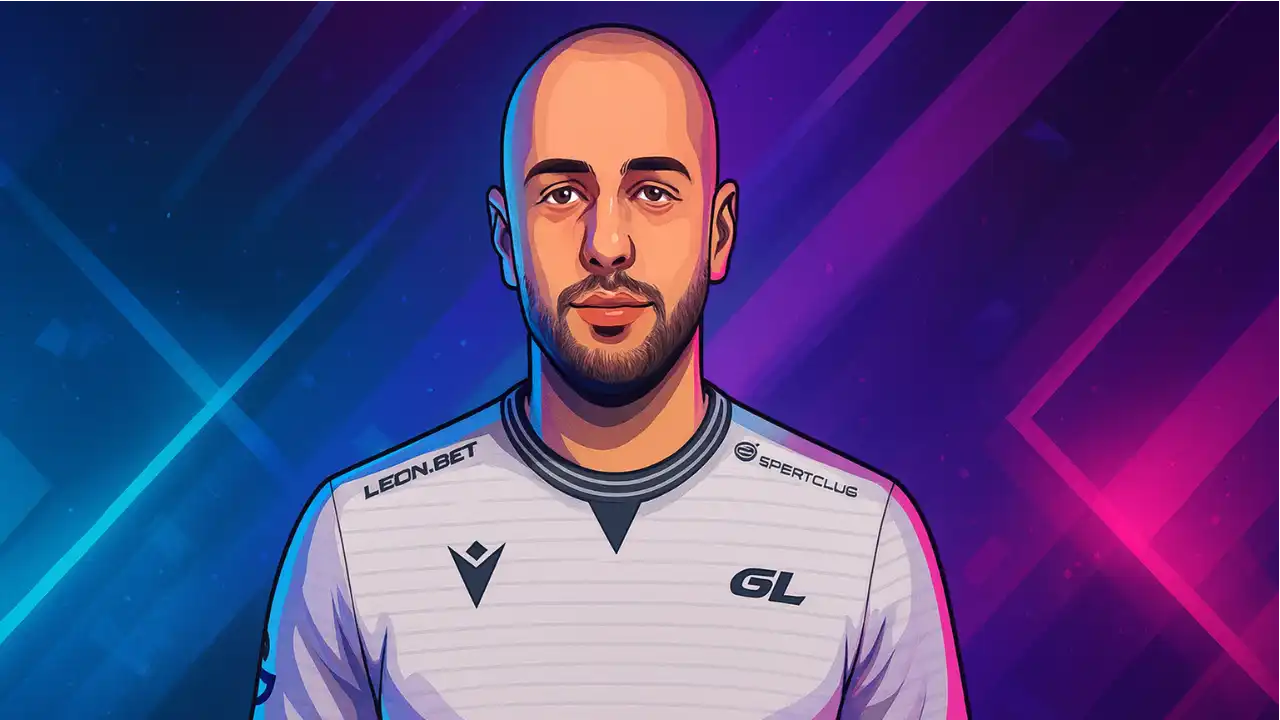
According to official announcement and internal sources within GamerLegion, coach Ashley “ash” Battye has stepped down from his role with the organisation’s Counter-Strike 2 team, attributing the decision to burnout and the pressures associated with leading a young roster through a turbulent 2025 season.
ash’s departure marks a dramatic turning point for a squad that only a few months ago seemed on the cusp of establishing itself among Europe’s rising CS2 teams. After years of gradual growth under ash’s leadership — including a contract extension signed in April 2025 — the sudden exit raises questions about both the club’s future direction and the pressures of maintaining performance at the top level.
From extension to exit: how things unravelled
Just months ago, in April 2025, GamerLegion publicly renewed ash’s contract in what seemed a vote of confidence in his leadership. The announcement noted the British coach had been at the helm since August 2020 and had guided the team through four Major appearances.
At that time, ash himself expressed optimism about the team’s trajectory, reinforcing his ambition: “I just want to win trophies,” he told HLTV after their IEM Melbourne appearance.
However, as 2025 progressed, cracks began to show — and publicly so. In July, following an early elimination at IEM Cologne, ash lamented that the team frequently lost key rounds not due to tactical errors, but due to mental lapses. “It feels like we’re losing off the server in these key situations,” he said, pointing to the inconsistency and psychological fragility common in very young lineups.
In August, continuing these concerns around mental stability, he told reporters that many of the squad’s problems “have been mental recently” even when playing well tactically.
Taken together, these public admissions paint a picture of a coaching environment under strain — and a team struggling to mature under the pressures of Major-level expectations.
The broader context: what’s gone wrong for GamerLegion?
GamerLegion had established a reputation for effective talent development under ash’s stewardship. He earned praise in a September 2025 interview for his ability to take relatively unknown players and build them into disciplined, potentially world-class professionals.
Yet despite this, the club’s results have recently faltered. For instance, at the ongoing 2025 StarLadder Budapest Major 2025, they were eliminated early after losing to unexpected underdog opponents — a collapse many attributed to the same issues ash publicly acknowledged: mental lapses and lack of composure in high-pressure situations.
Even when facing “smaller” teams on paper, GamerLegion struggled to close out games, repeatedly failing to convert advantageous positions. Analysts and community commentators have started to question whether the organisation’s famed “talent pipeline” — the strategy by which ash built up young, hungry talent — is drying up or no longer sufficient without a more stable foundation.
In other words: the structure that once delivered consistent upward momentum has begun leaking, and with ash gone, the team may now face a period of serious instability.
What ash has said — and what remains unsaid
In public statements during 2025, ash admitted that building a young squad would have trade-offs — especially in terms of consistency and experience. After a mixed performance at PGL Bucharest 2025, he stressed that while the team looked promising, they still had “a lot to learn.”
He admitted that while the talent was there, “it feels like we’re losing off the server in these key situations.”
But he also insisted in earlier interviews that his philosophy was rooted in structure, discipline, and trust. He believed that with time, the “talented young players” he signed could develop into top-tier competitors — under the right environment.
The fact that ash extended his contract mere months ago suggests the decision to part ways was not taken lightly — and likely triggered by cumulative mental stress, fatigue, and disillusionment with the direction the project had taken.
What remains unknown — at least publicly — is whether ash’s departure came with any promises or conditions for the club’s future. Will GamerLegion appoint a new coach quickly? Will they pivot towards more veteran-based roster building? There have been no official statements yet.
Implications for the roster and the organisation
ash’s exit leaves GamerLegion without the only coach it has ever had in CS / CS2 context: he was appointed in mid-2020 and has been the central figure through multiple rebuilds, roster overhauls, and the transition from CS:GO to CS2.
The young core he assembled — composed of players such as Oldřich “PR” Nový, Fredrik “REZ” Sterner, and Sebastian “Tauson” Lindelöf — now faces not only the usual competitive pressure, but also organizational uncertainty. Analysts who once highlighted this core as a future top-10 contender are already asking whether the momentum has now stalled.
With Internal stability shaken, the risk of further roster shuffles increases significantly. For teams like GamerLegion — which, over the past two seasons, have found themselves repeatedly eyed as a talent pool for tier-one organisations — that could mean losing multiple players to transfers or free agency.
Additionally, from a strategic standpoint, the club may need to reconsider its approach: whether to double down on youth and rebuild under new leadership, or shift toward experience and stability at the cost of long-term growth potential.
The bigger picture: burnout in pro esports coaching
ash’s departure for burnout is not an isolated incident in the world of Counter-Strike. The demands on coaches — scouting, analysis, travel, roster management, performance psychology — often go unrecognized, even as they are critical to a team’s success.
In a high-pressure environment like CS2, especially for a growing organisation competing across Majors and international tournaments, sustained stress can take a heavy toll. ash’s decision may serve as a warning signal that building around youthful talent demands not only strategic foresight, but also strong psychological and organizational support.
For the broader ecosystem — teams, organisations, tournament organisers — this could underscore the need for better coach welfare, mental-health support, and workload management, especially when dealing with heightened competition and frequent travel.
What’s next for GamerLegion — and for ash
At the moment, GamerLegion have not publicly announced a replacement for ash, nor released any roadmap outlining how they plan to proceed. The roster remains in limbo going into the off-season.
For ash himself, the exit may represent a period of recuperation — both mentally and professionally. But given his reputation as a coach who can elevate young players and build disciplined squads from the ground up, it would not be surprising if he resurfaces with another project or in a consultancy / analytical role. His talent for talent-spotting remains respected.
For the fans and analysts, the next several months will be telling: whether GamerLegion can weather this storm, retain their core, and find stability — or whether 2026 will mark the beginning of a new cycle of uncertainty and change.
Related News