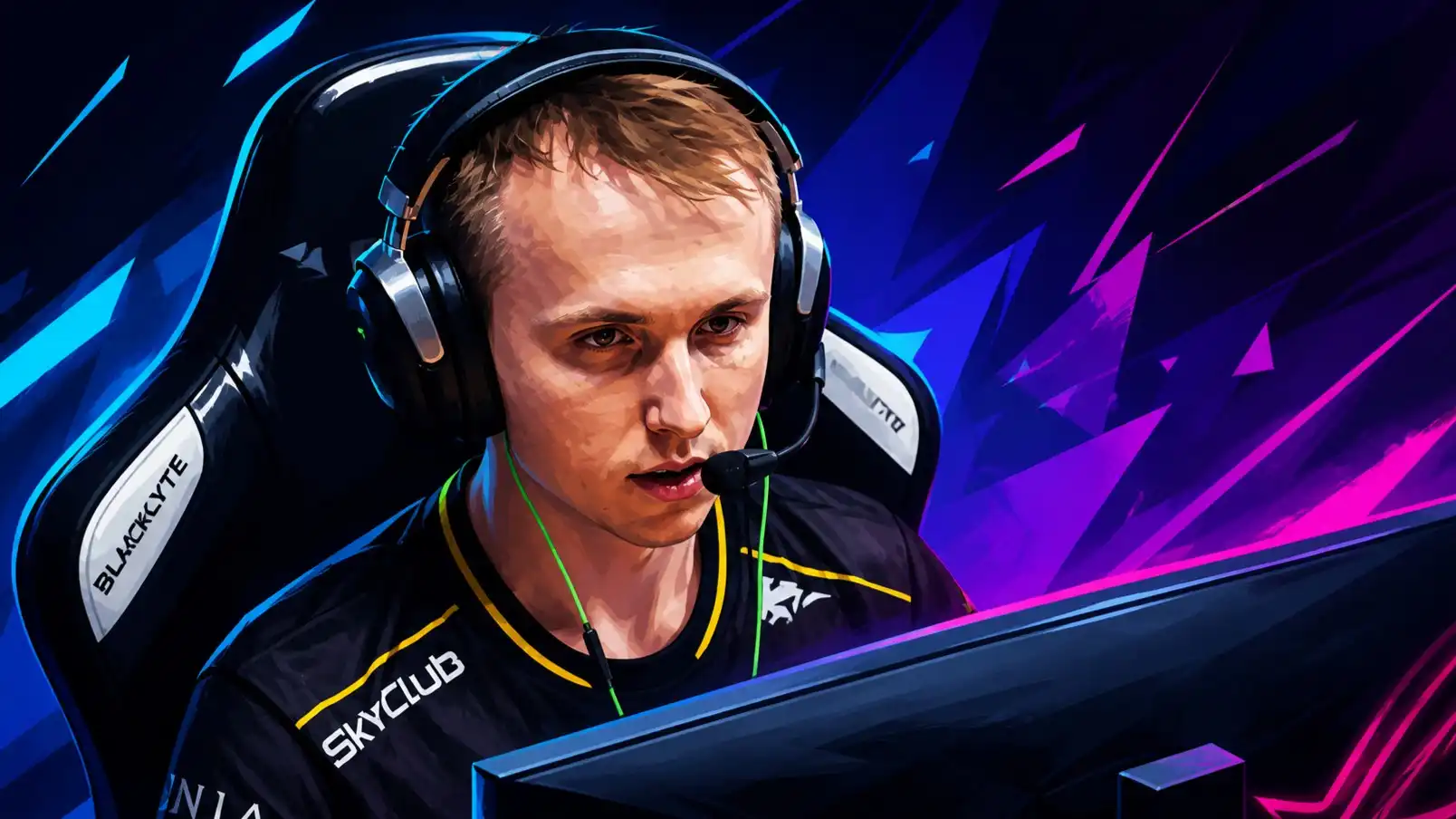

apEX: Even Vitality’s Low Level Is Enough to Beat Top Teams


Team Vitality’s in-game leader Dan “apEX” Madesclaire offered a candid assessment of his squad’s current form following their victory over PARIVISION, emphasizing that even below their peak level, the team remains capable of beating strong opposition.
Despite securing the win, apEX did not shy away from criticism of the team’s performance. He described the match as one of Vitality’s weakest showings in recent months, pointing to poor communication and a lack of cohesion between players. According to him, the team struggled with their usual structure and decision-making, which led to a disjointed display across both maps.
However, the French veteran highlighted what he believes is a defining strength of this Vitality roster: consistency at a high baseline. Even when the team is not performing at its best, their “low level” still approaches what he considers a “B-level” performance, which can be sufficient to overcome quality opponents.
This resilience has been a key factor behind Vitality’s dominance over the past year. The team is currently ranked No.1 in the world and has built a reputation for maintaining results even during off-days. Their recent track record supports apEX’s claim—Vitality entered 2026 on the back of a historic 2025 season that included multiple trophies and back-to-back Major victories, placing them among the most successful lineups in Counter-Strike history.
In 2026, the team has continued that momentum, already securing titles at IEM Kraków and PGL Cluj-Napoca, reinforcing their position at the top of the competitive scene.
Still, apEX acknowledged that such performances will not be enough going forward. With the BLAST Open Rotterdam playoffs approaching, he stressed that the team must raise its level significantly if they want to contend for another title. This aligns with broader observations from the current tournament, where several top teams have shown inconsistency, and the gap between contenders appears to be narrowing.
Addressing potential concerns about preparation, apEX dismissed the idea that recent breaks negatively impacted the team. He pointed out that Vitality has historically benefited from scheduled rest periods, even during their most successful stretches. In his view, the issue was not a lack of practice—especially considering the team had around ten days to prepare—but rather a simple off-day that can happen to any roster.
This philosophy reflects a broader approach within elite Counter-Strike teams, where balancing practice and recovery is crucial for maintaining long-term performance. Other teams, such as MOUZ, have similarly indicated that they are not always aiming to peak at every event, instead focusing on building form toward more important tournaments.
Vitality’s ability to win even when underperforming may ultimately be what separates them from their rivals. While other top teams have struggled with inconsistency—evidenced by early exits from squads like FaZe, MOUZ, and FURIA at recent events—Vitality continues to grind out results, reinforcing their status as the team to beat.
As the playoffs approach, the key question is whether Vitality can elevate their game back to the “A-level” that made them dominant in 2025. If they do, they remain clear favorites for another title. If not, their margin for error may begin to shrink as the competition grows stronger.
For now, apEX’s message is clear: even imperfect Vitality is dangerous—but to stay on top, they will need more than just a solid baseline.
Related News